By JEFFREY REYNOLDS //
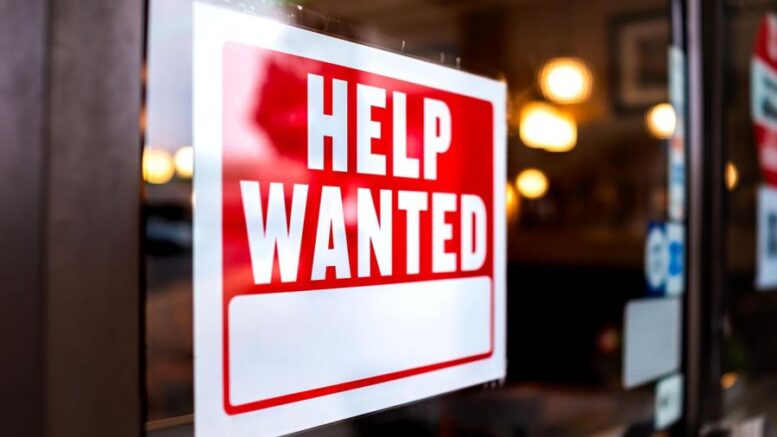
Amid a sea of bright red “help wanted” signs, grocery store checkout lines have gotten longer, because half the registers are closed.
 Dining out has become a three-hour affair, as servers service twice as many tables. And don’t even bother trying to get a home-improvement estimate these days – there’s nobody available to answer the phone.
There’s a labor crunch across America. Here on Long Island, it has folks ranting, raving and wondering aloud whether anyone wants to work anymore.
They actually do – and lured by rising wages, sign-on bonuses and other perks, our neighbors displaced during the COVID recession are returning to the workforce in big numbers.
Long Island’s unemployment rate slid from 12.9 percent in June 2020 to just 5 percent in June 2021, on its way to pre-COVID rates of about 4 percent. The national trend is similar: Coast-to-coast unemployment dropped to 5.4 percent in July, down from 14 percent in April 2020.
But if there are still 8.7 million Americans out of work, and more than 10 million job openings across the country, why isn’t the unemployment rate zero?
Conservatives and some elected officials say “government handouts” – such as enhanced unemployment benefits and tax credits, along with federal and state stimulus checks – discourage work. Though several studies have poked holes in that theory, the impending Sept. 6 cutoff of federal pandemic unemployment benefit enhancements will impact 7.5 million Americans who have been part of what’s become a successful poverty-reduction effort.
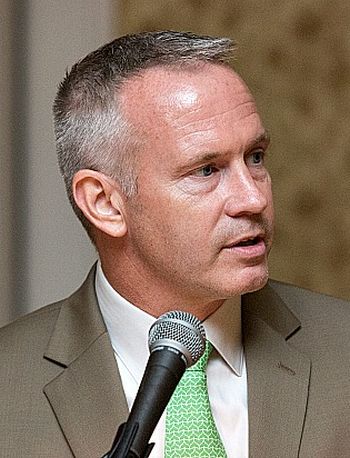
Jeffrey Reynolds: On the job.
But will losing a few hundred bucks a month force them back to work? Probably not.
Many families – and especially women – have done the math and realized that time away from the kids during their formative years just isn’t worth it, especially factoring in childcare, commutes, deli lunches, work wardrobes and other expenses.
Recently approved federal subsidies might help ameliorate the age-old affordable-childcare crisis, but the expected surge of parents returning to work as kids return to school this season probably won’t materialize, given the climb in COVID-variant cases and the possibility of short-term closures.
Like other major U.S. cities, New York has seen a dramatic rise in homelessness in the last few years. An end to the eviction moratorium will mean even more people sleeping in their cars, on the streets and in shelters. Many of those folks won’t return to work anytime soon, because successfully entering the workforce requires things the rest of us take for granted – reliable transportation, a good night’s sleep, a place to shower, clean clothes, lunch money.
People worried about contracting COVID – especially those with other health conditions – might hesitate to take a job if workforce vaccination rates are low, cases are spiking again, staff or customers are not required to wear masks or social distancing is impossible. There’s another group of folks who have deep objections to getting vaccinated and refuse to wear masks – and as larger employers begin to require both, misalignment in the labor market is inevitable.
A recent poll found that 44 percent of U.S. workers said they would consider leaving their jobs if they were forced to get vaccinated, while 38 percent of employees said they would consider leaving their current employer if the organization didn’t enact a vaccine mandate. Responding anonymously to a quick survey and actually taking the leap of quitting and finding a new job are two different things, but the division spilling into the workplace is palpable.
People want to work, just not under the same conditions as they did before. Surviving a historic pandemic has changed their priorities, preferences and perspectives. Whether they work in retail, hospitality, a warehouse or an office, they want fair wages and benefits that reflect their skills, talents, experience and the local cost of living. They want flexibility, kindness and support in the workplace, including an option to work remotely when possible.
After some stay-at-home soul-searching, they want to connect with organizations that are clear about vision, mission, values and strategy.
And perhaps most importantly, they want customers, clients, patrons, partners and supervisors who appreciate the fact that they showed up to work.
Jeffrey Reynolds is the president and CEO of the Garden City-based Family and Children’s Association.