By GREGORY ZELLER //
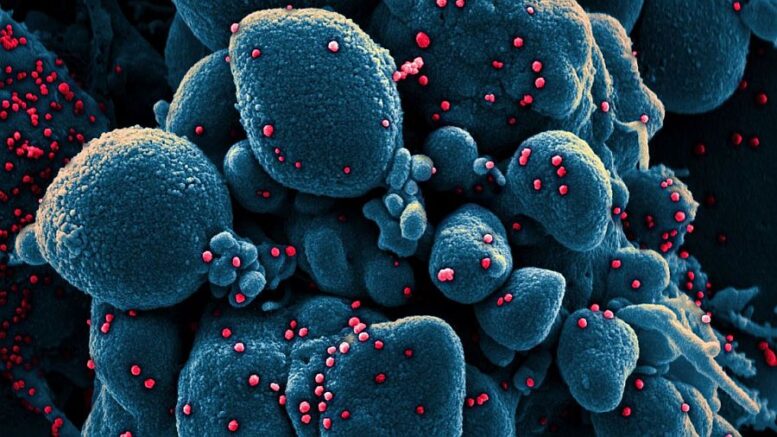
As humanity takes the upper hand in the war against COVID-19, the virus that causes the disease continues to mutate – and New York State’s largest healthcare provider is calling on a busy Long Island biotech to help track the dangerous variants.
 Northwell Health and Stony Brook-based Applied DNA Sciences have announced a pro-bono Material Transfer Agreement that will establish a real-time surveillance program for tracking and identifying mutations of the SARS-CoV-2 virus.
Applied DNA will deploy its proprietary Linea COVID-19 Assay Kit – which earlier this year proved effective in detecting the virus’ fast-moving “UK strain” – and its Selective Genomic Surveillance Mutation Panel to identify “variants of concern” as they emerge, according to a company statement.
 Northwell is currently analyzing more than 2,000 positive COVID-19 samples, with early results – roughly 360 samples – suggesting that 80 percent of specimens tested using Applied DNA’s polymerase chain reaction-based assay contain at least one mutation.
Surveillance program data will help Northwell streamline the costly and time-consuming next-generation sequencing necessary to conclusively identify specific variants of concern “and their subsequent descendants,” according to Applied DNA. The data could also influence future vaccine designs, antibody therapies and drug development.
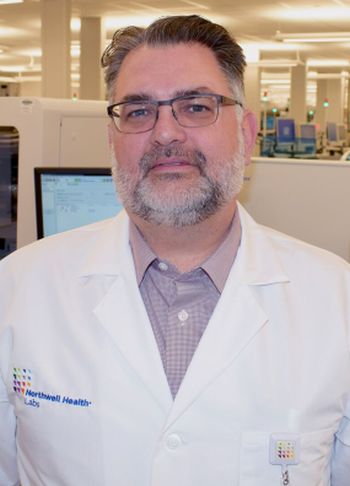
Dwayne Breining: Fast and cheap testing for dangerous mutants.
The data-generating Applied DNA assay checks off two other critical boxes, according to Dwayne Breining, executive director of Northwell Health Labs: speed and cost.
“The Applied DNA Sciences approach permits rapid and inexpensive identification of mutations that are concerning in the clinical community,” Breining said in a statement, adding that such mutations “may confer resistance to some therapies or specific antibodies.”
One interesting technicality in the Applied DNA/Northwell pro bono Material Transfer Agreement is that future drug development based on the data “may be monetized by either party,” according to the Stony Brook-based biotech, which has already announced that aggregate data obtained through the partnership “will be made available to COVID-19 vaccine or therapeutic developers.”
Tracking mutations in Northwell’s positive samples “should enable the more efficient discovery and tracking of [variants of concern] that could greatly improve the nation’s ability to track and stay ahead of the variants,” Applied DNA President and CEO James Hayward said Wednesday.
“The participation of Northwell, New York State’s largest healthcare system and among the largest in the nation, validates our approach,” Hayward added.