By GREGORY ZELLER //
Empowered by a hefty federal grant, a renowned Long Island hematologist will go head-to-head with one of the world’s nastiest disorders.
 The National Institutes of Health has awarded a $6.1 million grant to the Manhasset-based Feinstein Institutes for Medical Research, where Lionel Blanc – a professor in the Institute of Molecular Medicine and recognized leader in the study of blood and blood-based diseases – will command a new multiyear battle against red cell disorders.
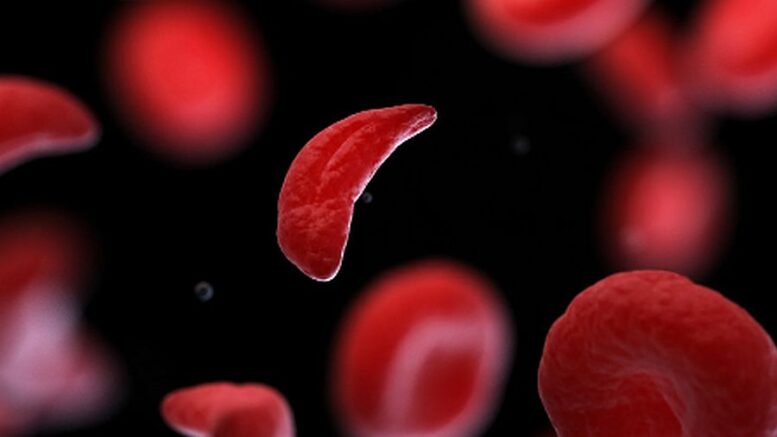
Diamond-Blackfan anemia, sickle cell disease and other red cell disorders affect either the number or function of red blood cells, which are produced in bone marrow and serve two key functions: carrying oxygen from the lungs to the rest of the body, and transporting waste – primarily carbon dioxide – to the lungs to be exhaled.
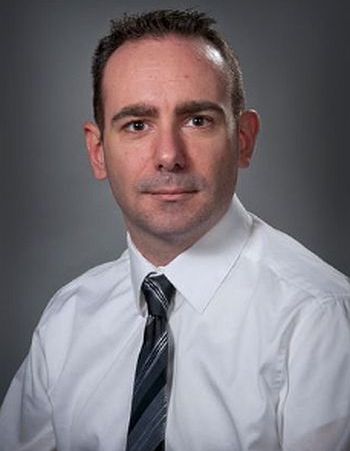
Lionel Blanc: Full-blooded.
The disorders affect more than 1 billion people around the globe, causing chronic illness and often leading to death.
Led by Blanc, the fresh seven-year research effort will build off previous Feinstein Institutes research into DBA, SCD and other forms of anemia. The new work will attempt to unravel the mysteries of erythropoiesis, the highly regulated multistep process by which the body generates mature red blood cells – specifically, what goes wrong with this process when the disorders take hold.
Understanding the development and progress of conditions like Diamond-Blackfan anemia – a lifelong anemia characterized red blood cells developmentally flawed from birth – is “essential,” Blanc noted, “given their global impact on millions.”
“This grant from the National Heart, Lung and Blood Institute will help pave the way for innovative treatments and improve the quality of life for those affected,” the hematologist added.
The new National Institutes of Health grant – which follows a $2.5 million NIH grant awarded to Blanc in 2019 to study next-generation treatments for DBA and other erythropoietic disorders – will fund three research projects.

Kevin Tracey: Complex problem, foundational research.
One will explore the “erythroblastic island,” a specialized microenvironmental compartment where mammalian “erythroblasts” proliferate. The others will study cell-cycle length regulation in fetal vs. adult erythropoiesis (red blood cells normally live about 120 days) and focus on the identification and testing of novel pharmaceutical treatments.
The science is incredibly thick, but with anemia lurking as a major global health concern – particularly for young children, adolescent girls and pregnant and postpartum women – the benefits are crystal clear, according to Feinstein Institutes President and CEO Kevin Tracey.
“Dr. Blanc’s work in uncovering the fundamental molecular mechanisms of red blood cell disorders paves a path towards novel therapeutic approaches,” Tracey said in a statement. “His translational research forms the foundation for identifying innovative treatments for complex blood disorders.”