By GREGORY ZELLER //
Mid-market executives share generally positive feelings about the nation’s economic direction – though retail leaders are less enthusiastic and post-pandemic inflation is a key concern for all, according to the results of a new, mixed-bag CEO survey.
 Overall, the results are optimistic – construction and finance CEOs are especially hopeful about the next 12 months – though rising costs and the ability to hire enough qualified talent are bright red flags for corporate leaders as the country crawls out of the COVID-19 pit.
The survey, the third conducted in 2021 by accounting giant Marcum LLP and Hofstra University’s Frank G. Zarb School of Business, queried the chief executives of 262 companies with annual revenues between $5 million and $1 billion. Roughly 90 percent rated their economic outlook 5 or higher (on a scale of 1 to 10), a significant increase over the 75 percent rating their outlook 5 or higher in a similar Marcum/Hofstra survey conducted in April.
Nearly half of respondents (about 47 percent) rated their outlook as 8 or higher, up from 33 percent earlier this spring.
But recent trends toward inflation worry those same CEOs, with two-thirds citing cost spikes – prices for lumber and steel are steadily rising – as a potential harbinger of a long-term inflationary cycle.
 “It’s clear that mid-market CEOs are taking a measured approach to this uncertain initial post-COVID period,” noted Zarb School of Business Dean Janet Lenaghan. “This latest survey shows that CEOs, like the rest of us, are feeling the same restrained optimism about what the ‘new normal’ will look like.”
Further restraining their optimism is a weak jobs report issued in April by the Federal Reserve. According to the report, the United States added only 266,000 jobs in April, about a quarter of what economists – including the Fed, the central U.S. banking system – had predicted.
The challenging employment scenario was clearly on the minds of survey respondents. While roughly 79 percent said they have hired, are planning to hire or are actively recruiting new blood, almost the same percentage – about 73 percent – said they are having or expect to have difficulty finding the right candidates.
Essentially, “the competition for talent is already outpacing supply,” according to Marcum Chairman and CEO Jeffrey Weiner.
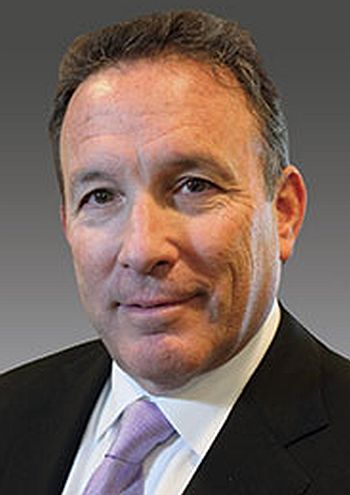
Jeffrey Weiner: If you thought hiring was difficult before the pandemic…
“Companies are moving rapidly to staff up now that the economy is beginning to reopen,” Weiner said in a statement. “This was a challenge in certain industries … even pre-pandemic.”
Now, with the nation shedding COVID’s shackles, that challenge is magnified, Weiner added.
“The federal government’s ambitious spending plans to shore up the economy and strengthen the country’s infrastructure are very likely to intensify the need for workforce in the near-term,” he said. “Wages and training are going to have to catch up with demand to ensure that industries are prepared for future growth.”
That’s not likely to sit well with the retail sector, where CEOs are already fairly pessimistic. Case in point: the measly 18 percent of retail CEOs who ranked their economic outlook as 8 or higher, a far cry from the 60 percent of construction, energy and real estate execs who did the same.
While that retail outlook is certainly a downer in what is otherwise the most positive Marcum/Hofstra report since the start of the pandemic, gauging the different perspectives of leaders in myriad industries is critical, according to Andrew Forman, the Zarb School associate professor of international business and marketing who oversaw the MBA students conducting and analyzing the survey.
“It’s one thing to learn about high-stakes business-policy decisions after the fact,” Forman said Wednesday. “It’s quite another to have the opportunity to see those decisions unfold in real time, not to mention provide information that could be useful in making those decisions.”