By GREGORY ZELLER //
The latest DNA-based advance by a progressive Long Island biotech goes where other biochemists have gone before – but also blazes a trail for new vaccination sciences.
 Vaccines against SARS-CoV-2, the virus that causes COVID-19, have been around for some time now and have turned the tide of the global pandemic. So, on the surface, the fact that Stony Brook-based Applied DNA Science’s LinearDNA-based COVID vaccine candidate reduced “infectious virus shedding” and was “protective against SARS-CoV-2” – in a challenge trial featuring ferrets – is not headline news.
Stopping COVID in this manner is not even a huge deal for Applied DNA, which has already demonstrated the ability to stop multiple SARS-CoV-2 variants in mice and cats.
But the purpose of the ferret trial was to demonstrate that LinearDNA-based vaccines – flagship products of Applied DNA spinoff LineaRX – can do the job on a grander scale, perhaps even better than mRNA- or plasmid DNA-based vaccines.
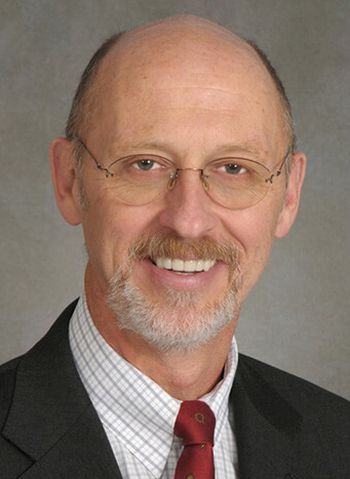
James Hayward: Challenge accepted.
Among the advantages of LinearDNA-based vaccines, according to Applied DNA Sciences President and CEO James Hayward, are faster manufacturing and the abilities to be freeze-dried and stored (temporarily) at room temperature.
“These challenge data represent a major milestone in the commercialization of our LinearDNA platform,” Hayward said. “We have proven that a PCR-produced LinearDNA vaccine can be protective against live virus and reduce viral shedding, lessening the opportunities for the disease to spread.”
This is not the first time Applied DNA has trumpeted the success of a LinearDNA-based vaccine candidate. Earlier this year, the Stony Brook biotech and Italian development partner Evvivax published a paper packed with scientific evidence validating LinearDNA-based vaccines as more cost- and time-efficient alternatives to plasmid DNA-based cancer vaccines.
And even though COVID-19 vaccinations are already well-established – “Nearly one dozen vaccine platforms against COVID-19 have been approved by the World Health Organization,” Hayward noted – only the best science will do when the next global health crisis emerges, adding criticality to the successful ferret test.
“Continued global preparedness against the next pandemic will require choosing among the best platforms based on effectiveness, versatility, stability in distribution, ease of manufacture, expense and rapidity of design against new pathogens,” Hayward said. “LinearDNA, we believe, meets these requirements while simultaneously solving many of the challenges associated with plasmid DNA.
“We are one step closer to our LinearDNA platform serving as a common denominator for the next generation of genetic medicines.”