
By GREGORY ZELLER //
Inflation? Recessions? You worry too much, according to middle-market CEOs, who are suddenly feeling better about the national business climate.
 So says the latest CEO Survey from Marcum LLP and Hofstra University’s Frank G. Zarb School of Business, which records fewer fears about a possible recession and more overall positivity among chief executives of companies with revenues between $5 million and $1 billion-plus.
That marks a sharp turn from the last Marcum-Hofstra CEO Survey, which was conducted in November and struck a notably more pessimistic tone, with cybersecurity threats and other end-of-year woes exacerbating the recession threat.
In the long-running series’ first survey of 2023 – conducted in early February and released Tuesday – only 33 percent of respondents said they were “very concerned” about a recession in the coming year, down significantly from the 47 percent who were “very concerned” in the last survey of 2022.
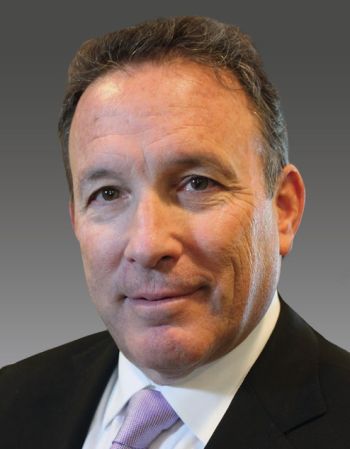
Jeffrey Weiner: Half-full.
There were also more executives reporting positive overall business outlooks (84 percent, up from 80 percent in November), with CEOs expressing the most optimism in food & beverage, hospitality and technology industries.
Marcum Chairman and Chief Executive Officer Jeffrey Weiner applauded the change in demeanor among mid-market CEOs.
“The overall optimism we see in this survey is very encouraging,” Weiner said Tuesday.
The survey, in which Hofstra MBA students questioned 265 CEOs, was not all rose-colored chutzpah. While fewer respondents were “very concerned” about a possible recession, the percentage of CEOs who are “somewhat concerned” about a recession shot to 54 percent, jumping from 43 percent in November.
And CEOs in the economically critical construction industries didn’t share in the general optimism, with only 25 percent of construction leaders expressing highest confidence.
Meanwhile, nearly 60 percent of all respondents noted increasing customer demands for quicker responses, customized services and more, shaped by a perfect storm of technological improvements, market volatility and spiraling asset anxiety.
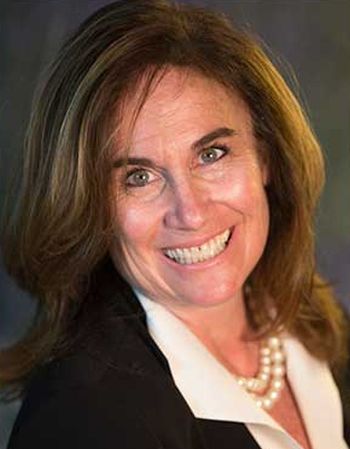
Janet Lenaghan: Tough enough.
“Now that the pandemic economy is behind us and companies have resumed full operation, CEOs are challenged to meet higher expectations from customers,” Weiner noted, while those customers are “working hard to make up lost ground, while continuing to reinvest in the business.”
The survey also queried CEOs on critical topics including succession planning and the use of artificial intelligence in company operations, creating a mixed bag of responses.
Succession plans are in place at 79 percent of respondent companies, but only 45 percent of CEOs are “very confident” they will work. And only a quarter of CEOs surveyed indicated their companies had incorporated AI tools, though nearly half said they were looking into it, and only 10 percent said they couldn’t envision AI eventually factoring in.
If the latest survey shows anything, according to Zarb School of Business Dean Janet Lenaghan, it’s that ‘the pressure of the pandemic has abated,” only to be supplanted by new concerns – and perhaps a realization that some companies and executives are tougher than they themselves thought.
“There are new forces to contend with,” the dean said. “I think the uptick in CEO optimism is a reflection not only of their feelings about the economy, but their confidence in their own ability to be flexibility and meet the moment.
“(That’s) something they had to learn to get through COVID-19.”