By GREGORY ZELLER //
Social studies continue to paint bleak portraits of Long Island’s mental health landscape.
 Just one week after Stony Brook Medicine’s Long Island LGBTQ+ Community Health Needs Survey revealed severe shortfalls in mental healthcare resources for regional LGBTQ+ communities, the latest Mount Sinai South Nassau Truth in Medicine Poll spotlights what Mount Sinai South Nassau Hospital President Adhi Sharma called “a crisis on Long Island” – a documented spike in depression, anxiety and related cases, compounded by a scarcity of qualified mental health providers, even for patients with substantial health insurance.
More than one-third of Long Islanders who seek mental health services find securing the right provider “challenging,” although more than 90 percent of them “had health insurance to cover most of the cost,” according to the poll, sponsored by Bethpage Federal Credit Union and released this week by the Oceanside-based flagship of the New York City-based Mount Sinai Health System.
Scheduling capacity (many maxed-out providers are turning away new patients), proximity of providers and affordability issues were the most frequently cited challenges.
A significant percentage of poll respondents also noted that government and educational institutions could do more to increase the scope of community-based mental health services; 46 percent said government doesn’t do enough in this regard, while only 32 percent said it does.
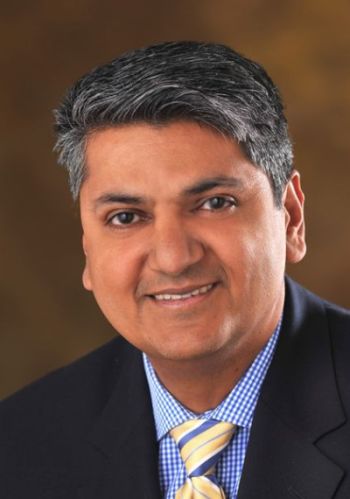
Adhi Sharma: “Crisis” management.
The struggle for services comes as social isolation, lingering pandemic fears, economic stresses and a host of other socioeconomic factors induce an overload of emotional turmoil. According to Mount Sinai South Nassau, since the start of the pandemic in 2020, 84 percent of mental health providers report an increase in demand for anxiety treatment and 72 percent report an increase in demand for depression treatment.
Other key takeaways from the poll of 600 Long Island residents – conducted in July by landline and cell phone, with a sampling error of 3.9 percent – include 36 of respondents who say Island mental health services are satisfactory, 29 percent who say they’re not and 35 percent who are unsure.
Roughly 20 percent of respondents said they did not know where to find services in the event of a mental health emergency, while another 17 percent said they were unsure.
And 89 percent of all respondents – along with 97 percent of respondents who’ve utilized mental health services since the pandemic began – said mental health should be prioritized by hospitals, right alongside cancer and heart health.
The mental health poll is the second Truth in Medicine poll of 2022 (following a January study of government responses to COVID-19) and the 16th in Mount Sinai South Nassau’s Truth in Medicine series, which dates back to 2017.
The latest survey ultimately represents a perfect “crisis” cocktail, according to Sharma, who laments a “lack of mental-health services” plaguing Nassau and Suffolk.
“The poll results strongly indicate that providers are working at or beyond capacity,” the Mount Sinai South Nassau president added. “This calls for an aggressive expansion of mental-health screening, prevention and intervention services to meet the present and future demand.”