
By GREGORY ZELLER //
Farmingdale pharmaceutical firm DepYmed is no stranger to capital investments – but a new infusion might be enough to push the rare-disease innovator over the commercialization line.
 DepYmed, launched in 2014 by Cold Spring Harbor Laboratory and New York City-based development-stage biotech Ohr Pharmaceutical, is cooking up enzyme inhibitors and other novel therapeutics for HER2-positive breast cancer and a host of confounding diseases.
Developing ever-more-potent protein tyrosine phosphatase 1B inhibitors, selective copper chelators and other small-molecule therapeutic candidates is difficult and expensive science. Fortunately, DepYmed has never lacked for VC interest, with Accelerate Long Island, the kinda, sorta still out there Long Island Emerging Technologies Fund and Topspin Fund LP – thriving branch of Mamaroneck-based Topspin Consumer Partners – leading all bidders.
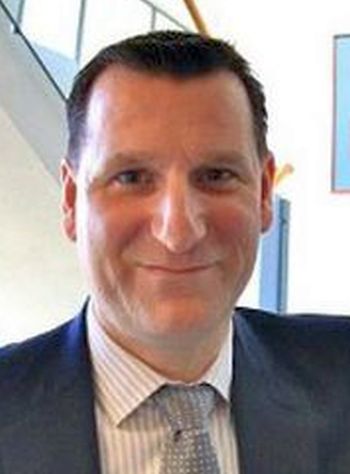
Andreas Grill: Milestone moment.
The various funding rounds have fueled research and experimentation headed by DepYmed scientific cofounder and CSHL Professor Nicholas Tonks, the oft-awarded, oft-published deputy director of operations at the CSHL Cancer Center. Now, a juicy new stake from the Topspin Fund and other investors is moving the ball again – this time, putting human clinical trials within reach.
Announced earlier this month, the $8.3 million infusion will “provide capital to complete preclinical development” of its leading product candidates, DepYmed said in a statement, with Phase 1 clinical trials slated to start “within the next year.”
The capital boost will also allow the fledgling pharma to expand its management team. Currently, it’s a team of one: Only President and CEO Andreas Grill – backed by an impressive, multitalented and not-officially-executive Board of Directors – occupies DepYmed’s C suite.
But that’s about to change, with Grill noting “a major milestone” in DepYmed’s efforts to bring unprecedented rare-disease therapies to market.
“This new financing … will allow us to move our lead programs forward to the point where they are ready for first-in-human clinical trials,” the CEO said. “We have successfully developed an exciting new generation of first-in-class orally bioavailable PTP1B inhibitors with clear potential to improve treatment in a very wide range of diseases.”
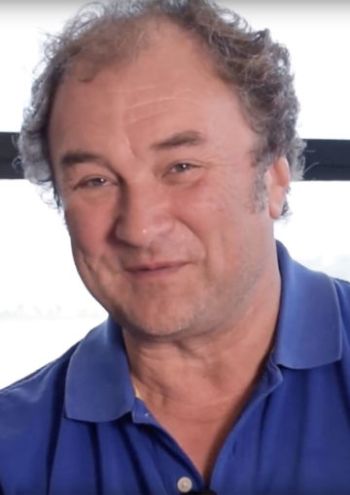
Nicholas Tonks: Less-than-instant gratification.
That includes rare genetic neurological disorders like Rett syndrome and Wilson disease, with an entire pipeline of early-stage PTP1B enzyme inhibitors – targeting metabolic disorders, nervous-system diseases and other cancers – in development at CSHL.
Tonks – who announced in 2014 that PTP1B inhibitor Trodusquemine was a viable HER2-positive breast cancer therapeutic candidate – said the years of painstaking research and lab work have resulted in enzyme-inhibitor formulations that “have all the properties to make them attractive potential medicines.”
“Although I originally discovered PTP1B some time ago, we have now developed the first orally bioavailable inhibitors,” the biochemist added. “As a research scientist, nothing is more gratifying than to see your discoveries realize their potential to treat human disease.”
And as an investor, nothing is more important than knowing a good thing when you see it, according to Topspin Fund partner Leo Guthart, a member of DepYmed’s august Board of Directors.
“Topspin has been privileged to be involved with several technologies that have progressed into clinical trials and ultimately approved for clinical use,” Guthart said in a statement. “We believe that opportunities with the potential to benefit the treatment of human disease, such as presented by DepYmed, are rare.”