By JACI CLEMENT //
Two cases. One topic: Accountability.
 The landmark settlement with Meta – reached without Meta admitting wrongdoing – has the Internet on fire, and rightly so. Meta agreed to pay up to $18 billion, and make significant changes to Facebook and Instagram, to settle claims that it designed its platforms to keep children hooked and misled the public about the risks.
The headlines are all about the money, but the real story is how Meta agreed to changes underneath its hood.
Besides, the $18 billion part? Not so huge, when you do the math. The maximum settlement sounds staggering until you put it against Meta’s size. Spread across 10 years, the annual cost amounts to less than 1 percent of Meta’s nearly $201 billion in 2025 revenue. That’s why being forced to change the product is the real issue.

Jaci Clement: Taking account.
And the bigger picture? Wall Street’s response to the settlement added to Meta’s value that day. Which means $18 billion may simply make Menlo Park home to the most expensive PR campaign in history.
The changes to Meta’s social platforms include limits on how long minors can use them, nighttime restrictions, limits on school-hour notifications, stronger age verification, parental controls and options to escape algorithmically generated feeds.
That is monumental. But it also exposes the weakness: These restrictions only apply to Meta.
A teenager who hits a limit on Instagram can simply move to TikTok, YouTube or somewhere else. Meta acknowledges the changes will have limited effect unless other platforms follow suit.
And then there’s X.
It just got bounced out of court for its attempt to overturn New York’s Stop Hiding Hate Act, which requires large social media companies to disclose how they monitor and handle hate speech, extremism, harassment, disinformation or misinformation, and foreign political interference.
X argued that forcing it to make those disclosures violated the First Amendment. The court disagreed, ruling that the state was requiring factual disclosures about X’s practices – not dictating what X must say or what content it must allow or remove.
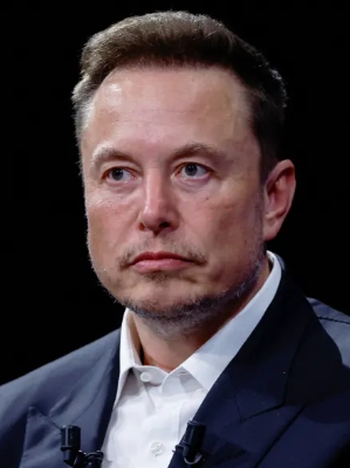
Elon Musk: Disclosure day.
Put the two developments together and something important is happening.
Meta is being forced to change some of what it does. X is being forced to tell the public more about what it does.
Accountability is finally arriving on the shores of platforms that, despite their enormous influence over public discourse, have operated without many of the transparency obligations long familiar to traditional media, particularly broadcasters.
Even with these changes, it’s nowhere near a level playing field. But it’s a start.
The next test isn’t whether Meta pays or X discloses – it’s whether this pressure produces comparable changes at YouTube, TikTok and Snapchat, and whether other states follow New York’s lead on disclosure laws. That’s what decision-makers in this space should be watching next.
And the part about being able to escape the algorithms? That option should not be limited to children.
Jaci Clement is the CEO and executive director of the Fair Media Council. This article was originally published by the Fair Media Council and republished with permission.