By MICHAEL H. SAHN //
Artificial intelligence is turning the entertainment industry upside down.
 Platforms like Sora and Anthropic have blurred the lines between real performers and AI-created imposters. Renowned performers – including Long Island greats like Billy Joel, Mariah Carey and Joan Jett, and even the estates of deceased LI legends such as Harry Chapin, John Coltrane and MF Doom – must beware.
Without new legal protections, they may not profit from their work for much longer, even if they retain Rights of Publicity.
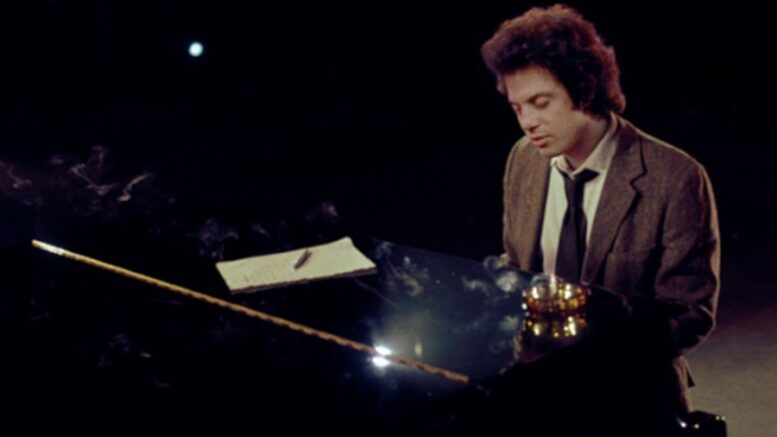
Artificial intelligence can instantly create a video of a fake Piano Man singing a song he never actually sung, or change the genre of Mariah Carey’s “All I Want for Christmas is You” to look and sound eerily similar to the real thing, but different.
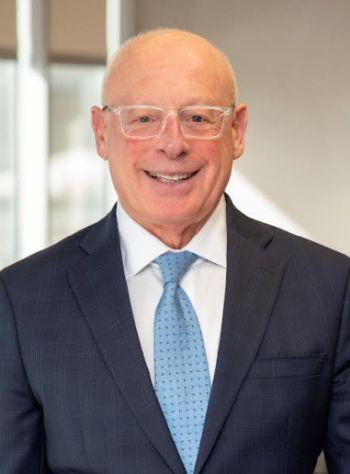
Michael Sahn: Genuine article.
Music featuring imposters and deepfake voice clones of famous performers – including a fake posthumous album by British American rapper MF Doom – has become a billion-dollar industry.
Consider Sora 2, launched last month by Open AI (now the world’s most valuable private company).
Sora 2 allows users to generate realistic faux videos (with audio) from a simple text prompt and share their creations via social media. It has garnered global interest and spurred worldwide outrage, even prompting a formal request by the Japanese government for Open AI to refrain from copyright infringement.
These AI uses have broad legal implications. The Motion Picture Association of America has criticized Sora 2 and warned that it’s Open AI’s responsibility to prevent infringement of performers’ rights.
Leading Hollywood talent agency CAA put a finer point on it, suggesting Sora “[poses] serious and harmful risk to individuals, businesses and societies globally.”
A 2024 study by French performing rights organization Confédération Internationale des Sociétés d’Auteurs et Compositeurs estimates that generative AI could cause music creators to lose $11.6 billion in revenue over the next five years (an approximately 24 percent loss) with similar losses across the film and TV industries.
New York State lawmakers are attempting to safeguard performers’ rights from these AI advancements. Various artists and organizations are also launching lawsuits against AI developers to prevent them from appropriating artists without their consent. And there’s a growing movement pushing for a federal Right of Publicity to protect the name, image and likeness of performers from unauthorized commercial use.
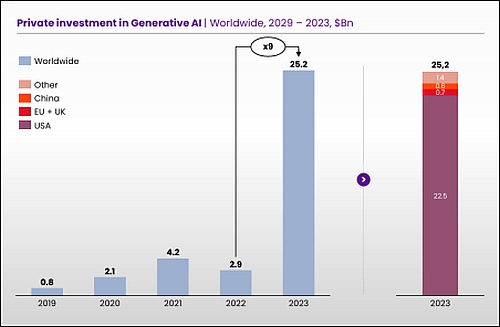
Generating investments: Private investment in generative AI has spiked since 2019. (Source: CISAC/PMP Strategy/Stanford University)
But for now, individual states are taking the lead to protect these rights. With some exceptions, recently adopted New York Civil Rights Law §50-f creates liability for people who use a performer’s “digital replica” without consent, if that use is likely to deceive the public into thinking it was authorized.
Most recently, New York’s Digital Replicas Law, which took effect on Jan. 1, protects artists from getting replaced with a “digital replica” by their own employers, agents and other business partners. Under this law, a contract provision that allows for a replica to create a “new” performance would be deemed void unless the performer gets certain protections.
Mirroring actions in New York, Tennessee has created the ELVIS Act, while California has also emerged as a leader in protecting the Right of Publicity and regulating digital replicas. Tennessee’s law actually goes a step further, creating liability for the creator of a software whose primary purpose is the production of unauthorized digital replicas.
A major litigation invoking the Right of Publicity is Lehrman v. Lovo, in which New York-based voice actors allege that free AI-powered voice generator Lovo deceptively hired them and used their voice recordings specifically to sell unauthorized AI “clones” of their voices.
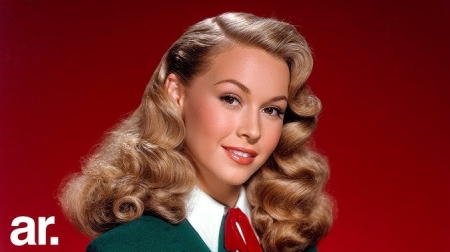
All I want for Christmas is (the real) you: When did Mariah Carey record a Motown version of her smash holiday hit? She didn’t.
This is one of the first major cases to discuss where New York’s civil rights law draws the line on protecting a person’s voice. When decided, it’s expected to have major effects on the entertainment industry.
Ironically, some artists have used AI tools to further their creative vision, such as the official music video released with Billy Joel’s 2024 song “Turn the Lights Back On.” The video utilized AI technology to create digital replicas of Joel’s younger self.
While artists themselves can use AI for their own creative work, they still need protection from others who could use AI to create imposters and infringe on their rights. This emerging area of law needs innovative solutions to protect creative talent, lest we become subject to “culture by clone.”
Given the competing interests, solutions seem murky – just like AI-generated fakes. No doubt, it will take a creative and collaborative approach to balance artistic and legal rights against AI’s monstrous commercial enterprise.
Michael H. Sahn, Esq., is the managing member of Uniondale law firm Sahn Ward Braff Coschignano PLLC, where he concentrates on zoning and land-use planning, real estate law and transactions, and corporate, municipal and environmental law. He also represents the firm’s clients in civil litigation and appeals.