By DAVID PENNETTA //
Everything in commercial real estate costs more right now – construction, energy, financing, and now add insurance to the list.
 Consumers are hesitant to accept these additional costs, even if there are valid reasons for insurers and others to raise prices. For one thing, there seem to be more historic weather catastrophes than ever. And much of Long Island’s commercial construction dates to the 1980s, 1970s and 1960s, so everything from old wiring to lead paint to asbestos tiles runs up the damages and the insurance claims.
Rising insurance costs in all sectors are dramatically increasing occupancy costs for all real estate tranches. And these costs are killing real estate transactions – especially on the development side, where most costs are projections.
Each dollar put toward insurance coverage has a negative effect on net operating income. And with some policies going up by millions of dollars, that’s the difference between a cash-flowing property and a property headed toward foreclosure.
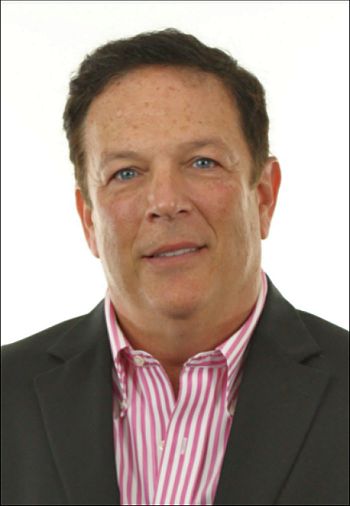
David Pennetta: Cut costs or lose businesses.
According to the Ivans Index, average premium-renewal rate changes are rising fast, and natural catastrophic losses – last month’s devastating fires in Hawaii, for instance, or recent severe thunderstorms across the United States, blamed for $34 billion in insured losses over the first six months of 2023 – are a main contributor.
Premiums in markets especially hard-hit by floods and fires climbed by 18.3 percent in Q2 2023, ranking insurance among the highest of typical line-item expenses for running a commercial property.
In other cases, hard markets have resulted not from mounting losses, but from losses in insurers’ investment portfolios, which typically include huge amounts of real estate with their stocks and bonds.
And well-capitalized insurers and reinsurers are growing more conservative, choosing to reduce line sizes and/or exit certain market segments to de-risk their balance sheets. Clients in states with stricter policies – including New York – are seeing worse effects, especially effects on subsidized housing.
The insurance dilemma is forcing real estate owners to reassess risks in their buildings and implement new and more appropriate protocols. For example, real estate is in the cloud now more than ever, and cybersecurity insurance requires certain protocols to reduce the occurrence of attacks (and insurance claims).

Marvin Rosen: The replacements.
Landlords are now paying special attention to parking areas, walkways and common areas, all in an effort to reduce premiums. Decisions to remove known environmental hazards like asbestos – instead of abating or encapsulating them – increase safety.
Instead of forestalling tragedy by patching up the failing roof, landlords are considering the consequences of higher premiums – and the real risk of becoming uninsurable, if they neglect issues within their control.
“Commercial property owners are looking to captives as a way to mitigate the cost of their insurance risk,” says Insurance Advisor Marvin Rosen of New Hyde Park-based Rampart Insurance Services “Structural difficulties still exist where commercial office has a fair market value of $150 per square foot, while the replacement cost is $400 per square foot.
“Your premium is tied to replacement cost,” Rosen adds. “Not what you can get in today’s market.”
As insurance and other costs of doing business continue to rise, we will undoubtedly see upward swings in commercial rents. Against these ongoing challenges, one thing is clear: We must find new ways to curb some risks and slow the escalation of some costs, if we want to keep the businesses that now call Long Island home.
David Pennetta is executive managing director of Cushman & Wakefield’s Long Island office and co-president of the Commercial Industrial Brokers Society of Long Island.