By JEFFREY REYNOLDS //
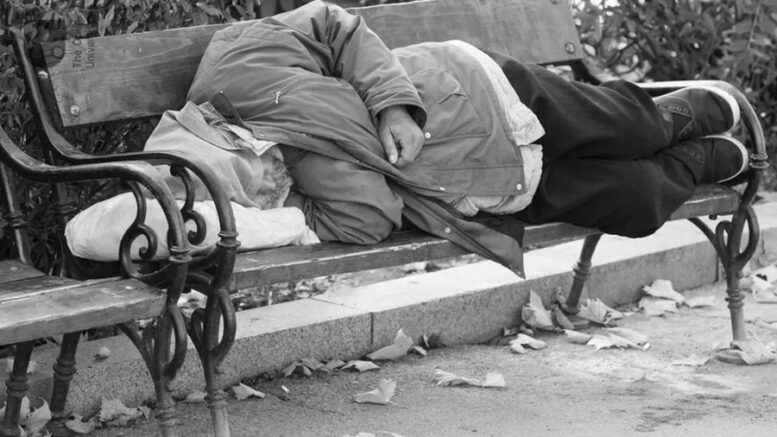
More than 60,000 New Yorkers show up at city homeless shelters every night. Another 3,400 choose the subways instead, or the streets.
 Holiday visitors to the Big Apple would likely agree the numbers seem a lot larger than in years past, and the unsheltered seem to be a lot sicker. That’s why New York City Mayor Eric Adams, responding to immense community and political pressures following multiple high-profile subway crimes, recently directly the NYPD, emergency medical professionals and outreach teams to begin hospitalizing people deemed too mentally ill to care for themselves – even if they pose no immediate threat.
Mental-health advocates quickly filed a lawsuit to halt the plan, but there’s a bigger problem: New York’s hospital emergency rooms and psychiatric units are already bursting at the seams. According to the American Psychiatric Association, the elimination of hundreds of thousands of inpatient beds over the last 40 years has left communities across nation unable to care for the acutely ill.
To make matters worse, about 400 of the city’s 2,640 psychiatric beds – roughly 15 percent – are reportedly offline, with providers citing a combination of COVID, nursing shortages and construction issues.
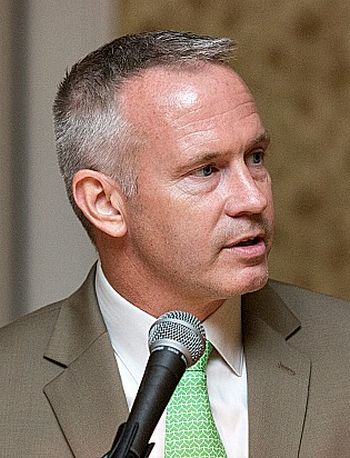
Jeffrey Reynolds: Shelter drill.
As a result, those sick enough to be admitted will likely be ushered out prematurely to make room for returning patients who were discharged last week, before they could be stabilized on a new medication regimen or given the necessary follow-up services.
The disoriented, delusional folks who were restrained and wrestled into the back of police vans will be escorted right back out of crowded, chaotic hospitals – angrier, sicker, more traumatized and back on the streets, all at taxpayer expense.
There are no easy answers. But surely New York City can do better.
First, the city can make existing homeless shelters safer so people will actually use them. Take the wise advice of New York State Comptroller Tom DiNapoli and put those assessed with mental-health disorders or dangerous addictions into specialized shelters with appropriate care. And make sure families, women and seniors are placed at shelters that address their specific needs.
Better yet, add on-site mental-health care to the entire homeless shelter system. Given that mental illness and alcoholism are far more prevalent among the chronically homeless than the general population, this is a no-brainer. And yet, according to the NYC-based Coalition for Behavioral Health, only 71 of 554 city homeless shelters have on-site mental-health services – including only one of 55 domestic violence shelters.
New York City should leverage the historic availability of federal mental-health funds to expand mobile crisis teams in the five boroughs, create community-stabilization centers – alternatives to emergency rooms – and scale-up outpatient clinics. That will help, until evidence-based treatment is available round-the-clock to everyone who needs it.
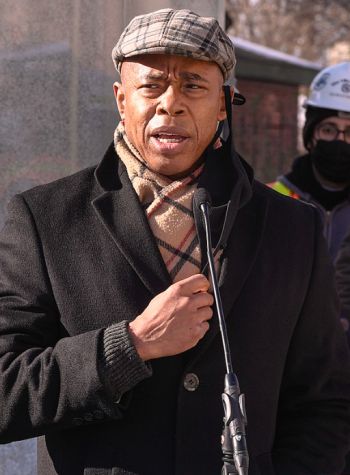
Moral mayor: But Adams may be missing the mark on homelessness.
And every region of New York needs more inpatient beds where patients can get compassionate, cutting-edge psychiatric care, psychosocial support and rehabilitation services that will alter their trajectory for the better.
The current crisis in Manhattan and every other major metropolitan area can’t be blamed solely on COVID or bail reform or even the current drug epidemic.
That untreated sick people with nowhere else to go are causing chaos is a direct result of a decades-long failure of elected officials to design, develop and adequately fund services that will end homelessness, effectively treat mental illness, and eradicate the persistent economic and health disparities that plague Black and LatinX New Yorkers, who are disproportionately represented in NYC’s homeless population.
If Mayor Adams wants to meet a moral mandate, offer New York’s homeless people the two things they need most: supportive housing and healthcare. Most will leave the streets without a fight.
Jeffrey Reynolds is the president and CEO of the Garden City-based Family and Children’s Association.