By TERRY LYNAM //
Finally, after more than 14 months of heartache, isolation and economic fallout from the worst pandemic in our lifetime, we’re returning – ever so slowly – to some sense of normalcy, with the relaxing of masking guidelines and other restrictions.
 Recognizing that apprehension still exists – many people are hesitant to shed their masks out in public or otherwise return to their pre-pandemic routines – the question facing employers, business owners and consumers across Long Island and elsewhere is, “Where do we go from here?”
The transition into this post-COVID era puts the onus on leaders, who must adapt their organizations to this new business climate and figure out how to better serve their employees and customers.
One challenge many of us dealt with over the past year was the shift to remote-work environments. Without question, the heroes of the past year were the frontline workers who cared for the sick, preserved our safety, kept the trains and planes and assembly lines running, and kept the restaurants, supermarkets and other essential businesses open. But millions of us were deemed “non-essential” workers, even in a people-focused business like healthcare – Northwell Health, Long Island’s largest employer, still has more than 10,000 employees working from home.
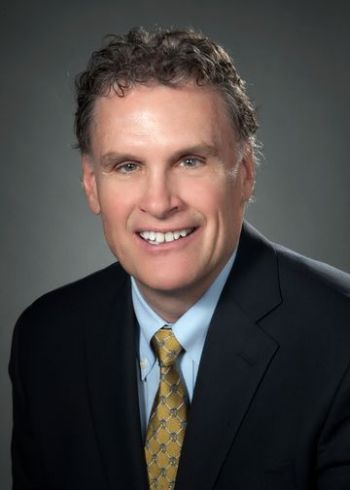
Terry Lynam: As the pandemic wanes, business challenges only get harder.
In the past, there was a perception among many – me included – that remote workers were less productive than traditional office workers. Thanks to technology advancements, the past year defied that assumption. And now that the COVID vaccines have greatly reduced the risk of new infections, business leaders face tough decisions about which employees should return to the workplace, and when. These decisions will have major ramifications on each organization’s culture, communications, real estate strategy and day-to-day operations.
The pandemic forced most employers to adapt quickly and find innovative ways to meet constituent demands and expectations. Healthcare delivery, for instance, has likely been permanently altered by the widespread adoption of telehealth and telemedicine.
Sure, the sickest of the sick continue to require hospitalization. But for most of last year, a majority of physician’s offices and outpatient practices were closed, and clinicians were largely assessing patients through video and phone consultations.
In March 2020, New York followed the lead of the National Centers for Medicare and Medicaid Services and declared that insurance plans should pay for telehealth visits at the same rate as in-person consultations (before then, Medicare, Medicaid and commercial insurers balked at reimbursing for telehealth visits, even though providers like Northwell Health had been offering virtual consultations for years).
Since that emergency declaration, Northwell caregivers have conducted well over half-a-million remote patient visits, including more than 369,000 video consultations. Nothing can ever take the place of in-person, face-to-face interactions with patients, but remote consultations have been a good alternative for those needing ongoing care for chronic medical issues.
As we move beyond the pandemic, continuing the remote-visit option is clearly an expectation of many patients, who prefer the convenience of a virtual consultation from the comfort of home.
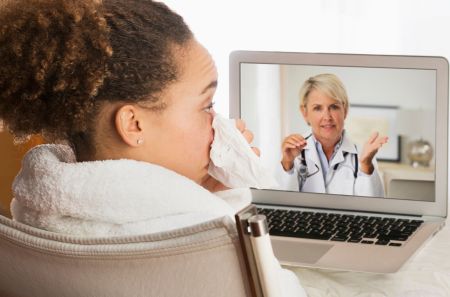
Permanent link: A literal lifesaver throughout the pandemic, telemedicine is here to stay.
Many other organizations are also expected to shift to a hybrid model, bringing some workers back to the office and resuming some in-person services, but also leaning heavily on remote interactions with employees and even customers.
This workplace transformation will have enormous consequences. Chief among them are effects on the commercial real estate market. With fewer workers coming into the office, will businesses still need all the square footage they’ve been leasing? And how will employers preserve their culture – their mission, vision and values – and continue to bring out the best in their people if fewer of them are physically present?
In the coming months, the work that businesses put in to restore, strengthen and revitalize their culture will go a long way toward shaping their long-term image and reputation, both inside and outside the organization.
The misery of the pandemic may be behind us, but the transition into this post-COVID era poses a whole new set of business challenges that may actually be more difficult than those faced over the past year. Given the way the business world has changed, “the leader who does not reimagine their organizations will be left behind,” according to Northwell Health CEO Michael Dowling.
“Leadership, in many ways, is about continuous adaptability and resilience,” Dowling says. “It is about managing the present, selectively forgetting the past and creating the future.
“And we have to create a future based on decency, honesty, unity and community.”
Terry Lynam is a communications consultant and former senior vice president/chief public relations officer for Northwell Health.