By RICHARD BARAKAT //
It used to be that health statistics were something that only academics, medical researchers and clinicians cared about. Now they’re a key part of the daily news – and, of course, those numbers have told a grim story, with COVID-19 case counts rising from just a handful a year ago past 100 million globally.
 So, it’s nice to get some positive numbers for once, thanks to recent statistics on cancer, the nation’s second-biggest killer. According to the American Cancer Society, the death rate from cancer declined more last year than in any year previously. Even better, the drop is just the latest in a downward trend underway since 1991.
The numbers are impressive. Cancer mortality dove 2.4 percent in 2020, and has fallen more than 30 percent since its peak about 30 years ago. That translates into 3.2 million saved lives in that time, the ACS estimates.
One big reason is that so many people have stopped smoking. Everyone knows about the link between smoking and lung cancer – not so widely recognized is that tobacco use also raises the risk of at least 13 other cancers and is likely involved in 40 percent of all cancers diagnosed in the United States.
There have also been amazing advances in our ability to detect and treat cancer. We can now genetically profile a tumor and provide a treatment that targets its specific vulnerabilities, offering a much greater chance of cure. Immune checkpoint inhibitors for lung cancer, for instance, have driven down the mortality rate faster than anyone could have hoped.

Richard Barakat: Room for improvement.
As a cancer specialist, I also see how much further we can go. The fact is, we can do more to cut the death rate from cancer – and it doesn’t even require more scientific breakthroughs, though hopefully researchers will come up with some.
The numbers in the new report indicate three simple steps people can take to reduce their cancer risk. Some won’t apply to every reader, but if we as a country put them all into effect, the next state-of-the-nation report from the American Cancer Society will bring even better news.
Watch your weight: We’ve all heard that America is getting heavier (42 percent of us qualify as obese), but you may not know obesity is a cancer risk. Excess weight is one reason the incidence of endometrial cancer (cancer of the uterine lining) has tripled over the past few decades, for instance. That’s because uterine cancer risk goes up with estrogen levels, and fat cells actually convert other hormones into estrogen.
Obesity also increases the risk of postmenopausal breast cancer for women and prostate cancer for men – and cancer of the liver, pancreas and colon for both sexes. Avoiding weight gain, or dropping a few pounds through small changes like drinking fizzy water instead of soda and snacking on carrots instead of crackers, can make a big difference to your odds of staying out of the oncologist’s office.
Vaccinate: No one thinks of cancer as an infectious disease, but cervical cancer is almost entirely caused by a virus that can be prevented by vaccine: human papillomavirus, or HPV.
So, it’s a special tragedy that cervical cancer is currently the second-leading cause of death for women ages 20 to 39. We could wipe this cancer out in a matter of years if all parents made sure their children, both girls and boys, got two doses of the HPV vaccine at age 11 or 12, as recommended by the CDC.
That simple move would also cut down on head and neck cancers, many of which are linked to HPV.
Get screened: As a cancer specialist, I worry that COVID-19 may cause secondary damage that reverberates for years by scaring people out of getting their routine cancer screenings. The NCI has indicated that they expect an additional 10,000 deaths from breast and colon cancer over the next decade because people are putting off getting mammograms, colonoscopy and other screening tests.
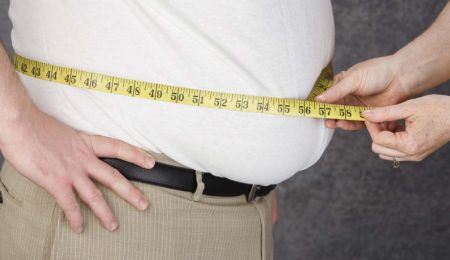
Fat chance: Obesity remains a leading factor in many cancer cases.
There’s good reason for that concern. Researchers at Dana-Farber/Brigham and Women’s Cancer Center recently reported that cancer screenings at those institutions fell 75 percent during the first surge of COVID-19 cases, compared to the same period the previous year.
It’s great that people are staying home to avoid coronavirus exposure, but medical care is one thing you should not avoid. Medical offices have implemented extensive infection controls to ensure that it’s safe to get the tests and treatments you need. If you’ve missed a scheduled cancer screening, take the time today to make that appointment.
For the scientific community, it’s particularly important to reduce the racial and socioeconomic disparities in care that are still painfully evident. That’s why Northwell Health is taking steps to improve access to care through new resources like our planned cancer center in Queens, which will offer residents cutting-edge treatments and the ability to participate in cancer trials without leaving their neighborhood.
Of course, we continue to focus on research we believe will yield improvements in cancer treatment and prevention. But ultimately, the most powerful way to cut cancer mortality is by pushing forward on all fronts: scientists identifying and refining advances, clinicians optimizing care and individuals taking simple steps to reduce their chances of developing the disease.
Richard Barakat is physician-in-chief and director of cancer at the Northwell Health Cancer Institute.