By MATTHEW COHEN //
Long Island has always been at the forefront of innovation. Updating our recycling infrastructure, and embracing cutting-edge solutions, should be no different.
 At the tail end of this year’s legislative session in Albany, lawmakers considered the Packaging Reduction and Recycling Infrastructure Act, a proposal that would have dramatically altered how we treat waste disposal. Although reducing waste from products and packaging is an important goal, the bill as written would have had dire consequences for businesses and consumers – and it failed to embrace innovation.
With this in mind, the New York State Assembly should be commended for deciding not to vote on the Packaging Reduction and Recycling Infrastructure Act and, instead, continuing to study the issue. Allowing more stakeholders and experts to weigh in is a win for New Yorkers, local businesses, innovation and the Long Island economy.
The proposed legislation imposed packing-reduction regulations and new recycled content standards for metal, plastic, glass, paper, cardboard and multi-material packaging. At the heart of the bill, it would make manufacturers and businesses financially responsible for disposal and recycling – known as “extended producer responsibility.”

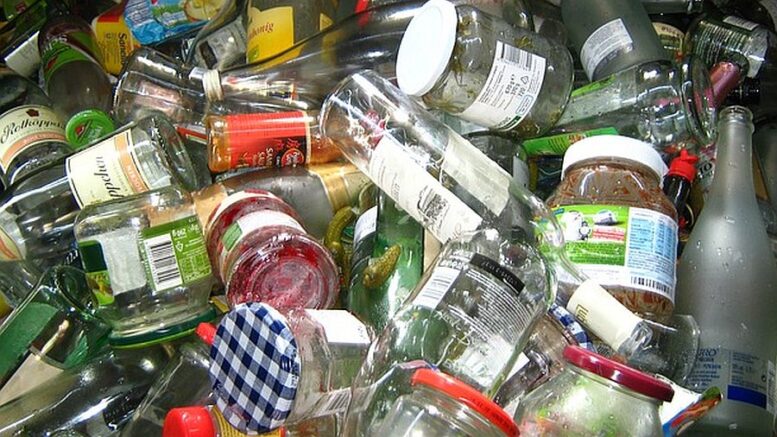
Matthew Cohen: Smarter recycling.
All of this is well intended, but it would be costly – and the bill failed to recognize innovation as a solution.
Had this bill passed, industries and businesses on Long Island that contribute to a thriving economy would have been adversely impacted. Long Island is home to a robust manufacturing sector – including plastics manufacturing – that employs thousands of people in both Suffolk and Nassau counties.
The consequences of this ill-conceived bill would have reverberated across many different sectors that ship goods. These businesses are the backbone of our local economy, providing jobs and economic stability to countless families. Imposing regulations without considering their impact would have jeopardized livelihoods and stifled economic growth.
One of the largest issues with our current processes is that not enough plastic waste is ultimately recycled. But there are solutions out there, in play across the country: Companies, research laboratories and universities have developed technologies that can infinitely recycle plastics. We can leverage this research and attract these companies to our region.
Prioritizing innovation and embracing infinite recycling technologies will ensure that our recycling efforts not only protect the environment but also create new opportunities for businesses and workers, without harming them. This dual focus on sustainability and economic growth is crucial for Long Island to thrive.

Board meeting: Nobody disputes the need for a better cardboard-packaging recycling plan, but Albany’s current proposal needs re-packaging.
The output and employment generated by advanced recycling facilities is expected to be significant. They’re estimated to create $12.9 billion in annual economic output and to generate as many as 48,500 jobs nationwide. More than 12,000 of those jobs would come from direct employment by facilities, with the supporting supply chain generating countless more.
Lawmakers must recognize that there are cutting-edge, sustainable and innovative recycling solutions and should support businesses who seek to adopt them – not impose mandates that are impossible to comply with.
Attracting these businesses to Long Island, and New York more broadly, will foster economic growth while addressing the need to reduce excess waste. By embracing these innovations, we can set a benchmark for the rest of the state and the country, demonstrating that economic development and environmental sustainability are not mutually exclusive.
I’m hopeful that if this bill is taken up again next year, the Legislature will work with all stakeholders to reduce the negative consequences for businesses of all sizes and ensure innovation is nurtured, not stifled. Long Island is ready for recycling policies that attract the businesses and jobs of the future, all while safeguarding our environment for generations to come.
Matthew Cohen is president and chief executive officer of the Long Island Association.