By NANCY PAK //
Innovation is at the heart and soul of food – the world has been innovating with food since the discovery of fire.
 The Royal Society lists refrigeration as its No. 1 food-related invention, but there have been any number of insightful advances – the fish net, the oven, even a favorite of everyone who enjoys cheese or beer: fermentation.
Much has changed over the centuries, and we’re always looking for the “next big thing” regarding food. Most of us consider “food innovators” to be chefs who create new fusion foods, blend cultures, create amazing recipes, use exotic ingredients or otherwise create the next exciting and unexpected taste.
But food innovation is actually a multibillion-dollar market enlisting a broad array of technologies to drive changes in what, where and how we eat.
While perhaps not as profound as fire or the freezer, the COVID pandemic has been a seismic driving force in demanding innovation from the food industry – creating, in many cases, permanent changes in how we create products and market them to the consumer.
For example, during the height of the lockdown, my laptop became the store – and my front porch the checkout line – as I (and countless others) depended on Uber Eats, Amazon and local merchants to deliver whatever I ordered. How many consumers will permanently alter their weekly trips to the supermarket has yet to be determined, but it’s clear that a lasting shift in shopping habits is underway, and it will impact various business models going forward.

Nancy Pak: Quick thinking.
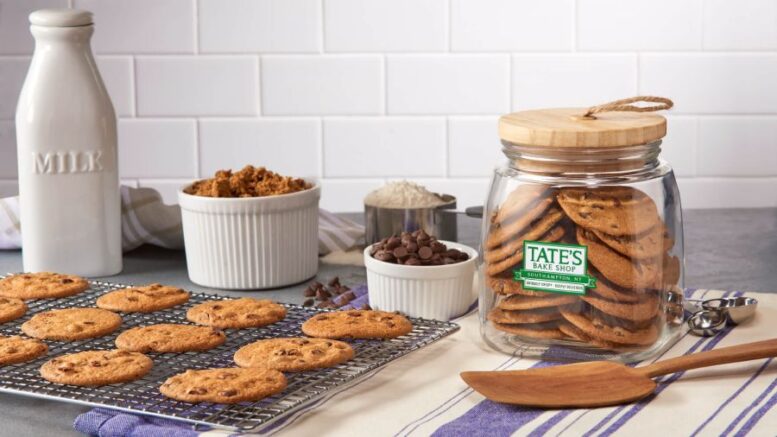
For Tate’s Bake Shop, the COVID pandemic required innovative ways of addressing a sudden – and significant – uptick in the demand for comfort food. We retooled our cookie lineup to ensure that we could meet both the in-store and burgeoning online demands; with in-store and event marketing temporarily off the table, we also shifted to more of a digital-marketing focus.
The result was an exponential increase in household penetration. Even with the pandemic waning, I can’t envision ever giving up that kind of presence.
Tate’s was not alone in its agile innovation. Long Island restaurant owners were also forced to pivot.
Faced with dining room closures, legendary restaurants such Roslyn’s Bryant & Cooper Steakhouse and Islip’s Tellers turned into butcher shops, offering prime cuts go. Other eateries, including Roslyn’s Thyme Restaurant, offered food as part of drive-in movie nights.
Then there were the restaurants that built good will – and brand awareness – by addressing community needs: Angelina’s in Williston Park, Salvatore’s of Elmont and many others offered free meals to those in need.
Now the food industry is thinking about the post-pandemic world, and what the next phase of food innovation might look like. Will COVID-wary consumers continue to demand the same protocols, such as vending machines filled with single-serve lunch options replacing the salad bar? What of the steel shipping containers pressed into service as pop-up restaurants – are they here to stay?
The jury is still out, but coming from a Korean-American immigrant family, I know this much: Innovation of any kind is the result of creativity, vision and hard work, and requires leadership at the center of the team. As my father often reminded me, “You cannot lead by being in another room. You must always be prepared to drive toward solutions.”
I hear his words and heed them every day.
From the Tate’s Bake Shop perspective, it’s important to put all innovation advances in their proper perspectives. Regardless of how cutting-edge a new food product is, if it doesn’t taste good, it’s quickly headed to obscurity. That’s why, when we introduce new and exciting cookie options, we always take the first test batch off the baking sheet and ask, “Hey, is this delicious, or what?”
That will always remain the ultimate test of any food innovation – today, tomorrow and literally since fire was harnessed by that first chef.
Nancy Pak is the chief executive officer of Westhampton Beach-based Tate’s Bake Shop, a subsidiary of Illinois-based Mondelez International.