
By JEFFREY REYNOLDS //
As the latest round of COVID-19 takes its final breaths, America has yet another epidemic on its hands.
 And according to U.S. Surgeon General Vivek Murthy, it’s just as deadly.
Releasing an 81-page Surgeon General Advisory last week, titled “Our Epidemic of Loneliness and Isolation,” Murthy declared loneliness “an underappreciated public-health crisis that has harmed individual and societal health.”
More than half of Americans say they regularly experience loneliness, which is typically defined as a “state of emotional distress from lacking desired interpersonal relationships.” Not surprisingly, COVID lockdowns designed to limit the spread of disease have exacerbated feelings of social isolation, especially among young adults.
Paradoxically, a lack of social connections may actually increase susceptibility to viruses and respiratory illnesses like COVID. In his advisory, Murthy cites a number of studies linking social isolation with a greater risk of cardiovascular disease, dementia, stroke, depression, anxiety and premature death.
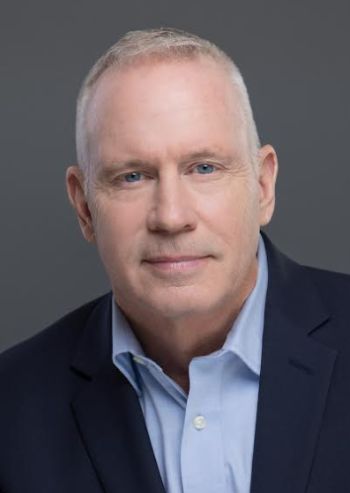
Jeffrey Reynolds: So lonely.
The surgeon general warns that being lonely actually increases the risk for premature death by 26 percent – and says being socially disconnected for a prolonged period is just as dangerous as smoking 15 cigarettes a day.
Some blame social media, remote work, overscheduling and other factors for the lack of close connections with our neighbors, coworkers, friends and families. The fact that fewer Americans are getting married and having kids – who have always served as social connectors – also plays a significant role; twenty-eight percent of Americans lived alone in 2021, but less than half as many did so in 1960.
While suburban areas like Long Island are often called out for being isolating and alienating by design, old tropes about manicured lawns and McMansions belie modern-day realities. And several surveys have found little difference in the social lives of urbanites, suburbanites and their rural counterparts – social isolation happens in bustling cities, too.
While local nonprofits don’t offer “loneliness support groups,” per se, programs such as those run by the Ronkonkoma-based Association for Mental Health and Wellness help combat isolation among the most vulnerable, including veterans and people with mental illness.
“For someone living with depression or anxiety, withdrawing socially can be both a symptom and coping strategy,” notes social worker and association CEO Colleen Merlo.
And that in turn, “can lead to isolation,” according to Merlo, “which can contribute to feelings of anxiety and depression.”
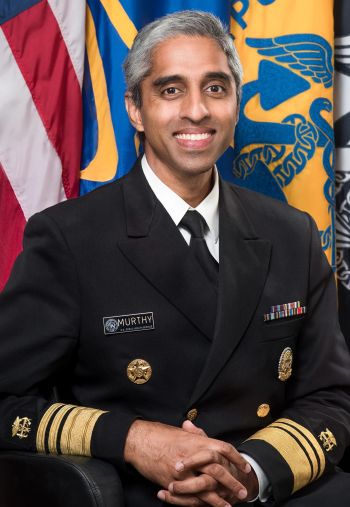
Vivek Murthy: Surgeon general’s warning.
The AMHW runs support groups where people with mental illness can share information, hopes, joys, fears, successes and hardships in a safe space. Also on the docket are peer-support programs, two recovery centers and professional care management to help interrupt the isolation cycle.
Understanding that older Long Islanders are at particular risk for social isolation, Family and Children’s Association offers a Friendly Visiting Program that matches screened and trained volunteers with homebound seniors to provide conversations, a game of cards or a walk around the neighborhood. Program volunteers say they benefit as much as the recipients – and bonus, the companionship provides an extra set of eyes and ears for social workers with climbing caseloads.
Surgeon General Murthy’s proposed National Strategy to Advance Social Connection details a comprehensive roadmap for better social connections that includes boosting exactly these types of community-based support programs.
The strategy also calls for better training of healthcare professionals to recognize social isolation in people with physical or mental health conditions and disabilities, as well as the poor, single parents, older Americans and those who experience discrimination or marginalization, including LGBTQ+ individuals and victims of domestic violence.
Murthy challenges government planners to strengthen the social infrastructure with more communal spaces, social activities and rapid transit – all good for connecting communities – but also recommends we re-evaluate our relationship with social media and find ways to tamp down the divisive political rhetoric that’s polarized America.
If those goals seem lofty, they’re worth it, according to the surgeon general.
“Our relationships are a source of healing and wellbeing hiding in plain sight,” says Murthy, who urges us to do our part by answering that phone call from a friend, volunteering for a good cause or sharing a meal with an elderly neighbor.
The only way to combat loneliness, after all, is together.
Jeffrey Reynolds is the president and CEO of the Garden City-based Family and Children’s Association.