By KATE FULLAM //
Two years ago, the CUNY Urban Food Policy Institute engaged the East End Food Institute in a research project aimed at melding data, demographics and media coverage into a portrait of the Eastern Long Island food system.
 As the report was coming together in early 2020, the world was slammed by a global pandemic – and our research exploded, with a much wider perspective and new long-term goals.
This past year taught us all a harsh lesson about the fragility of the nation’s food system, and the resiliency we must build locally to handle a crisis like COVID-19. The key findings of our research were really just external validation of the issues that year-round eastern LI residents have been facing for years.
“The goal is to really think, ‘What did we learn from the pandemic that will enable us to solve the problems that existed before the pandemic?’” notes Nicholas Freudenberg, director of the CUNY Urban Food Policy Institute and a Springs resident, with the ultimate goal of making “a more equitable, a more sustainable, a healthier food system.”
“That will take a village of food growers, food workers, food businesses, local elected officials, food-insecure people and food-security programs,” Freudenberg adds. “That’s who we want to bring together to come up with a plan.”
A written report – including input from Feeding the East End, a March 23 public event – is coming soon, followed by a series of public listening sessions to dig deeper.
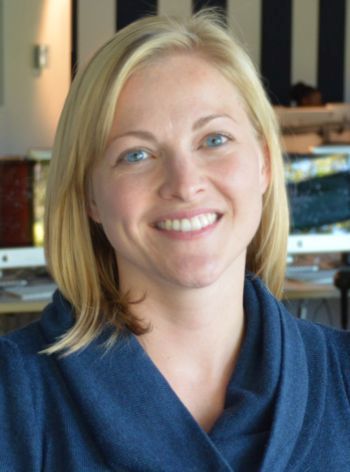
Kate Fullam: So, what’s the plan?
More than 100 participants representing 50-plus organizations, plus many community members, registered for Feeding the East End, a great indication of interest in regional food planning. I personally left feeling a sense of tenacity and inspiration … until the gut check.
A respected colleague reminded me there are serious challenges in addressing the conflicting priorities identified in our report and during the March 23 event’s breakout sessions. He challenged whether “providing underserved communities with healthy food, living wages for food-systems workers, and supporting and sustaining food production by local agriculture are compatible, given the current and likely future realities of eastern Long Island’s economy.”
These comments rattled me. I was struggling with the question of whether it is really possible to shift the system to balance so many competing stakeholder priorities.
But years of experience in advocacy reminded me that optimism and realism are beautifully balanced ingredients, when it comes to getting things done.
New York City Director of Food Policy Kate Mackenzie must have the same inherent optimism (maybe it’s a Kate thing). It seems we both believe that anything is possible with the will (and collaboration) of a dedicated community of stakeholders, elected leaders and partners.
Mackenzie was tasked with coordinating efforts from more than 300 organizations and agencies, resulting in the recently unveiled Food Forward NYC: A 10-Year Food Policy Plan. The strategy has several overarching goals: worker protection, modernized infrastructure, fair and universal economic opportunities and food access for all, among others (Forbes says the Big Apple is “revolutionizing good food policy”).
Early on in my career, I saw “advocacy” as a dirty word. One side fighting against the other. Us versus them. Sure, it’s easier to defend just one side. It creates faster results. But if observing our local farmers in action can teach us anything, it’s that good things take time.
Advocacy is not about contradiction. It’s about collaboration, and getting everyone what they need.
According to Forbes, “by lining up infrastructure, procurement and administration to address food insecurity and sustainability throughout its supply chains and communities, New York City is taking an incredible leadership role in food policy for the 21st Century.”
I’m grateful to follow that lead.
Kate Fullam is the executive director of the East End Food Institute.