By JEFFREY REYNOLDS //
With Giving Tuesday a little more than a week away, ’tis the season for charity galas, direct-mail appeals and bell-ringing mall Santas, as nonprofits struggle to hit their year-end goals and fund their 2024 programs.
 Reaching into your pocket feels good – especially around the holidays – but what if everything we’ve been taught about charitable giving is wrong?
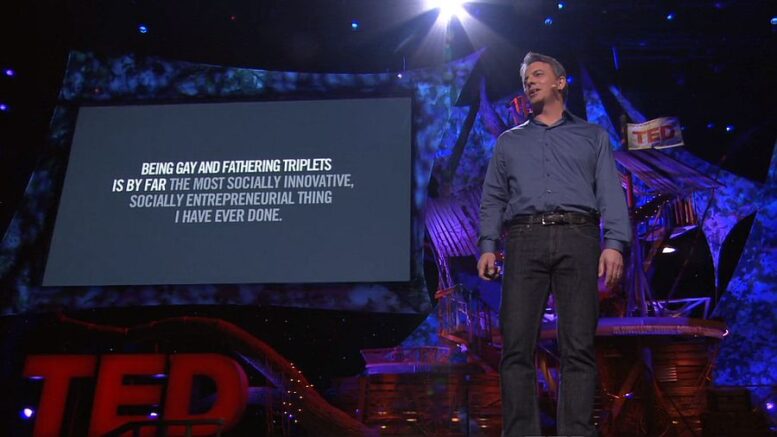
That’s the provocative question author and Charitable Defense Council founder Dan Pallotta asked in his landmark 2013 TED Talk, which has amassed more than 5 million views and counting. A decade later, he’s asking the question again in a new, 90-minute documentary titled “Uncharitable,” based on his 2008 book of the same name.
Directed by Stephen Gyllenhaal and featuring notables like Edward Norton, “Uncharitable” details Pallotta’s successful 1990s-era 3-Day Breast Cancer Walks and long-distance AIDS rides, including one that took cyclists from Boston to New York. Over nine years, some 182,000 people participated in these events and raised $582 million – but that ended when Pallotta TeamWorks folded in 2002 after being sued by charitable organizations claiming the for-profit company paid its executives too much and kept too big of a cut.
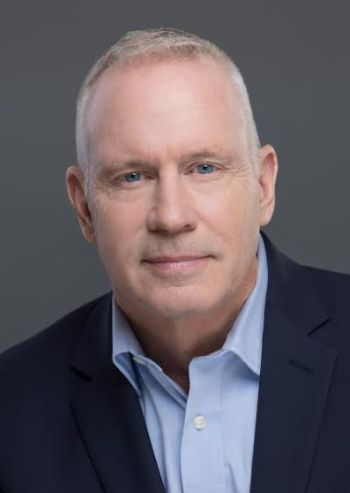
Jeffrey Reynolds: Give, give in or give up?
Since then, Pallotta has argued that nonprofits are unfairly pressured by donors, government funders, the media and the public to cut salaries, lower operating costs and delay capital investments, to the point where innovation is stifled and their ability to solve the world’s biggest problems – hunger, homelessness, child poverty and more – is threatened.
“Don’t ask about the size of their overhead,” he pleads in the documentary. “Ask about the size of their dreams.”
Still, these days, virtually every charitable pitch – in the mail, online, at in-person dinners and golf outings – touts how much of each contributed dollar is spent on programs. That’s because nobody wants to pay anymore for the mundane independent audits that foster fiscal accountability, or the fundraising executives that land game-changing million-dollar gifts, or the marketing campaigns that muster public support.
Frugality equals morality. Donors often want their dollars devoted directly to sick kids, homeless puppies and meals for veterans, not tomorrow, today.
Local nonprofit executives gathered in Bellmore Nov. 15 for a National Philanthropy Day showing of “Uncharitable,” sponsored by YES Community Counseling Center. They agreed that donor education is critical.
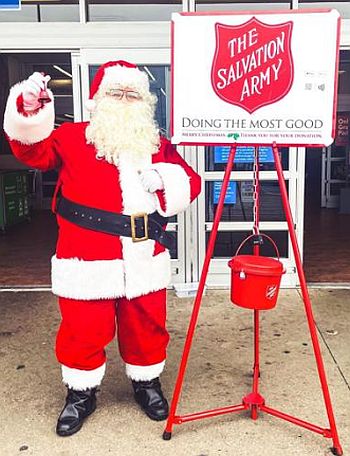
For whom the bell tolls: Charities brag about all of their donations going to programs — but should they?
But Colleen Merlo, CEO of the Ronkonkoma-based Association for Mental Health and Wellness, argues that charities need to tap into why people give – and find more persuasive ways to make the case for infrastructure support.
“We have to advocate for ourselves as much as we advocate for the community,” Merlo says.
Sol Marie Alfonso Jones, senior program officer at the Long Island Community Foundation, says the foundation employs a “trust-based philanthropy” when making grants to local nonprofits – and suggests agencies collaborate with each other and enlightened foundations to “change the narrative” and bust the “starvation model” of funding charities.
“When I hear that the executive director of a food pantry needs to use a food pantry themself,” she notes, “there’s a really big problem.”
Whether “Uncharitable” becomes the philanthropy equivalent of Al Gore’s climate-change docu-epic “An Inconvenient Truth” remains to be seen. But in September, watchdog Charity Navigator announced that it is “saying farewell to outdated metrics” and no longer evaluating administrative or fundraising expense percentages – and will instead benchmark liability-to-asset ratios, working capital and fundraising efficiencies.
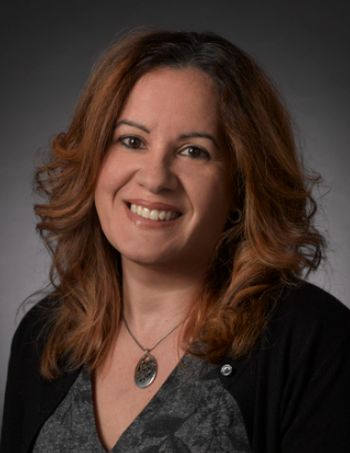
Sol Marie Alfonso Jones: Matter of trust.
The Better Business Bureau’s Wise Giving Alliance also emphasizes charitable transparency, but still recommends that program activities should account for about 65 percent of an organization’s total expenses.
That’s good. Despite nonprofits being among the most trusted institutions in America, a recent Independent Sector report found that public trust has dropped 7 percentage points since 2020, with just 52 percent of Americans saying they trust charities. Combined with a 10 percent decrease in charitable donors in 2022, it seems people are disengaging from nonprofits without bothering to ask more meaningful questions about their goals, their outcomes, how they measure progress and how they execute their mission.
Pallotta’s advice to fleeing donors and struggling nonprofits alike is simple.
“Stop looking at a charity as a gesture,” he says, “but as the thing that can change the world.”
Jeffrey Reynolds, PhD, is the president and CEO of the Garden City-based Family and Children’s Association.