By TERRY LYNAM //
Awestruck by natural beauty. Amazed by racial, ethnic and religious diversity. Shocked by living conditions. Thankful to be an American.
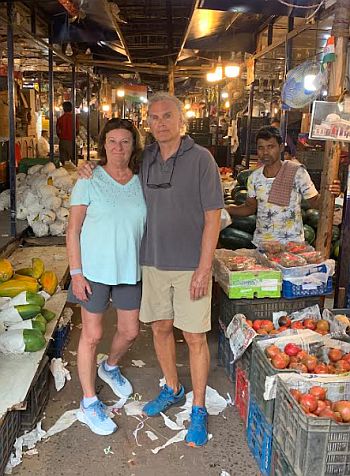
Market watch: The writer (right) and his wife, Trish, making friends in Mumbai.
Those are my biggest takeaways after a five-week trip to Africa and Southeast Asia. Along with my wife, Trish, and other family members, I spent about a week in South Africa – including an overnight safari at a game preserve – followed by a slow cruise to Cape Town, including day-long stops in Mozambique, Madagascar, the Seychelles, the Maldives and ports in India, Malaysia, Singapore and Thailand.
It was eye-opening, to say the least.
The pandemic, of course, brought tourism to a grinding halt around the world, but people in these countries are still reeling from the financial devastation. COVID was especially painful in tropical countries like the Maldives and Seychelles, where tourism represents 59.6 percent and 32.5 percent, respectively, of the gross domestic product.
(By comparison, the United States generates more tourism income than any country in the world – more than $200 billion annually – but that equates to only 1.1 percent of our GDP.)
Ironically, with the exception of South Africa (which has reported more than 102,000 COVID-related deaths), most of the countries we visited experienced relatively low COVID mortality rates. But tourism still stopped during the pandemic – and, unlike here, business owners and workers in those countries received no government relief checks.
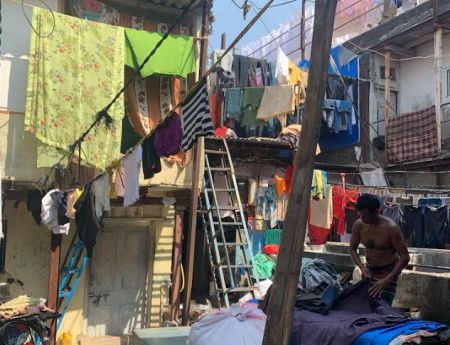
Not in Kansas anymore: Outside the United States, standards of “middle class” living may vary.
Ask the tour guides, boat captains, taxi drivers and others in the tourism trades about the pandemic, and you’ll hear heartbreaking stories of hardship, filled with daily struggles to feed families.
Education in this part of the world is also a luxury. With the exception of the Maldives, most countries we visited provide free primary education – not including school supplies or transportation, which families must cover themselves – only up to sixth grade. After that, families must pay tuition for additional schooling.
In Madagascar, we visited an island called Nosy Be, where children canoe several miles to school, paddle home for lunch, and then canoe back to school for their afternoon lessons.
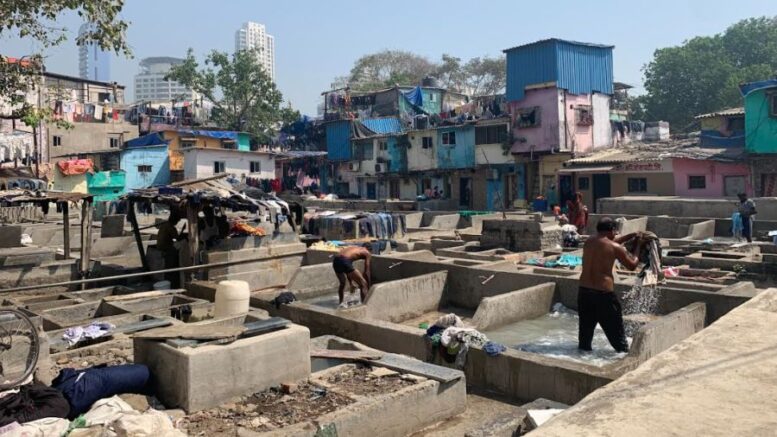
The levels of abject poverty in Mozambique and Madagascar – and in certain areas of Thailand, South Africa and India – are stunning to witness. In rural areas, many people live in thatched-roof homes with dirt floors and no apparent plumbing. Cities like Mumbai, Cape Town and Bangkok support countless slums.
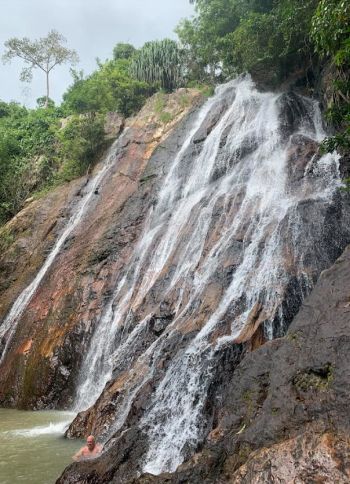
Sights to behold: Natural beauty abounds, including Thailand’s Na Muang Waterfall.
They’re especially visible in Cape Town, where thousands of corrugated-metal and wooden shacks line national highways around the otherwise picturesque city. Many slums are rife with gangs and crime and murders are common.
In Mumbai, a city of 27 million people, organized chaos seems ingrained in daily life. Two of our tour guides, Ajay and Soloman, were proud residents of the city’s slums; they said many living there are like them – not poor, but working middle class, held in place by family loyalties and other factors.
Soloman said he lived with a family of 10 in two rooms, each about 150 square feet. Segregation remains prevalent in Indian society, but devotion to family runs deep, regardless of one’s caste.
Another striking societal problem in Africa: the continued prevalence of AIDS and HIV.
Although it’s one of Africa’s wealthiest countries, South Africa has one of the world’s highest AIDS/HIV infection rates, with 18.3 percent of people ages 15-49 infected. And although the mortality rate from the virus has dropped significantly since 2005 (when it killed an estimated 280,000 South Africans), HIV/AIDS still claimed approximately 51,000 lives there in 2021.
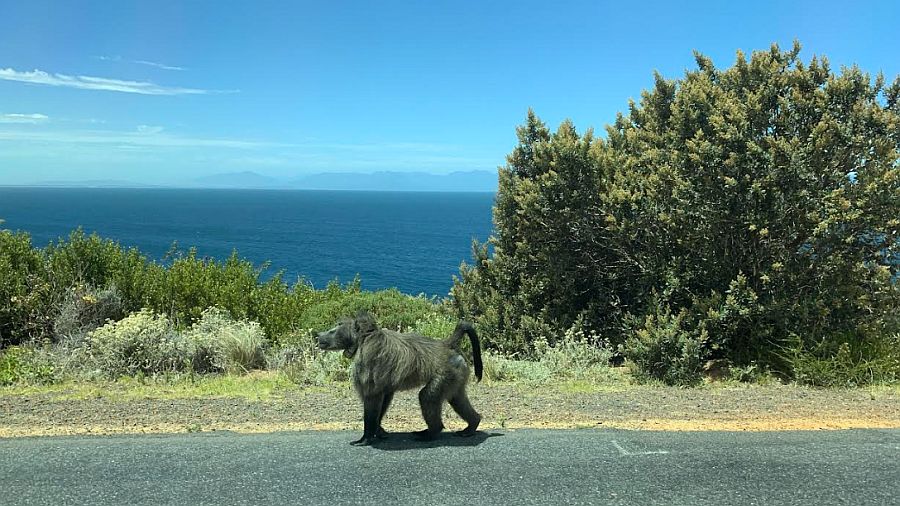
Why’d the baboon cross the road?: Because this is South Africa, and that’s what they do.
In Mozambique, 2.2 million of the country’s 29 million residents were living with HIV in 2018, when the country recorded 54,000 AIDS-related deaths.
Witnessing these struggles firsthand, seeing the squalor and economic disparity in many of the countries we visited, I felt a bit guilty about my own prosperity.
But most of the people we interacted with were incredibly friendly and hardworking. Certainly, aggressive hawkers were rampant (especially in Mozambique and India), but people were mostly engaging and appreciative of the tourism rebound in their respective countries.
Most were just trying to scratch out a living anyway they could.

Past and future: The pristine waters around the Seychelles archipelago, complete with 21st Century wind turbines.
Returning home, I couldn’t help but draw comparisons to the quality of life in the United States. There are certainly millions of Americans living in poverty, struggling to pay for housing and put food on the table and keep their families safe from crime, during these inflationary times and all times.
But most of us living in this country are unbelievably fortunate. And after seeing what we saw in our adventure abroad, I don’t think we Americans truly appreciate what we have.
Terry Lynam, a communications consultant and former senior vice president/chief public relations officer for Northwell Health, is Innovate Long Island’s Voices healthcare anchor.