By TOM MARINER //
Sixty-seven months after the day in 1903 when Orville Wright flew 120 feet in the first powered aircraft flight at Kitty Hawk, Glenn Curtiss flew 25 miles over the Hempstead Plains of Long Island.
 On July 17, 1909, Curtiss made his historic flight in the Herring-Curtiss No. 1 Golden Flyer, winning the Scientific American Trophy – a prestigious aviation award established in 1908 by Scientific American magazine to encourage early heavier-than-air flight – and propelling an aviation industry that would transform Long Island forever.
A replica of the aircraft is displayed today at the Cradle of Aviation Museum in Garden City, one of several Curtiss-related aircraft and artifacts on display. The artifacts paint a vivid picture of the Curtiss Engineering Corp., which established operations in Garden City in 1917 and helped make Long Island a national center for aircraft research, testing and manufacturing.
Riding the Curtiss Corp.’s tailplanes, the Island soon became home to numerous airfields and aircraft companies. The Wright and Curtiss operations separately grew into major aircraft manufacturers – and soon became embroiled in one of American industry’s earliest and most bitter patent disputes.

Tom Mariner: Flying through history.
At issue was whether Curtiss’ use of ailerons – hinged control surfaces at the back edge of airplane wings, designed to help a plane roll, bank and turn – infringed the Wright brothers’ broad patent covering lateral aircraft control of an aircraft. The Wrights prevailed in the courts, and the rivalry ultimately gave way to business realities: In 1929, investors combined 12 Curtiss- and Wright-affiliated companies to create the Curtiss-Wright Corp., then the largest U.S. aviation company.
That same year, another piece of Curtiss legacy appeared in Queens: the Glenn H. Curtiss Airport. New York City later acquired the property, dramatically expanded it and opened what ultimately became LaGuardia Airport.
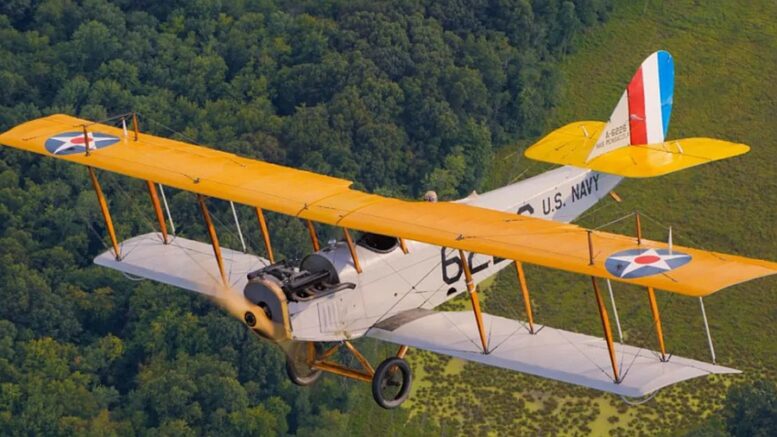
Curtiss’ Long Island contributions went far beyond those early flights and corporate machinations. Curtiss aircraft were a big part of the Island’s World War I aviation story, with the famous Curtiss JN-4 “Jenny” used to train generations of American pilots. (An original Jenny, owned by famous aviator Charles Lindbergh, is among the Curtiss vehicles preserved at the COA Museum.)
During World War II, Curtiss-Wright became one of America’s true industrial giants. The company produced approximately 29,269 aircraft between 1940 and 1945, including the celebrated P-40 Warhawk, while also manufacturing enormous numbers of aircraft engines and propellers.
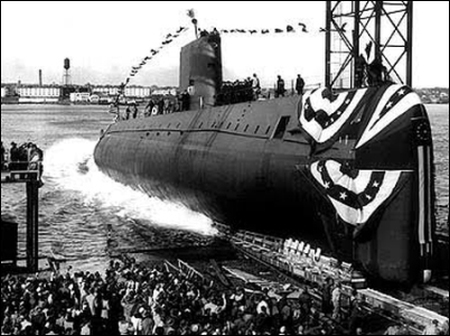
Component proponent: Target Rock Corp. was instrumental in helping the nuclear-powered USS Nautilus put to sea.
After the war, aviation changed rapidly. Curtiss-Wright gradually moved away from building complete airplanes and into the production of sophisticated components and technologies – a transformation that eventually brought Curtiss-Wright back to Long Island in a very different industry.
Target Rock Corp. was founded on Long Island in 1951, intending to solve some of the demanding valve-engineering problems confronting America’s emerging nuclear Navy. Its first valves were installed aboard USS Nautilus, America’s first nuclear-powered submarine, and the company subsequently became a major supplier of highly engineered valves for other nuclear-powered submarines and aircraft carriers.
In 1961, Curtiss-Wright acquired Target Rock, giving the former aircraft giant an important position in nuclear propulsion and beginning a new chapter in its Long Island history. Target Rock entered commercial nuclear power in 1967 and became one of the early recipients of an American Society of Mechanical Engineers “N” nuclear-certification stamp. More than 6,000 Target Rock valves have since been installed in nuclear safety-related applications worldwide.
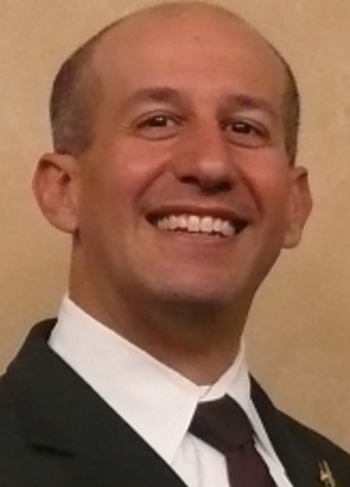
Mike Cinque: Career commitment.
New chapters in this historical saga are being written today by Mike Cinque, general manager of Curtiss-Wright Target Rock. Cinque, a former nuclear submarine officer, has spent roughly a decade as the division’s GM, overseeing an operation where engineering, precision manufacturing, quality control, advanced testing and nuclear compliance must work together.
“Curtiss Wright is proud to be part of the Navy ship-building mission and of commercial nuclear/emission-free energy,” he told Innovate Long Island, “while being committed to careers on Long Island.”
That emphasis on careers leverages decades of specialized knowledge while modernizing operations and developing the next generation of skilled workers. Understanding that the “next generation” begins early, Curtiss Wright plays a large role in Long Island’s annual “Manufacturing Day” festivities, wherein high school students chat with local manufacturers and begin to get excited about possible futures.
Cinque goes a step further, giving personal presentations to STEM students and their parents, reminiscing about his days aboard nuclear submarines and expressing real joy about building their vital modern components.
Today, the Curtiss Wright operation is moving beyond its nuclear-submarine duties. In 2024, the firm won its largest electro-mechanical actuation supply contract, requiring it to provide critical valve-actuation technology for the U.S. Coast Guard’s new Polar Security Cutter. Significantly for Long Island, Curtiss-Wright specified that the work would be performed at Target Rock’s East Farmingdale facility.
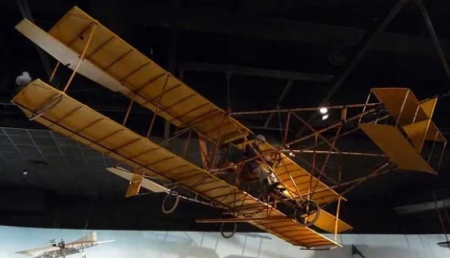
“Golden” age: The replica Golden Flyer on display at the Cradle of Aviation Museum.
For innovators on Long Island and beyond, there are many important lessons in this 117-year journey, starting here: Innovation is not always about abandoning yesterday’s industries for tomorrow’s industries. Sometimes, it means preserving extraordinary engineering knowledge and adapting it to the next technological challenge – while always working to develop the people capable of carrying it forward.
From a fragile Golden Flyer gliding above the Hempstead Plains to critical components operating inside America’s most sophisticated warships, Curtiss-Wright’s Long Island story has always been about the same thing: engineering what needs to come next.
Tom Mariner is the executive director of Bayport-based Long Island Bio.