By GREGORY ZELLER //
High doses of an over-the-counter antacid can reduce the severity of COVID-19 symptoms.
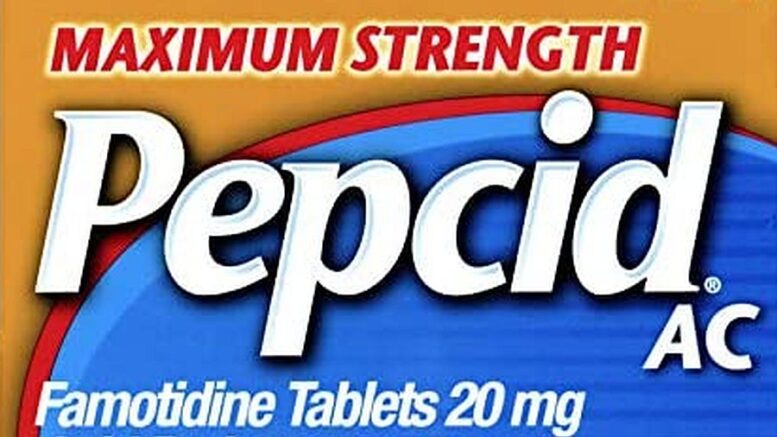
 The important news about the common heartburn drug famotidine – known best by the stage name Pepcid AC – follows a controlled outpatient clinical trial led by Northwell Health’s Feinstein Institutes for Medical Research and Cold Spring Harbor Laboratory, the results of which were published last week in Gut, the peer-reviewed journal of the British Society of Gastroenterology.
The January 2021-launched study monitored 16 symptoms in 55 nonvaccinated COVID patients, who were prescribed either a placebo or 240 daily milligrams of famotidine – about six times the off-the-shelf Pepcid AC dose – for 14 days.

Tobias Janowitz: Pepcid challenge.
According to the study, patients taking the famotidine experienced “better resolution” of 14 out of the 16 symptoms, including quicker recovery of their smell and taste and fewer breathing problems.
Furthering the good news: Since the drug is not an antiviral, its ability to reduce inflammation throughout the body is resistant to variants of the nefarious SARS-CoV-2 virus – meaning it works equally well against Delta, Omicron or whatever the novel coronavirus churns up next.
Medical oncologist and principal investigator Tobias Janowitz, an assistant professor in the CSHL Cancer Center and adjunct Feinstein Institutes professor, noted that famotidine is “safe at the higher doses” and called it a potential cornerstone of reliable, affordable treatment options for COVID-19 cases.
“[We] see molecular and clinical evidence that it improves the recovery of symptomatic patients of diverse ancestries diagnosed with COVID-19,” Janowitz said. “We hope that the data we are sharing with this study guide future trials that are necessary to confirm famotidine as a treatment for patients with COVID-19.”
 In addition to confirming an easily accessible potential treatment for COVID cases, the study – which was fully remote and included the issuance of Apple iPads to keep study patients linked to healthcare providers – is an indication of science to come in “today’s virtual world,” according to Feinstein Institutes President and CEO Kevin Tracey.
“Our clinical trial strategy has significant implications for how to study new drugs in patients at home,” Tracey said in a statement. “The data from this trial of an effective, safe, cheap, generic drug should be valuable to global efforts to find safe and affordable therapies to treat COVID-19.”