By MICHAEL H. SAHN //
Election integrity is the foundation of democracy – and it’s under attack in the United States.
 Polls show that almost one-third of Americans don’t have confidence in the election process and will likely doubt the results of the 2024 Presidential election. This poses an unprecedented threat to our electoral system, which relies on state and local authorities to conduct elections and count votes.
Experts attribute part of Americans’ skepticism to the varying rules and procedures between different states and voting jurisdictions. Whatever its cause, this lack of confidence in the electoral system means Election Day is merely a prelude – not an end point of the election cycle, but the starting point to determining the final results.
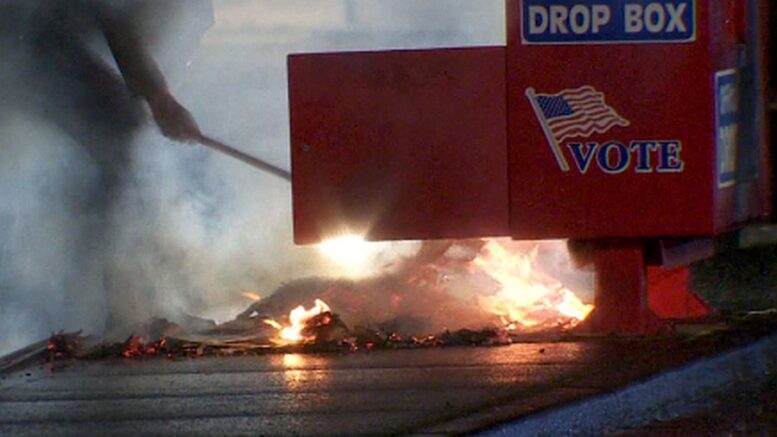
Coupled with disinformation, contentious claims and outright falsehoods about the electoral process, the public’s decreasing faith leads to interference with vote casting and vote counting, including threats of violence before, during and after Election Day. Ballot drop boxes that were set on fire in Oregon and Washington State have already damaged hundreds of ballots.
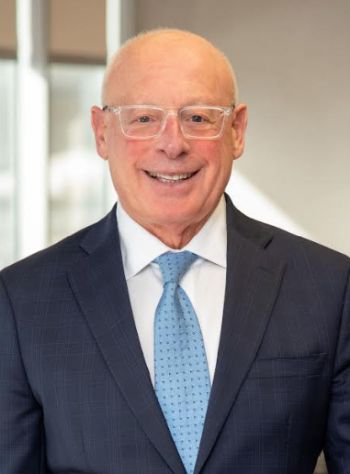
Michael Sahn: Keeping it real.
The skepticism over the process also means that local election boards and nationwide courts will be flooded with complaints and lawsuits challenging processes and certifications.
Final tallies will take weeks or even months to resolve, while governance hangs in the balance. Pre-election lawsuits have already been filed in many battleground states – including Virginia, Arizona, Georgia, Michigan, Nevada, North Carolina, Pennsylvania and Wisconsin – setting the stage for post-election litigation.
This week in Pennsylvania, Republicans asked the U.S. Supreme Court to block an order of the state’s highest court requiring the counting of mail-in ballots that were previously deemed invalid because they arrived without mandatory secrecy envelopes.
New York, meanwhile, has its share of tightly contested races that may determine which party holds the majority in Congress, including the 4th District contest between Republican incumbent Anthony D’Esposito and Democratic challenger Laura Gillen and the 1st District race between Republican incumbent Nick LaLota and Democratic challenger John Avlon – both very close and seemingly ripe for post-election challenges.
To be sure, this is a bipartisan issue and problem. Since the 2020 election, both parties have geared up their litigation teams and pushed through state-level legislation to change how elections are conducted and votes are counted.
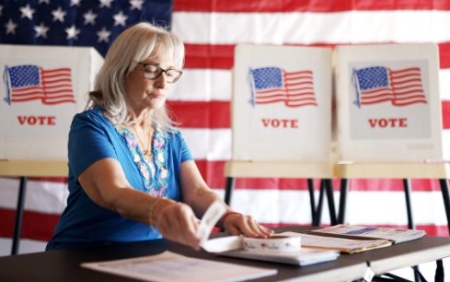
On the job training: New York State has mandated training protocols for all statewide election poll workers.
Additionally, 92 percent of surveyed local election officials say they’ve taken steps to increase security for voters, election workers and election infrastructure.
On the federal level, to avoid problems with selecting electors to send to the electoral college, Congress in 2022 passed the Electoral Count Reform Act, clarifying that governors have sole authority to send their state’s electors to Congress.
New York has enacted laws to expand mail-in voting for registered voters and passed a state version of the John R. Lewis Voting Rights Advancement Act, which has many components – including a “preclearance” requirement that requires jurisdictions with a history of civil or voting rights violations to have any proposed changes to certain election-related laws and policies “precleared” before implementation.
Another important component of the New York law is expanded language assistance, over and above federal Voting Rights Act requirements.
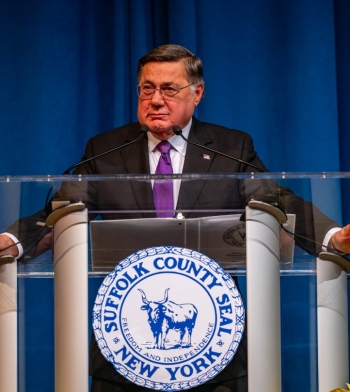
Ed Romaine: Prove it.
Meanwhile, in 2023, Albany passed an additional measure requiring the state Board of Elections to develop and provide each statewide county with materials for a mandatory training curriculum for poll workers. And another big, long-range issue is on the horizon for New York: the timeframe for holding local elections, with litigation pending over a measure to move many local elections to even-numbered years, when national elections are held.
The idea is to increase voter turnout – and, perhaps, favor one party over the other on broad national issues. An upstate court has ruled that this measure is unconstitutional, but appeals will follow, according to State Sen. James Skoufis (D-Middletown), who’s sponsoring the bill.
Despite all these issues, expert commentators have expressed confidence that the checks and balances in place across our national legal system will ensure fairness and accuracy in the election process – and that, after the dust settles, the winners and losers will be correctly certified.
Ultimately, our elected officials must lead the way to ensure election integrity. They can instill public confidence in the process – witness Suffolk County Executive Ed Romaine, who’s expressed his confidence in Suffolk’s election process and said that he will not support post-election challenges that do not have factual backing.
That’s a good model for others to follow, in an effort to increase trust in the election process and ensure fair governance of our state and country.
Michael H. Sahn, Esq., is the managing member of Uniondale law firm Sahn Ward Braff Coschignano PLLC, where he concentrates on zoning and land-use planning, real estate law and transactions, and corporate, municipal and environmental law. He also represents the firm’s clients in civil litigation and appeals.