By DAVID A. CHAUVIN //
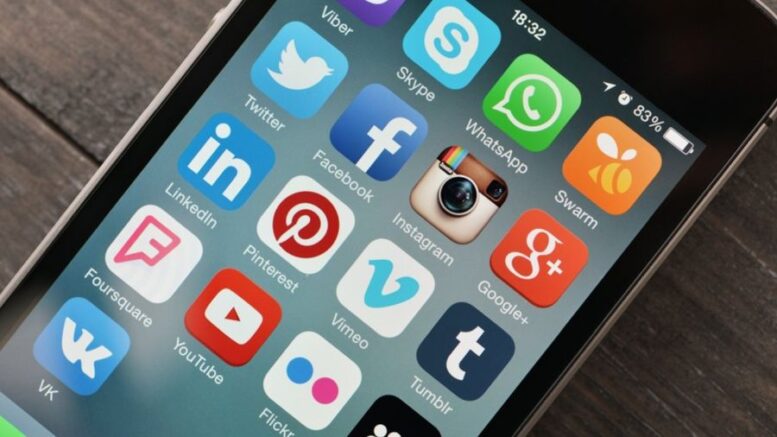
Social media, our culture’s dominant media force for nearly two decades, had a rough year.
 Following lightening-rod Elon Musk’s purchase, advertisers are fleeing Twitter. Lawmakers are trying to shut down TikTok in America. And Meta … yikes. Since Facebook’s parent company rebranded about a year ago, the once-undisputed king of social media has lost about $650 billion in market value.
The prevailing present-day narrative is that social media is dying, or already dead. It’s certainly possible that we’ll look back at 2022 as the beginning of the end of social media’s cultural reign – nothing that’s “in vogue” lasts forever, and seemingly invincible brands drown all the time in the wakes of emergent technologies and products.
But I’m not convinced social media is coming to an end, for a few reasons: social media’s penchant for innovation, social media’s incredible infiltration in all facets of life and the lack of any serious alternatives.
Social media became critical digital infrastructure so fast that we may not truly appreciate just how remarkable a rise it was. A generation ago, social media channels were passive time-wastes; now, every world leader uses them to communicate, not only to their people but with their people.
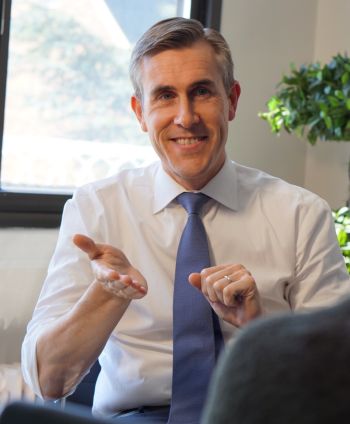
David Chauvin: Survival mode.
On Long Island, social media emerged as universal connectors during the pandemic. Besides distance learning, public-school districts used programs like ThoughtExchange, which offers platforms to raise questions and share feedback, to solicit insight from the community about capital projects and new academic endeavors.
When trade shows were canceled, Melville-based Canon USA introduced new products and services in virtual press conferences on YouTube. Canon USA is now doubling down on the power of social media with advanced, immersive hybrid-collaborative solutions.
To think that once-mighty innovators like Meta are incapable of that same kind of disruptive evolution, just because their most recent major innovation hasn’t taken off, seems shortsighted.
I don’t think most of us truly understand just how pervasive social media are. The Town of Hempstead uses its robust social network of more than 14,000 followers to share real-time weather and traffic updates. The Town of North Hempstead uses social media to distribute essential public-service messages.
The incredible podcast series that explore Long Island – including Innovate Long Island’s Spark podcast and the Babylon Industrial Development Agency’s Economically Speaking – are another level of connection and content made possible by social media.
Maybe you don’t spend as much time scrolling Facebook, now that your uncle is sharing those delightful memes. But do you use Facebook to log in to Spotify or eBay? Do you communicate on Facebook-owned What’s App? If you still have a Facebook account, chances are it’s used to log in to numerous websites and apps – including some you’re probably not aware of.
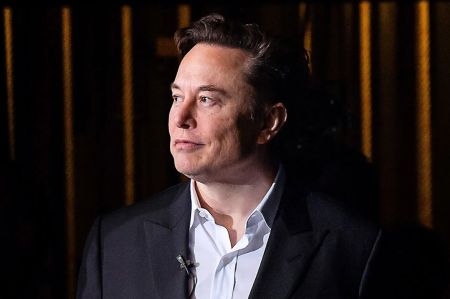
Musk-proof: It will take more than Elon’s follies to bring down social media.
Not so easy for companies that ingrained in daily life to disappear.
But the biggest reason I don’t see social media fading away, at least not yet: What will replace them?
When dominant brands fade away, it’s usually because something better has usurped them. Sears went under for a litany of reasons, but the biggest was Amazon coming along and doing everything.
I don’t see an “Amazon” to social media’s “Sears” just yet. Much to by personal chagrin, it won’t be a triumphant return of traditional media.
Newsday, for instance, has made incredible inroads on multiple social platforms through Newsday Live, but it still relies on the power and audience of the big social platforms. Meanwhile, more than 350 newspapers have closed since the start of the pandemic, with local papers now shutting down at a rate of two per week. And how many people under 40 do you know who still watch broadcast television?
Millennials and Generation Z grew up getting their news and information from new media – from influencers on Instagram, Twitter and other social media. And the importance of these generations as consumers and trendsetters only grows each year.
They’ll be looking to engage with content somewhere. If nothing comes along to replace social media, they’re still going to go to social media – no matter how much money Mark Zuckerburg sets alight on his misguided Metaverse journey.
Whether or not the continual survival of social media is a good thing is certainly up for debate. But while I may not love them, I’m definitely not ready to write off social media.
David A. Chauvin is executive vice president of ZE Creative Communications.