By JACI CLEMENT //
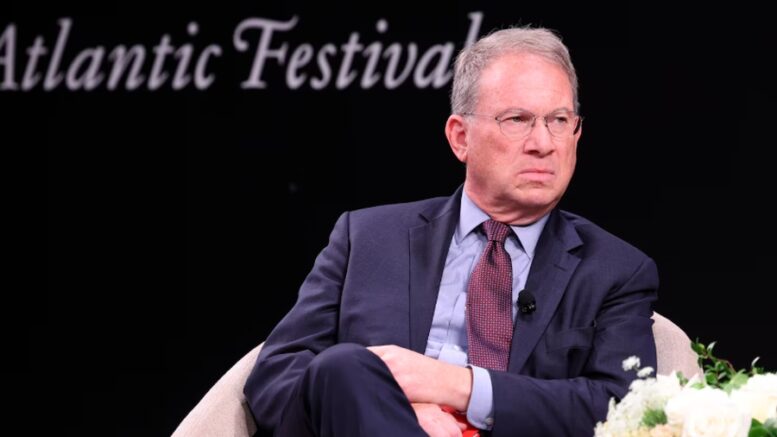
Jeffrey Goldberg found himself smack in the middle of a national security blunder – and responded like a journalist from another era.
 When The Atlantic’s editor-in-chief was mistakenly added to a Signal group chat by National Security Adviser Michael Waltz, he was suddenly reading real-time war planning. By now, you know that the chat revealed launch windows, intelligence updates and commentary from the U.S. secretary of defense, the director of the Central Intelligence Agency and even the Vice President.
It was sensitive, time-critical information that never should have been outside secure channels. In journalism circles, Goldberg had landed the kind of scoop that turns newsrooms green with envy.
But Goldberg didn’t tweet it. He didn’t publish the raw transcript. Instead, he did something pretty remarkable in today’s landscape: He paused.

Jaci Clement: Sensitive information, handled with care.
He weighed the public’s right to know against the dangers of disclosure. He asked questions. He waited. And he withheld the kind of operational details that could have compromised missions or gotten people killed.
What he did next is where this story turns from alarming to instructive.
He didn’t post screenshots. He didn’t rush to break the Internet with algorithm-chasing headlines. He practiced what can only be described as old-school journalism – an ethic rooted in the public interest and professional restraint.
And that’s what separates him from a new breed of content creators who only understand the neediness of the digital landscape.
A new generation of journalists has come of age idolizing transparency warriors like Julian Assange and Edward Snowden. For them, the default button was always to err on the side of publishing.
Assange would’ve published everything. Snowden would’ve selectively released details through a trusted outlet, after carefully weighing global impact – and likely accompanied it with a video to explain the stakes.
Goldberg chose something different: the path of editorial judgment. In a media environment driven by clicks and speed, he chose ethics over immediacy.
And for that, he’s under fire.
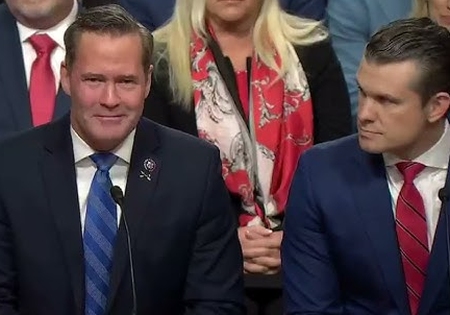
Return fire: National Security Advisor Michael Waltz (left) and U.S. Secretary of Defense Peter Hegseth committed the breach, but would prefer you blame the journalist who did the right thing.
That’s the irony: In a moment when real recklessness occurred at the highest levels of government – sharing war plans over unsecured channels – the journalist who handled the breach with care is the one facing scrutiny.
Why? Because today, publishing is seen as proof of bravery. Restraint is seen as bias. And, evidently, not going viral is the equivalent of a moral failure.
But let’s be clear: The scandal here wasn’t caused by The Atlantic. It was caused by top government officials treating Signal like a secure briefing room. That’s the real breach.
Goldberg just happened to be the one who received the invitation. And instead of exploiting the moment, he protected the story – and the people in it.
When he finally published the contents, it was after the danger had passed and in direct response to misleading public statements. Again, he faces fire, for making decisions that serve the public interest.
This situation wasn’t a leak. It was a crisis of competence. And the fact that it didn’t end in disaster is thanks to a journalist who still understands the difference between access and abuse. After all, journalism isn’t just about what you know. It’s about what you do with it.
And in this case, what Goldberg did was model the best behavior of a journalist – exhibiting the kind of judgment, responsibility and moral clarity you’d want in a President, when you think about it.
Jaci Clement is the CEO and executive director of the Huntington-based Fair Media Council. This commentary was originally published on the FMC website, used here with permission.