By JASON JANAWSKY //
In recent years, restaurant operating costs have soared – making it harder for companies to innovate and adapt as customer expectations evolve.
 Food and beverage service is already a low-margin industry, and one of the biggest and most unpredictable costs we face is insurance. Those increases are, unfortunately, increasingly driven by fraud and opportunistic lawsuits.
But several proposals at the state and federal levels offer some relief to local entrepreneurs, their customers and their wholesale and delivery partners.
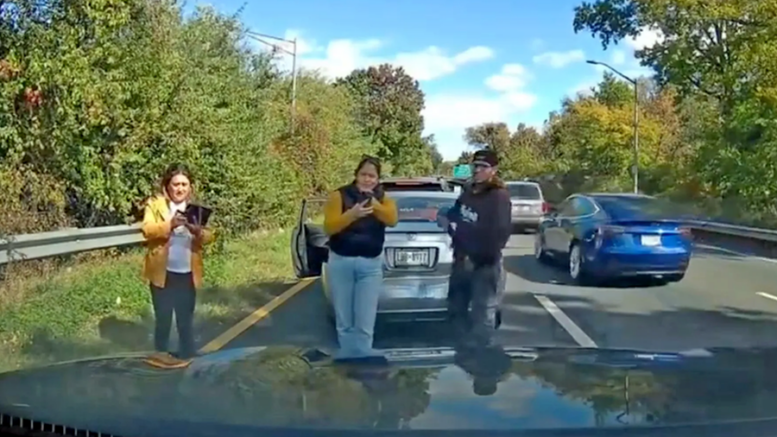
The urgent need for these fixes is clear: FedEx recently filed a racketeering lawsuit against doctors and lawyers alleging they colluded to recruit individuals to intentionally cause car accidents, fake injuries and fabricate medical imaging, all to boost the value of insurance and lawsuit payouts. These schemes are on the rise, and they’re causing insurance costs to balloon.
Restaurants are required to carry a range of insurance policies, as are the vendors they rely on. When insurance premiums rise for the companies that make deliveries for distributors – or for services like Grubhub or Uber Eats – those costs are passed on to customers.
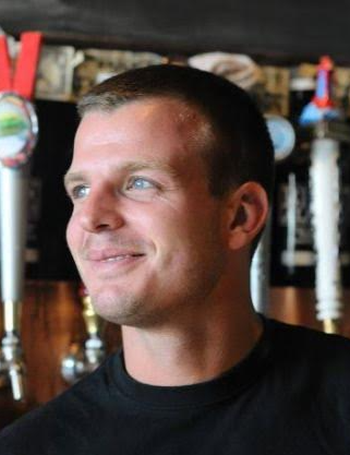
Jason Janawsky: Insurance assurance.
Taxis and rideshare companies are in the same boat – and as these prices climb, customers often cut back on nights out altogether. In this way, rising insurance prices create a ripple effect across the entire economy.
Bad actors look for vehicles with a company logo, whether it’s a neighborhood pizza shop, trucking company, last-mile delivery service or a rideshare driver. For these fraudsters, a company logo translates to dollar signs – high-limit commercial insurance policies that make these vehicles attractive targets for staged accidents and lucrative lawsuits.
It’s not just happening on our roads. At every turn, dishonest litigation practices have transformed into a high-profit business model. In 2023, New York doctors and lawyers were sentenced to more than eight years in prison for orchestrating a $31 million trip-and-fall fraud scheme.
Insurance fraud creates a painful chain reaction for all policyholders. New York drivers pay an average of $4,000 a year for auto insurance – more than $1,500 above the national average. And the situation is getting worse. In late 2025, rideshare services were notified that rates could increase by as much as 25 percent over the next three years.
To rein in these abuses, Gov. Kathy Hochul has proposed a slate of reforms to tackle fraud, fix our liability laws and hold dishonest doctors and lawyers accountable. Unfortunately, she’s facing an uphill battle as the state’s powerful trial lawyer lobby pressures lawmakers to oppose these reforms.
For the benefit of all New Yorkers and the local economy, I hope to see Albany get on board with these proposals. In Florida, where similar reforms have been enacted, families are already seeing savings of around $400 a year.
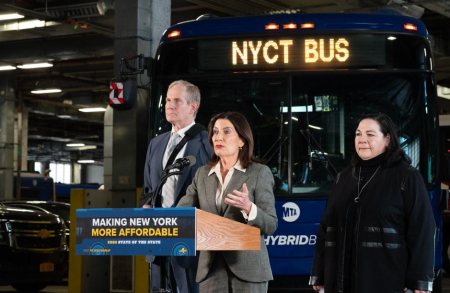
Fake out: Governor Hochul is leading the charge against insurance fraud — but deep-pocketed resistance is mounting.
Congress should follow Hochul’s lead by building on existing solutions. In 2005, Congress took a commonsense step to rein in this same problem, which was then plaguing rental car companies. The reform ensured rental and leasing companies would only be held liable for their own negligence, not simply for owning a vehicle involved in an accident.
With rideshare drivers and delivery services navigating a flood of fraudulent claims, Congress must extend similar protections to these platforms. Doing so would close a costly loophole, reduce unnecessary litigation and help stabilize insurance rates – all while ensuring that legitimate victims can still pursue justice.
As a small-business owner, I want people to be able to afford a safe ride to dinner, to work, to school, or home again after a night out with friends and family. When fraud drives up insurance costs, everyone pays – restaurant owners, delivery drivers, workers and each and every household.
Albany and Washington should act now so local businesses can invest in our communities, improve service and scale our operations – instead of absorbing the cost of fraud and abusive legal tactics.
Long Island native Jason Janawsky is an entrepreneur with businesses across Long Island and New York City, including At The Wallace, The Honey Well, The Wayward Kitchen & Cocktails and Bodhi’s Beach Shack.