

By TERRY LYNAM //
With colder temperatures becoming the norm, Long Islanders have been cranking up the heat, grabbing heavier jackets and bracing themselves for the Winter ahead.
 Regardless of whether the Super El Niño moderates temperatures this coming season, if you’re one of the estimated 4,500 people who are homeless in Nassau and Suffolk counties, life gets a lot more complicated this time of year. Based on 2025 data, Long Island was one of 11 statewide regions that saw their homeless population rise more than 10 percent from the prior year, with the cost of housing, food, gas and other necessities squeezing people living on the fringe.
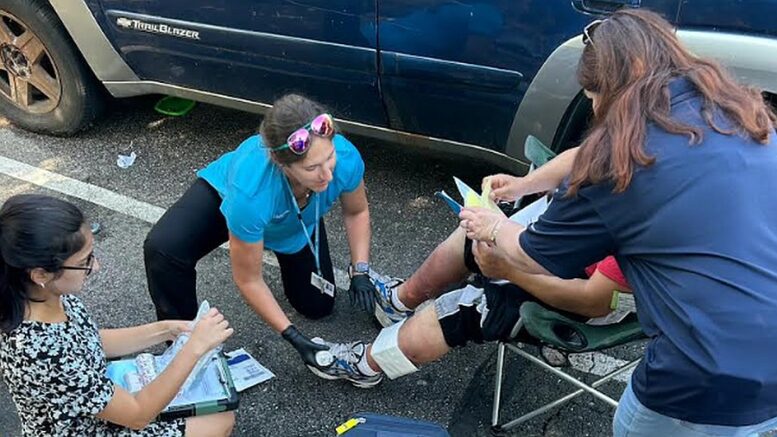
Recognizing that the homeless face higher rates of chronic illness and mental-health issues, including substance use disorders, Northwell Health in May 2024 created Street Medicine, one of the health system’s most innovative community-outreach programs.
“Every day is an emergency situation for them,” said Nurse Practitioner Mary Mahoney, the Street Medicine program’s vice president of operations “They live day to day. They don’t think a week from now, a month from now. They think the next 24 hours.”
With colder temperatures setting in, she added, “We tend to worry about them more because (the cold) will exacerbate their medical conditions.”
Partnering with the Long Island Coalition for Homeless, Riverhead-based Maureen’s Haven, Hempstead-based Mary Brennan INN, Central Islip-based Hands Across Long Island and the Family Service League and Risewell Community Services, both in Wyandanch, Street Medicine’s six full-time staffers and a cadre of volunteer physicians, nurse practitioners, nurses and other caregivers connect with homeless men and women in 70 communities throughout Long Island.
Terry Lynam: Street smarts.
Despite the prevalence of shelters on Long Island, many shy away. Most are living in cars parked outside shopping malls or in commuter lots at train stations; others brave the elements in parks or isolated encampments in the woods.
For the Street Medicine team, the first step is assessing people for any underlying medical conditions and wounds and – especially this time of year – providing blankets, socks and other clothing. Flu vaccinations, water, food and hygiene kits are also priorities.
“Our goal is to connect them with primary care as much as possible and specialty care if they need it,” Mahoney said, noting that many people who are homeless end up in emergency rooms when they do get sick or injured.
“People living on the street have the same chronic conditions you would expect as you age, but it’s worse for them, in higher numbers,” she added. “So, we try to help them maintain as healthy of a lifestyle as they can. We try to educate them, help them with their medications.
“We try to help them become healthier versions of themselves.”
A large number of them are age 65 and over, making their health risks especially perilous. “Many have worked their whole lives, have pensions and social security, but just couldn’t afford their housing, food and other expenses,” Mahoney noted. “Many also have a story – they went through a terrible divorce or some tragedy in their life.”
Mental illness and substance abuse are common. Since Northwell started the program two years ago, Street Medicine staff have had 544 patient interactions and arranged for 14 hospitalizations, as well as 135 referrals for follow-up medical care – including psychiatric and substance-abuse treatment.
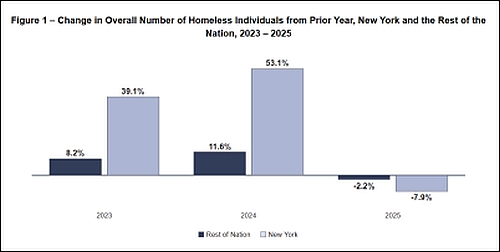
Local issue: While statewide homelessness actually dipped between 2024 and 2025, it’s risen — dramatically — in Nassau and Suffolk counties. (Source: New York State Comptroller’s Office)
Especially this time of year, many are eager to find a place to live. To help make that happen, the Street Medicine team performs medical and psychiatric assessments as well as the bloodwork orders and follow-ups needed by the Long Island Coalition for the Homeless to submit applications for state-funded and county-managed housing.
A primary resource is the Single Point of Access Adult Housing program, which matches clients to appropriate living quarters based on their medical needs. To date, Northwell’s documentation support has helped 36 people find housing, working in conjunction with LICH.
To help the homeless achieve some level of self-sufficiency, another goal is to help them find jobs. The Street Medicine staff has connected seven people to Northwell’s talent-acquisition specialists, who help them create resumes, give them tips on how to conduct themselves during job interviews and arrange for appropriate clothes they can wear when meeting prospective employers.
“People having a tough time of it should not be shut out from access to even the most basic health needs,” said Debbie Salas-Lopez, executive vice president of Northwell’s Institute for Community Health & Wellness. “Street Medicine provides that helping hand and lends an ear.
“Being heard can be therapeutic,” Salas-Lopez added. “Getting help can be lifechanging.”
Click here to support the Street Medicine program.
Terry Lynam is a communications consultant and former senior vice president/chief public relations officer for Northwell Health.




Be the first to comment on "Northwell’s Street Medicine warms up as Winter looms"