By TERRY LYNAM //
While economic woes and the war in Iran may be voters’ biggest concerns heading into the midterm elections, healthcare is also emerging as a key issue in major swing and battleground states.
 A growing chorus of progressive candidates is calling for universal healthcare and other policy changes aimed at lowering healthcare costs. Recognizing that affordability is a top issue for voters, Democrats are railing against Republicans for embracing President Donald Trump’s signature domestic policy law.
Approved last year by the GOP-controlled Congress, the One Big Beautiful Bill cut nationwide Medicaid and food-stamp funding by more than $1 trillion over the next 10 years. New York State alone is estimated to lose $15.4 billion annually in Medicaid funding over the next decade.
In response, Gov. Kathy Hochul’s administration was forced to reduce income eligibility for the New York State of Health Essential Plan from 250 percent of the federal poverty level to 200 percent, which equates to $31,920 for individuals. The state program provides comprehensive health coverage with no monthly premiums or deductibles.
As a result of the federal cuts, nearly 450,000 New Yorkers in that higher income bracket lost access to Essential Plan coverage, including more than 63,000 Long Islanders – about 10 percent of the nearly 624,000 Medicaid enrollees in Suffolk and Nassau counties.
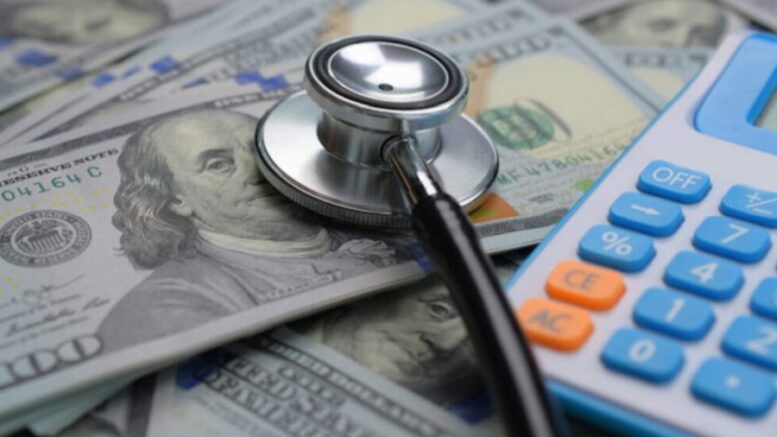
Terry Lynam: Cost calculator.
As of Aug. 30, nearly 197,000 state residents had enrolled in other government-funded programs, while more than 59,000 signed up for qualified health plans offered by private insurance companies – paying premiums up to 28 percent higher, according to the state.
Democrats also believe Republicans are vulnerable in red and swing states for allowing enhanced Obamacare subsidies to expire at the end of last year, which resulted in at least 3 million fewer people enrolling in Affordable Care Act marketplace health plans this year – down to 19.2 million nationwide from a historic high of 21.8 million in 2025.
In 49 of 50 states (plus the District of Columbia), ACA enrollment declined. New Mexico was the only state to fully replace the federal government’s expired enhanced premium tax credits with state-funded subsidies, while 10 Republican-leaning states (mostly in the South) had the highest percentage of people receiving Obamacare subsidies.
All 10 states voted for Trump in 2024. Democrats hope this will help flip some Congressional seats their way.
To counter Democrats’ attacks about healthcare cuts, Republicans in swing districts ran ads this summer leaning into their efforts to reduce waste, fraud and abuse in government healthcare programs.
Among those barnstorming the country to highlight the crackdown are Vice President JD Vance (who leads a Trump-appointed anti-fraud task force created in March), U.S. Centers for Medicare & Medicaid Services Administrator Mehmet Oz and Health & Human Services Secretary Robert F. Kennedy Jr. Officials from the U.S. Department of Justice and numerous other cabinet members have also taken up the cause.
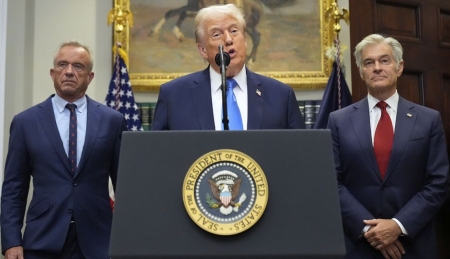
Team Trump: Among the loyalists selling President Trump’s anti-fraud message are Robert F. Kennedy Jr. (left) and Mehmet Oz.
While national in scope, enforcement efforts have taken direct aim at numerous Democratic-run states, including Minnesota, California and New York, withholding billions of dollars in Medicaid funds for what administration officials call slipshod enforcement.
This Summer, the Trump administration said it would suspend millions of dollars in federal funds for New York’s Medicaid Fraud Control Unit (until Sept. 30), claiming it was not securing enough criminal indictments and convictions – a decision condemned by State Attorney General Letitia James.
Among the Centers for Medicare & Medicaid Services’ targets are hospice, home-health and durable medical equipment providers, which the agency considers a major source of fraudulent activities. In May, it instituted a nationwide six-month moratorium on enrolling those providers in Medicare.
Earlier this week, Oz ratcheted up the rhetoric, claiming Medicare and Medicaid fraud is costing U.S. taxpayers about $100 billion annually.
For its part, in June, the Justice Department announced the arrest of 455 people, including 90 doctors and other medical professionals, on a range of charges involving illegal billing, kickbacks and false claims totaling $6.5 billion. In August, the department announced additional arrests for alleged Medicaid home-health schemes.
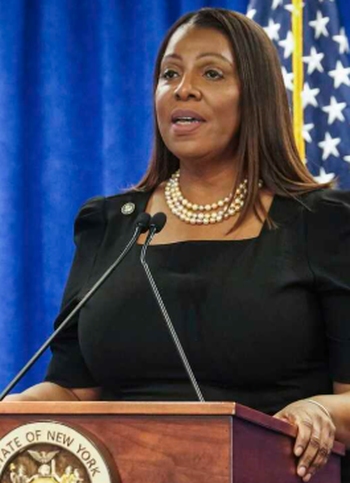
Letitia James: Trump’s “unprecedented attack on New York” is a “political distraction.”
Meanwhile, in another effort to combat criticism over healthcare cuts and appeal to the Republican base, the Trump administration is touting the $50 billion in funding announced late last year to strengthen and modernize healthcare in rural communities nationwide, including $212 million for New York.
It’s still too early to know to what degree Democrats’ healthcare affordability message or Republicans’ fraud claims will resonate with voters. But there is growing consternation among Democrats on whether to advocate for progressive healthcare platforms like universal health care – a system where the government acts as the single public insurer for healthcare, rather than private companies.
Democratic leaders have not embraced the idea, but numerous progressives championing Medicare-for-all policies claimed victories this Summer against moderate Democrats in primaries in Michigan, Colorado, Florida and New York. All three candidates endorsed by New York City’s democratic socialist Mayor Zohran Mamdani won House primaries in NYC against opponents supported by Democratic Party leaders, including two incumbents.
Whether Democrats will fully embrace universal healthcare in the 2028 presidential election will likely hinge on how high-profile progressives like Michigan Democratic Senate nominee Abdul El-Sayed fare in that state’s general election.
In the meantime, the next two months will be political bedlam.
Terry Lynam is a communications consultant and former senior vice president/chief public relations officer for Northwell Health.