By DAVID A. CHAUVIN //
One of my favorite commercials of all time comes from the 1990s “Got Milk?” series.
 In it, a young historian in a museum dedicated to Alexander Hamilton receives a phone call from a radio station, offering him $10,000 if he can correctly answer a trivia question about Hamilton. The problem is, he can’t speak, because he’s just taken a huge bite of peanut butter sandwich – and he’s out of milk!
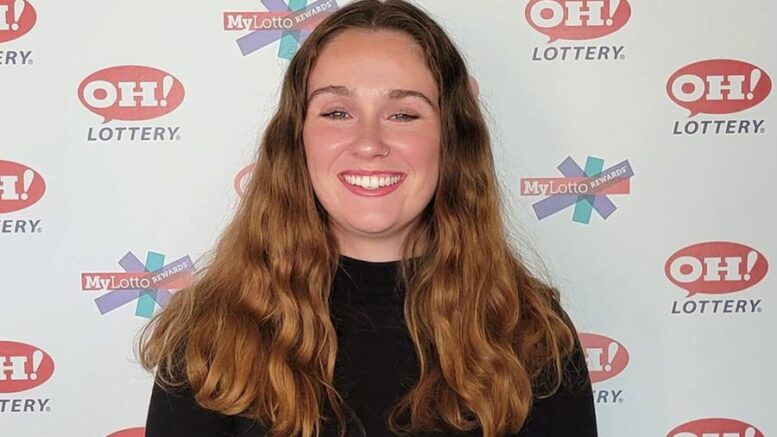
The American history buff in me can feel the main character’s agony (if the actor didn’t receive a Clio Award, I no longer have faith in the system). Thankfully, Abigail Bugenske learned from this poor sap’s mistake and made sure she was able to eloquently answer the call last week, when Ohio Gov. Mike DeWine phoned to inform her she was the first winner of the state’s $1 million Vax-a-Million lottery.
Bugenske is one of several people who’ve benefited from the incentive programs sweeping the country, encouraging people to get a COVID-19 vaccine. With vaccines universally available and millions already inoculated, cities and states are finding that supply suddenly outweighs demand, and now comes the hard part: building trust among those who have not yet been vaccinated, and encouraging those who lack access – or who are hesitant – to do so.
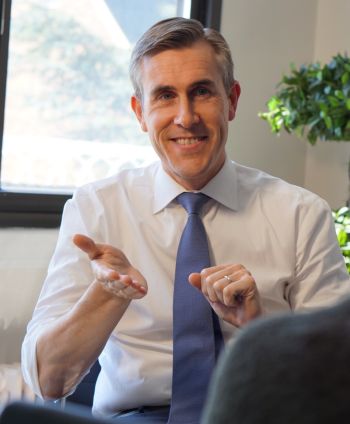
Chauvin: Getting to the “why” in COVID-19 vaccine incentives.
Ever since Krispy Kreme started giving out free donuts to the vaccinated, it seems another insane enticement is announced every other day – free scratch-off lottery tickets, a shot at free college tuition, a new car, even free guns. From new millionaire Bugenske’s perspective, these incentive programs are great.
But from a branding perspective, it’s hard to say if they benefit the state any more than a tradeshow booth that offers a chance to win an iPad just for scanning your badge. No matter how quixotic or beneficial the incentive may be, it isn’t going anywhere unless it fits the brand’s overall message – and it’s presented to the public in a way that resonates effectively.
Suffolk County – along with the State of New Jersey and countless other municipalities – has announced partnerships with local bars and restaurants, offering complimentary drinks to adults in exchange for getting vaccinated. It’s part of an overall campaign that focuses on the things that matter most to residents: a mask-less reopening of the economy, reunions with family and friends.
Nassau and Suffolk county administrators have been steadfast in their community advocacy and local-business support, so this campaign isn’t out of the blue: It’s part of the theme that’s been building up for years, and especially during the pandemic.
Analyzing the have-a-drink incentive at face value, it offers tangible value for each person, as opposed to a long-shot chance of being the one person who benefits. It also speaks to the real reason to get the shot: public health and public safety. Coating the vaccine in anything else weakens the narrative about its importance.
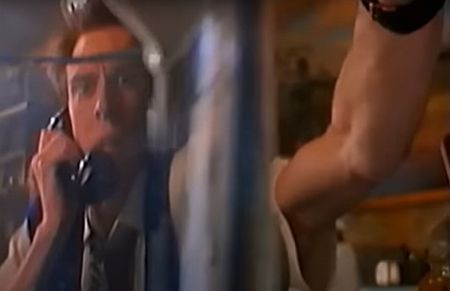
Milking it: And we’ve still got it, three decades later.
People don’t buy into what you do, they buy into why you do it. A complimentary drink isn’t just about saving patrons a few dollars; it’s about getting people into the door and emphasizing that the vaccine is a step on the path to normalcy. Get vaccinated and go have a drink with your friends who are also vaccinated – just like you did before the COVID-19 pandemic changed everything.
The lines that once separated public relations from the rest of the marketing industry are more blurred than ever. Everything a brand does in the public space influences the way it’s perceived by its target audience. That’s why it’s critical for campaigns to be connected to the brand’s overall message. It’s why brands like Uber and Lyft are providing free or discounted transportation to and from vaccination centers, rather than a lottery for a Caribbean vacation – because it’s more in line with their platform’s message. It’s the same reason Chuck E. Cheese used to offer free game tokens to kids who showed strong report cards.
Make the incentive part of the narrative, and it will strengthen the way the brand is perceived. But separate the two, and it’ll be seen as a gimmick.
To be clear, I wouldn’t be upset if I got a random call from the governor informing me I’d won $1 million or a new car. But other efforts encouraging people to get vaccinated are so much more valuable, and it’s essential that they’re done well. Three decades later, I still make sure I always have enough milk in the fridge, just in case.
David A. Chauvin is executive vice president of ZE Creative Communications.