By DAVID A. CHAUVIN //
With only 11 days until Election Day and the exhausting, omnipresent punditry aiming to push voters to the polls, it’s important to remember that politics is not the only game in town: There are plenty of equally disastrous things that need to be analyzed as they scroll across your Instagram feed.
 For instance, the hilariously terrifying reestablishment of the Fyre Festival.
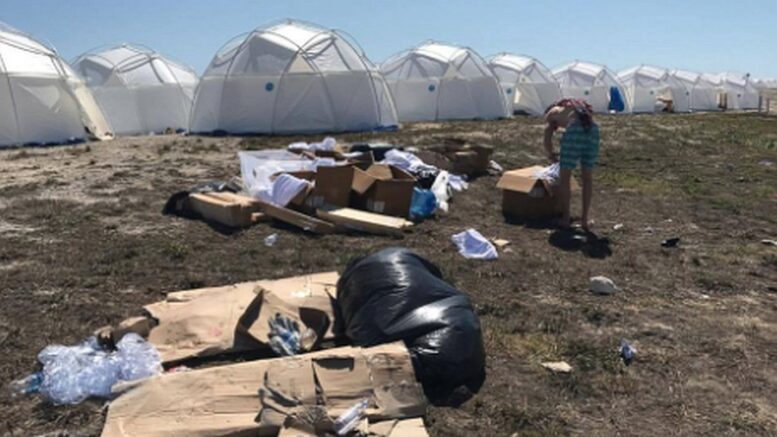
In 2017, Fyre Festival quickly became one of history’s most infamous event failures. Marketed as a luxurious music festival – private island, gourmet food, high-end accommodations – it was a complete disaster.
Attendees arrived to find a disorganized mess of soggy tents, lackluster meals and transportation chaos. The festival, pitched as a once-in-a-lifetime experience, became a cautionary tale of over-promise and under-delivery, immortalized through documentaries, memes and relentless social media ridicule.
And now here’s Billy McFarland, the hoaxer behind the original event, who was convicted on fraud charges and served four years in prison, betting that the very thing that destroyed his reputation will fuel a mighty comeback.
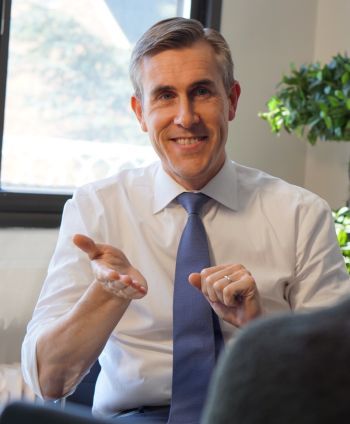
David Chauvin: Dumpster Fyre.
Welcome to Fyre Festival II, which is (supposedly) happening – and astonishingly, despite numerous red flags, may actually succeed.
Notoriety has cemented Fyre Festival in the pop culture lexicon. The spectacle was far more interesting because of its failure than its potential success. Social media virtually exploded with disastrous images, from the infamous “cheese sandwiches” in their Styrofoam containers to videos of stranded festivalgoers. Netflix and Hulu documentaries lambasting the festival turned it into a full-blown cultural phenomenon.
McFarland seems poised to use this viral infamy to draw interest from fans, skeptics and curious onlookers alike – and so far, it looks like it’s working. The date and location for Fyre Festival II have reportedly been set. Hundreds of tickets, ranging from $500 to $1.1 million, have been sold, even though no performers have been announced.
The curiosity surrounding the event is undeniable. So, can it actually rise from the ashes of failure, or is it doomed to repeat history?
McFarland is clearly betting that the public’s fascination with the previous disaster will generate interest this time around. Fyre Festival II doesn’t need to be perfect; it just needs to happen.
In today’s social media-driven world, attention is the new currency. Nothing garners attention quite like a dumpster fire. Fyre Festival I is unforgettable precisely because it was a monumental disaster. People remember it and share stories about it, years later, and this is the cultural impact McFarland hopes to tap into. The event’s reputation, for better or worse, guarantees that people will pay attention this time around.
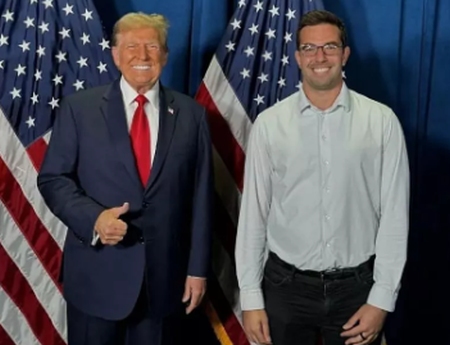
Birds of a feather: The notorious fraudster and convicted felon, alongside Billy McFarland.
There’s an entire market for experiences that ride on the edge of chaos. People are often drawn to events that could potentially fail, simply because they want to witness the spectacle. Fyre Festival II could attract a crowd that’s simply curious to see if the event can pull itself together – or, even better, if it will crumble again, offering them front-row seats to a disaster in the making.
This “so-bad-it’s-good” phenomenon has worked in other industries, particularly film, where cult classics often emerge from failures (witness the “Sharknado” franchise). Fyre Festival II could follow this same trajectory, becoming a must-see event because of its sheer uncertainty.
McFarland, who has been teasing the festival’s return (and his support for Donald Trump) on his social media platforms, seems to understand this strange dynamic. Rather than shying away from the festival’s embarrassing past, he’s leaning into it. His Instagram account is full of posts referencing the infamous first attempt, drawing on the memory of the festival’s flop to keep people engaged.
This transparency actually makes Fyre Festival II more appealing. People appreciate authenticity, even an authentic admission of previous mistakes.
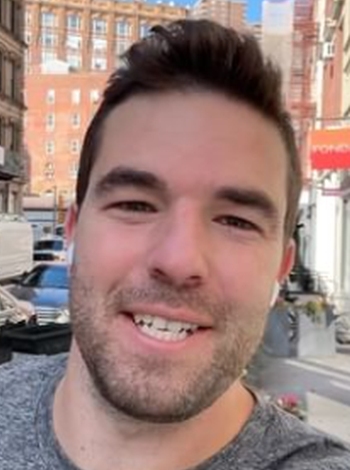
Billy McFarland: Fool you once…
Of course, there are major logistical hurdles to clear. Trust in convicted felon McFarland as a reliable organizer is nonexistent. To succeed, he’ll need to build an infrastructure that ensures the festival meets basic expectations. And even with the attention the event is surely drawing, people will be hesitant to buy into it without seeing some real changes in how it’s planned and executed.
The challenge McFarland faces is not just leveraging the viral appeal of the first festival’s failure, but also ensuring that Fyre Festival II isn’t a repeat fiasco.
If he manages to deliver even a reasonably well-executed event this time around, the buzz from the first festival’s failure could turn Fyre Festival II into a surprise success. The very thing that should have sunk the Fyre brand could be what makes it popular again.
In the Social Media Age, where virality is often more important than quality, Fyre Festival II stands a chance of capturing attention for all the right and wrong reasons. Ultimately, it represents the strange reality that failure is sometimes more memorable than success – and if you can control the narrative, you can turn even the most notorious disaster into an opportunity.
Whether Fyre Festival II succeeds or fails, one thing is certain: People will be watching.
David A. Chauvin is executive vice president of ZE Creative Communications.