By JERRY BALENTINE //
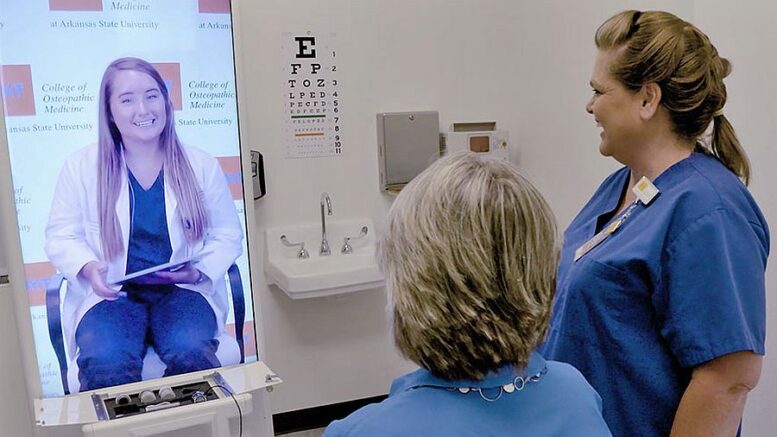
Telemedicine is revolutionizing how we deliver healthcare and expanding access to medical services for patients throughout New York State – now, more than ever doctors, specialty practices and patients alike are taking advantage of all the healthcare benefits wireless communication has to offer.
 This includes video appointment services, managing online bills and tracking an individual patient’s health and progress. But without universal broadband and highspeed mobile connections, not everyone can take advantage of these resources.
All telemedicine communication depends on the radio spectrum to connect devices together. Without this technology, the ability to communicate via remote devices would be impossible.
Unfortunately, the Federal Communications Commission’s spectrum authorization has been allowed to expire.
The FCC previously held the authority over commercial spectrum use. Since this lapse, no new spectrum is being allocated, hurting wireless connectivity across the country, including those who rely on telemedicine services for their healthcare.
My experience working in underserved areas has made me a strong advocate for equal access to quality medical care and offered insight into the important role remote care plays in making “healthcare deserts” a thing of the past. From the most urban environments to the most distant rural regions, patients are empowered by telehealth to connect with experts and mental wellness providers who would generally be out of reach.
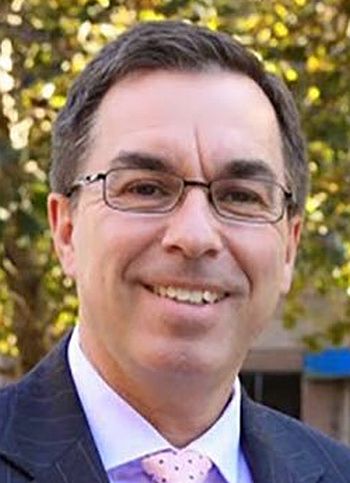
Jerry Balentine: Telehealth for all.
Virtual meetings are no longer a new or awkward way of connecting or delivering information. As a society, we no longer think twice about online meetings in a business setting – and that applies to healthcare settings, too.
In fact, depending on the reason for the visit, some patients and providers even prefer telemedicine, which can improve the efficiency of care and eliminate unnecessary boundaries that create logistical obstacles to service in a traditional doctor’s office or hospital facility.
Telehealth is an undeniable mainstay that allows for flexibility, accessibility and convenience while serving patients in need of care. The existence of digital networks and platforms that make this possible and the diversity of services offered online in the healthcare industry are only just emerging. Across the state, telehealth is changing what it means to “visit a doctor.”
This revolution did not begin with the pandemic, but the pandemic accelerated adoption: According to a 2021 survey from Amwell, 94 percent of all clinicians report using telehealth today – well above pre-pandemic levels – with 82 percent citing improved access as one of the top benefits.
As telehealth, virtual appointments and emergency and preventative medicine evolve, next-generation 5G technology is breaking barriers in the space by connecting more individuals in need to both traditional avenues of medical care and mental-health services.
This connectivity and innovation is too important to be stifled, but the foundation of these digital connections is at risk.
It is vital that Congress acts now to reauthorize the FCC’s ability to distribute new spectrum and provide a spectrum pipeline for future technological advances. The progress of telehealth and closing the digital divide within the healthcare sector both depend on it.
Next-generation 5G wireless technology is improving our ability to connect, communicate and share information. Ensuring accessibility to the remarkable breakthroughs in the telemedicine space is necessary to better the health of New Yorkers and ensure equitable healthcare outcomes in our communities, no matter where they are.
Jerry Balentine is the provost and executive vice president at the New York Institute of Technology in Old Westbury. He is board-certified in emergency medicine.