By JEFFREY REYNOLDS //
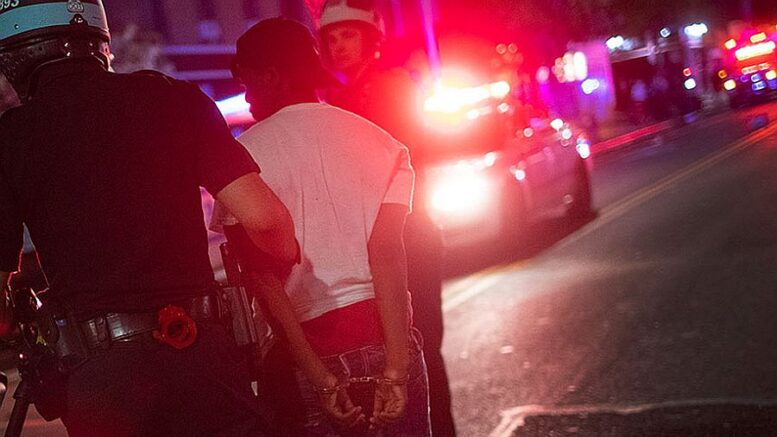
Yet another shooting by police of an unarmed black man – 20 miles away from the Minnesota courthouse where fired cop Derek Chauvin is on trial for murder in the death of civilian George Floyd – has driven protestors back into the streets.
 And once again, the systemic problems plaguing our nation’s criminal justice system are laid bare.
A steady stream of police bodycam footage and amateur videos has shed light on catastrophic contacts between police and civilians, especially those who are Black or Brown. Changing the outcomes of these interactions requires multiple strategies.
Both Nassau and Suffolk counties recently submitted reform plans to New York State, designed to build trust and increase transparency in their police departments. The comprehensive strategies pledge more inclusive recruitment, better training and improved handling of civilian complaints.
Crafted with stakeholder input, the written plans were required by Gov. Andrew Cuomo’s June 2020 executive order – and tied directly to future state funding.
Another recent move by lawmakers in Albany – the legalization of adult-use recreational marijuana – has been hailed by pro-pot advocates, who predict dramatic reductions in the overall number of police-civilian contacts. That diminishes the possibility of violent encounters, they say, while advancing fairness in law enforcement and promoting social justice.
Jeffrey Reynolds: Balancing act.
That would be good. According to the New York Civil Liberties Union, there were more than 900,000 marijuana arrests in New York between 2000 and 2018 – and 82 percent of them involved Black or Hispanic suspects, despite documented evidence of similar marijuana use among Whites. About 47,000 of those arrests were on Long Island, where Blacks were seven times more likely to be arrested than Whites.
Beyond the trauma of being handcuffed and placed in police car, and then being fingerprinted and photographed, low-level marijuana arrests create permanent criminal records that can be uncovered by employers, landlords, schools, credit agencies and banks. Getting a school loan, landing a decent job, maintaining a business or professional license, securing housing, even adopting a child – it all gets harder, for already disadvantaged populations.
Voting to make New York the 15th state to legalize weed, Democratic lawmakers touted the fact that 40 percent of the tax revenues from pot sales will be earmarked for social-equity purposes. They also vowed that people convicted of marijuana-related offenses that are no longer illegal will have their records automatically expunged, and that those with past convictions will be able to participate in the new legal market.
That’s more than other states have done. Perhaps this more comprehensive approach will better reduce stubborn disparities.
Washington State legalized marijuana in 2014, and a study conducted five years later found that while overall marijuana arrests dropped markedly, relative disparities grew: Before legalization, Blacks were 2.5 times more likely than Whites to be arrested, but according to the study, that rate increased dramatically after legalization.
In Oregon, which legalized marijuana in 2015, it’s been a mixed bag. A 2020 analysis found that cannabis allegations increased 28 percent among all youth, with rates highest for American Indian/Alaska Native and Black youth. Pre-legalization rates for Black youth were double that of Whites, but this disparity decreased after legalization; rates among American Indian/Alaska Native youth were higher than Whites before legalization, and this disparity was unchanged.
Racial disparities also persist in Alaska, which legalized marijuana in 2015; in the District of Columbia, where 90 percent of those arrested for marijuana offenses are Black; and in Colorado, where a 2016 study found that marijuana arrest rates among Blacks were almost three times those of Whites.
That fewer people of all races across the nation are being arrested for marijuana offenses saves precious public funds, allows police to focus on more serious crimes and increases the likelihood of successful futures for an entire generation of young people – across the board, a tremendous victory.
But let’s be clear: Marijuana legalization alone doesn’t eliminate racial and ethnic disparities in the criminal justice system.
Lawmakers in the Excelsior State aspired to do it better. Signing the marijuana-legalization legislation, the governor noted “a historic day for New York … one that rights the wrongs of the past.”
Other lawmakers echoed the sentiments, citing state and federal laws that “disproportionately target people of color” and applauding “momentous steps” against racial disparities in the long war on drugs.
Let’s hope they’re right.
Jeffrey Reynolds is the president and CEO of the Garden City-based Family and Children’s Association.