
By JEFFREY L. REYNOLDS //
Long Island’s abandoned psychiatric campuses at Kings Park and Pilgrim State have stood for decades as haunting relics of mid-20th Century institutionalization – a crumbing reminder of an era the mental-health system has worked hard to leave behind.
 Now, as Long Island endlessly debates the future of both parcels, a U.S. Department of Justice opinion may help reopen some doors most people assumed had been permanently closed – and what’s potentially waiting on the other side looks a lot like what was there before.
The DOJ’s Office of Legal Counsel issued a 39-page memo June 18 concluding that neither the Americans with Disabilities Act nor Section 504 of the Rehabilitation Act of 1973 requires states to provide home- and community-based services that, for decades, have kept Americans with severe mental illnesses or disabilities out of expensive and historically inhumane institutions.
It’s an opinion that runs counter to long-settled interpretations of Olmstead v. L.C., the landmark 1999 U.S. Supreme Court decision affirming that states must provide community-based treatment for people with mental disabilities when certain conditions are met.
That ruling – the legal cornerstone of a de-institutionalization movement that traces back to milestones like New York’s 1975 Willowbrook Consent Decree – accelerated a nationwide push to close psychiatric institutions and move people with disabilities into community settings, reshaping the entire landscape of mental health and disability services.
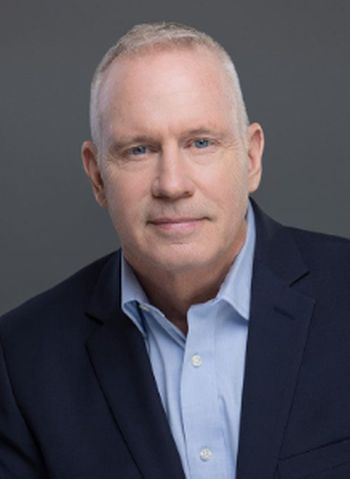
Jeffrey Reynolds: Backward steps.
In last month’s memo, Lanora Pettit – the principal deputy assistant attorney general in the Office of Legal Counsel – notes the “homelessness and crime that all too often have followed the release of potentially dangerous individuals into the community,” echoing President Donald Trump’s 2025 executive order directing federal officials to seek “the reversal of federal or state judicial precedents and the termination of consent decrees that impede the United States’ policy of encouraging civil commitment of individuals with mental illness who pose risks to themselves or the public or are living on the streets and cannot care for themselves.”
Even so, Pettit concedes what the memo cannot escape: that the current DOJ’s view of Olmstead is “out of step with the common understanding of that decision within the federal courts.”
On that point – and perhaps only that point – advocates agree.
“This memorandum is concerning because it calls into question a longstanding federal commitment to ensuring that people with disabilities have the opportunity to live in the most integrated setting appropriate to their needs,” says Marco Damiani, CEO of AHRC NYC, one of the region’s largest nonprofits serving people with intellectual and developmental disabilities. “While it does not overturn the ADA or the Supreme Court’s Olmstead decision, it represents a troubling step backward at a moment when we should be strengthening, not retreating from, the promise of full community inclusion.”
The memo doesn’t arrive in isolation. Other federal policy shifts – including Medicaid cuts and changes to funding protocols at the U.S. Department of Housing and Urban Development – threaten to deepen homelessness, particularly among people with mental health conditions, who could be swept from the streets and into institutional settings.

Taking it personally: The Trump Administration’s draconian cuts to mental-health services is having a direct — and deleterious — effect on families like Mark (left) and John Cronin.
Brian Cohen, chief executive officer of the South Shore Association for Independent Living, a Baldwin-based housing provider, calls that support the “infrastructure” that turns civil rights for people with disabilities from a promise into a reality.
“The loss of permanent housing funding is a significant step backward for Long Island,” he says, citing the HUD cuts. “It threatens the stability of our most vulnerable residents, increases pressure on hospitals, emergency services and shelters, and ultimately costs taxpayers more while producing worse outcomes.”
Half a century of work moved people with disabilities out of institutions and into their communities. The question now is whether we will keep building toward integration or begin quietly rebuilding the institutions whose empty shells still dot the landscape.
“The DOJ opinion would enforce an approach toward people with disabilities of ‘separate and unequal,’” says Mark Cronin, co-founder of Abilities Rising and of John’s Crazy Socks, the Huntington-based sock company he built with his son, John, who has Down syndrome.
“Instead of promoting inclusion, it would enforce isolation,” Cronin adds. “The potential and abilities within people with differing abilities would be devalued and destroyed.”
For this proud father, the stakes are personal.
“It would mean my son … would not have had access to an education and would never have developed to the point where he could start a business and create jobs,” Cronin says. “We would all be worse off.”
Jeffrey L. Reynolds is the president and CEO of the Garden City-based Family and Children’s Association.