By JERRY BALENTINE //
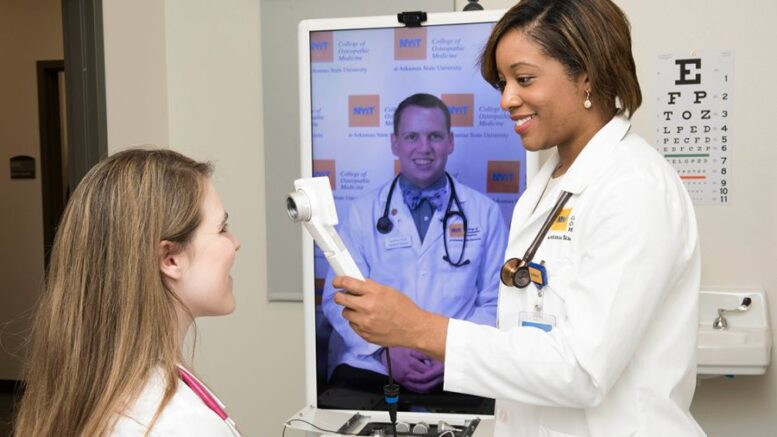
During the COVID-19 pandemic, telehealth platforms acted as a lifeline for New Yorkers to safely access medical services. The lasting effect of this increased use of digital-health services will be nothing short of a revolution – and a radical improvement in healthcare access.
 As the crisis begins to wane, providers and policymakers need to recognize that telehealth services have become a crucial element of a functioning and equitable healthcare system, especially when it comes to mental health and specialty care.
Take, for instance, a patient living with a rare disease in a remote part of the state. Barriers to accessing world-class medical facilities or specialists can be a factor in whether that patient lives or dies. It shouldn’t be this way, but studies consistently show that Americans living in rural areas are more likely to die from potentially preventable afflictions than their similarly situated urban counterparts.
According to a New York Times analysis conducted during the pandemic, more than 8.6 million Americans live more than 30 minutes from an emergency room. Other studies show that more than 100 rural hospitals have closed throughout the country since 2010.
Telehealth services can bridge that divide. Virtual medical visits can connect patients in the northernmost reaches of New York to top doctors in their fields in Manhattan or Philadelphia with the click of a button.

Jerry Balentine: Telemedicine must thrive.
Indeed, digital platforms have the potential to put an end to healthcare deserts and provide equal access to quality medical services – that is, if healthcare networks and government officials forge the right partnerships and support the telehealth revolution.
This starts with investment in rural broadband and connecting local hospitals and doctors’ offices with the resources necessary to build out their virtual healthcare capabilities.
Modernizing our healthcare infrastructure also requires updating both public and private digital infrastructure to improve efficiency, enhance security and increase capabilities to use data to offer better treatment experiences. Using data analytics and sharing medical records, imaging and test results can lead to more personalized care and streamline the patient experience.
Right now, cloud service providers like Google and Amazon are at the forefront of this revolution and provide the backbone for the various platforms and innovative med-tech startups leading the virtual healthcare charge. As such, it is crucial for elected officials and public health leaders to collaborate with these companies and support the democratization of healthcare that telehealth services can provide.
For Congress and state lawmakers, tech policy should be focused on reducing barriers to telehealth. This means rethinking proposals that could undermine the ability of cloud-service providers to operate, including policies that would upend the very structures of the companies themselves.
Increasing access to healthcare and reducing medical costs are top of mind for voters. Politicians must be uniquely aware of the unintended consequences of misguided policymaking.

Out of business: Many rural U.S. hospitals have closed over the last several years.
New York State Gov. Kathy Hochul has signaled her commitment to bolstering access to telehealth. Last year, she announced a partnership between the state and philanthropic partners – including former Google CEO Eric Schmidt – to offer grants to community health providers with innovative solutions to equitable healthcare delivery. She’s also allocated funds to expand digital healthcare services for additional treatments.
And the governor’s budget priorities included additional investments in telehealth IT infrastructure, while ensuring that medical professionals are paid the same for remote appointments as they are for in-person care.
New York City has become the epicenter of the telehealth revolution, with record venture-capital investment in healthcare startups. This burgeoning field will continue to evolve and innovate as patients and providers tailor treatment plans with a combination of in-person visits and telehealth follow-ups.
Mental health services will also continue to move online, as evidence from the pandemic suggests that 70 percent of all psychiatry visits took place virtually during the last two years.
The COVID-19 pandemic exposed many of the weaknesses and inequities in our healthcare infrastructure, among other societal issues. Telehealth services have been one of the silver linings in the dark clouds of the last two years. Policymakers, hospital administrators and innovative tech companies need to work together to ensure virtual healthcare thrives beyond the pandemic.
It is time we truly bridge the digital divide and ensure access to quality healthcare for all.
Jerry Balentine is the executive vice president and chief operating officer at the New York Institute of Technology in Old Westbury. He is board-certified in emergency medicine.