By TERRY LYNAM //
They’re often held to higher standards, but doctors and other medical professionals are mere mortals, just like the rest of us.
 Unlike the rest of us, however, physicians shoulder the added responsibility of making correct diagnoses and prescribing proper medications while also enduring long workdays and stressful crises – and always trying to find a work-life balance that carves out time for family.
Not easy. And like many of us, many medical professionals struggle with depression, burnout, substance abuse and other behavioral-health problems – issues magnified during the pandemic, when death was common in hospitals and nursing homes.
Admitting they have a problem and seeking help, those are different stories. Doctors, physician assistants, nurse practitioners and other licensed medical professionals often avoid mental-health treatment, which could jeopardize their medical licenses and future livelihoods.
The American Foundation for Suicide Prevention estimates that as many as 400 U.S. physicians die by suicide every year – a suicide rate higher than the general population’s suicide rate. Female physicians, in particular, more than double the suicide rate of other women.
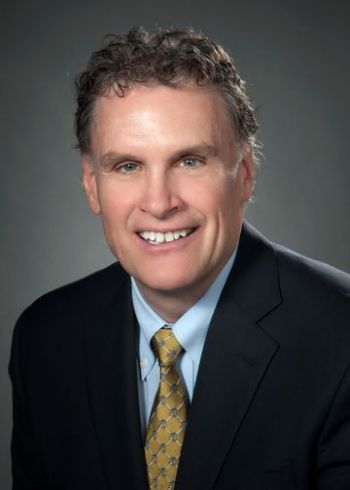
Terry Lynam: Mental space.
According to a March 2022 report by clinician-focused medical information website Medscape, about one-fifth of more than 13,000 physicians surveyed said they were depressed. Of those, 24 percent admitted to being clinically depressed – meaning they suffered from major depression not caused, for instance, by a loved one’s death – and one in 10 said they’d considered or attempted suicide.
Lorna Breen, an emergency medical physician at New York City’s NewYork-Presbyterian Allen Hospital, took her own life on April 26, 2020, during the height of the first COVID wave. Her death hit the regional medical community hard. Many other providers were struggling to persevere, with hundreds of New Yorkers – people in their immediate care – dying every day.
Recognizing that healthcare workers are still grappling with mental-health problems, President Biden in March signed into law the Dr. Lorna Breen Health Care Provider Protection Act, which authorizes the U.S. Department of Health & Human Services to award $135 million in grants over three years to hospitals, medical-professional associations and other healthcare entities promoting mental-health resiliency among healthcare providers.
Hospitals and health systems across the country have already taken action – some before the new law was enacted. In April 2021, Northwell Health established the Center for Traumatic Stress, Resilience and Recovery, specializing in the treatment of trauma-related conditions and symptoms like post-traumatic stress disorder, anxiety and depression.
Through its Employee Assistance Program, Northwell also offers a Physician Resource Network that provides confidential counseling to struggling providers. And Northwell recently started an initiative called “Connect the Docs,” wherein physicians meet for informal meals to talk about issues that are stressing them – peer-to-peer coaching that leads to confidential support networks that help physicians cope with their day-to-day challenges.
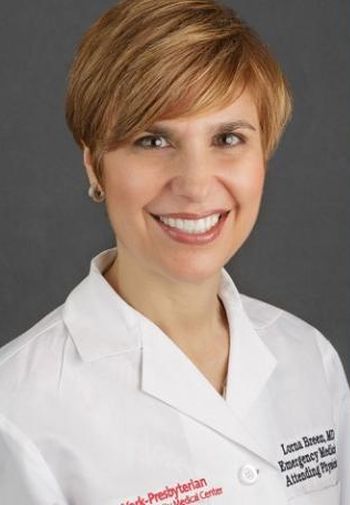
Lorna Breen: Face of a movement.
In another move designed to remove a major barrier to seeking help, Northwell this month changed the questionnaire that physicians, PAs, NPs and midwives must complete to be credentialed for hospital privileges (those already credentialed must reapply every two years).
Before now, loaded questions – such as, “Do you have a physical, mental or emotional condition, or substance abuse issue, that would affect your ability to practice or provide safe patient care?” – deterred many from answering truthfully.
In some states, like New Hampshire and West Virginia, medical credentialing boards even ask medical professionals if they’ve “ever” had such issues – asking them to admit to physical, mental or substance problems that could have occurred long before they became licensed.
Answering “yes” to such questions could prevent licensing or subject the already-licensed to intimidating scrutiny from review and assessment boards. The end result: Many simply lie when filling out the questionnaire – and if they have a mental-health or substance-use problem, often decline to seek help that could jeopardize their job.
In reexamining the health system’s credentialing questionnaire, Northwell Senior Vice President of Medical Affairs and Associate Chief Medical Officer Annabella Salvador-Kelly asked the obvious question: “Why were we calling out mental health, as opposed to any other disease?”
“If you have diabetes that’s not properly controlled, you’re just as dangerous as someone with a mental-health condition,” she added.
 So, Northwell changed that loaded question, which now reads: “Do you have a current condition, or are you taking medication, that would affect your ability to practice or provide safe patient care?”
Importantly, according to Salvador-Kelly, the questionnaire also asks medical professionals if they require “accommodations” that would enable them to address an underlying health issue – opening the door to seeking help without fear of repercussions.
Meanwhile, the Dr. Lorna Breen Heroes Foundation, a 501(c)3 nonprofit, is supporting a national campaign designed to build awareness of the mental-health issues facing medical professionals, reduce stigma, encourage innovative wellness initiatives across the healthcare industry and get these professionals the help they need.
“[Dr. Breen] was afraid to lose her license,” noted Salvador-Kelly, who personally knew the now-famous emergency-medicine physician. “She was afraid that when she had to reapply, there were going to be questions asked about whether she had a mental illness.
“The Dr. Lorna Breen Heroes Foundation has lobbied for hospitals to look at how we ask credentialing and privilege questions,” she added. “[Northwell] thought this was a great opportunity to improve our current questions.”
Terry Lynam is a communications consultant and former senior vice president/chief public relations officer for Northwell Health.