By JEFFREY REYNOLDS //
The handwritten sticky note said “2:19 p.m.,” but could have passed for “2:14,” so by 2:13 I began calculating how many seconds it would take to get from my socially distanced chair to the check-out desk.
 Then I went back to scrolling social media, fidgeting and watching the clock.
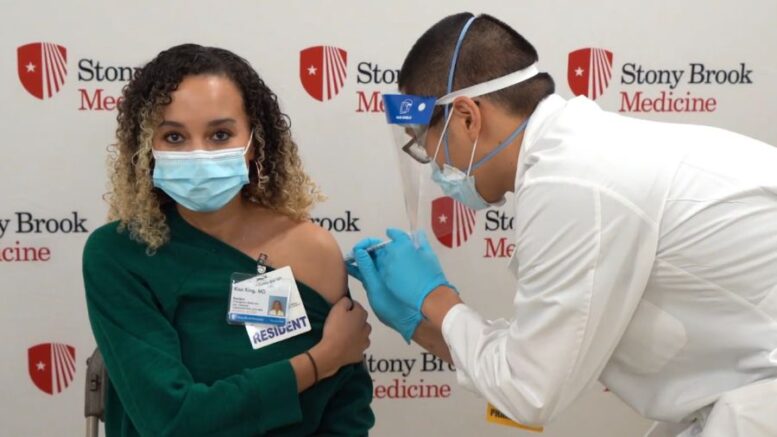
That’s how I, and pretty much everyone else lucky enough to get the COVID vaccine, passed the time on a recent afternoon at Suffolk County Community College in Brentwood, with EMTs keeping a watchful eye during our 15-minute “mandatory observation periods,” as recommended by the U.S. Centers for Disease Control and Prevention. They’re looking for rare adverse reactions to the injection. If you’re lucky, and you have a history of allergic reactions, they’ll ask you to stay for 30 minutes.
It’s actually time well spent, especially if you’re about to drive a car. But consider this: With roughly 80 million vaccines administered nationwide, Americans have now spent more than 20 million hours – the equivalent of 833,000 days – being watched. And they’ve mostly whittled away the time with vaccine-card selfies, TikTok videos and the quest for Clubhouse invitations.
Vaccinations may provide a path back to freedom. But the unprecedented illnesses, millions of deaths, job losses, economic strife, strict curbs on social interactions – it’s all had a profound effect on mental health.
More than 40 percent of Americans are reporting adverse mental or behavioral conditions, typically anxiety or depression, impacting their daily lives. More than 13 percent say they’ve started or increased drug or alcohol use to cope with the stress, and a whopping 31 percent of those caring for another adult – usually an elderly parent – told the CDC they’d “seriously considered” suicide in the prior 30 days.
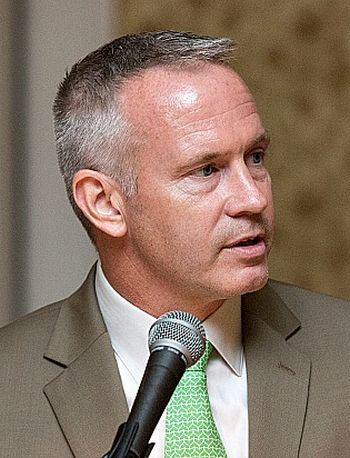
Jeffrey Reynolds: Don’t just sit there.
That’s why we should have made better use of those 80 million opportunities to quickly and efficiently screen prioritized populations – like first responders and healthcare workers – for PTSD. We could have discretely screened seniors for depression and asked them about their alcohol use. We could have asked women with children about their soaring anxiety levels and maybe offered useful referrals. There are many easy screening tools available and thousands of social workers would have volunteered to help, if asked.
We know that people who smoke, are obese or have high blood pressure face higher risk for COVID-related hospitalization, ventilation and death. Why don’t we offer blood pressure screenings or distribute free nicotine-replacement therapy starter kits to the millions of high-risk folks sitting idly in gymnasiums? They’re obviously interested in taking control of their health. Some privacy curtains and few volunteer healthcare professionals would do the trick.
The pandemic has left lots of Long Islanders unemployed, pushing hunger, homelessness and poverty to new heights. Why haven’t we invited the Island’s nonprofits to deploy staff to mass vaccination sites, where the inoculated could spend 15 fewer minutes on Candy Crush and 15 more learning about local food pantries, housing-assistance groups, childcare services, mental-health counselors and other agencies ready to help get them back on their feet?
Why haven’t we asked vaccinated-and-grateful Long Islanders to volunteer at local charities? Maybe deliver meals to shut-in seniors? Mentor an anxious kid?
This mass vaccination effort represents the single-largest public health campaign in American history. We have a captive audience and a unique opportunity to prevent and address both preexisting health conditions and a fresh mental health crisis exacerbated by the pandemic.
We may have missed our best shot – the post-injection observation period isn’t necessary for the newly approved single-dose Johnson & Johnson vaccine. But with only about 8 percent of the nation’s eligible population vaccinated, there are still millions and millions of innovative opportunities to offer patients critical information, support and access to community resources.
We can still help protect them and their families from the life-threatening conditions for which there is no vaccine.
Jeffrey Reynolds is the president and CEO of the Mineola-based Family and Children’s Association.