By MICHAEL H. SAHN //
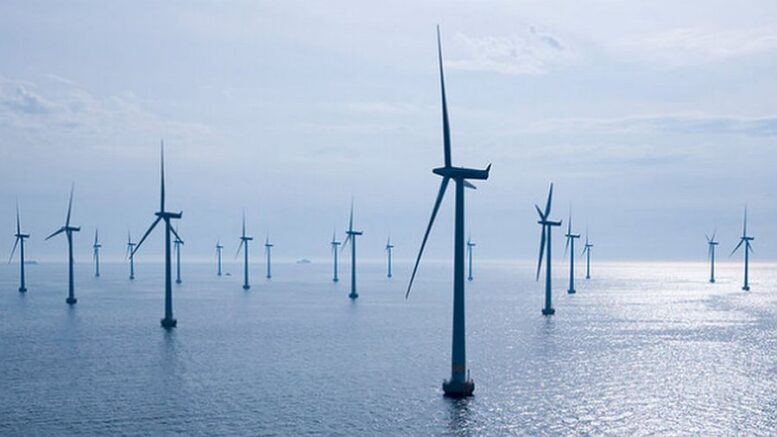
There’s big news off Long Island’s shorelines, where the development of offshore–wind power will lead the Island to the front of the line in achieving net-zero emissions and combating climate change, while transforming onshore communities and infrastructure.
 Offshore-wind power is a significant component of the Biden Administration’s push to reduce greenhouse-gas emissions, as part of the federal government’s overall effort to address climate change. Federal offshore-wind efforts have lagged in the past, and we’re way behind Europe when it comes to producing power without the use of fossil fuels. Europe has 5,400 offshore-wind turbines. America has seven.
Offshore turbines harness great amounts of wind energy on the open sea, and the cost to produce that energy keeps on falling – down 50 percent since 2016 – as technology improves. Turbines can be placed far enough out in the water that they’re not visible from land and, with proper planning, negative effects on marine resources and fishing industries can be mitigated. And clean, locally produced wind energy can interconnect to existing power grids.

Michael Sahn: Long Island powers must unite on offshore wind.
The old model – fossil fuels in onshore power plants – is reaching the end of the line. Just last week, Gov. Andrew Cuomo and eight other East Coast governors sent a letter urging President Biden to prioritize offshore-wind development in the administration’s effort to realize clean-energy and economic gains. The governors, who pledged to collaborate to achieve their states’ individual clean-energy goals, stressed that the offshore-wind power industry will spur significant job growth and investment in port facilities and infrastructure.
New York’s efforts depend heavily on action in the New York Bight, the offshore area extending from Montauk to Cape May, NJ. As the states noted in their letter, a federal commitment to timely approvals will provide the predictability necessary for the private sector to step in and develop these needed projects – and it seems the Biden Administration agrees. On Friday, the U.S. Department of the Interior announced a proposed sale of offshore-wind development rights on the bight’s Outer Continental Shelf.
Other recent, notable developments in the push to achieve offshore-wind goals include new contracts awarded by the New York State Energy Research and Development Authority for the 880 megawatt Sunrise Wind Project and for New York’s first offshore-wind transmission siting project, bringing a 7.6-mile transmission line from a South Fork offshore farm to a Town of East Hampton substation.
Also making headlines: the issuance of RFPs by PSEG-LI and the Long Island Power Authority for onshore bulk-energy storage facilities, which will store power produced offshore – there are now 4,300 MW of offshore-wind power in active development in New York waters – and plug it into the power grid.
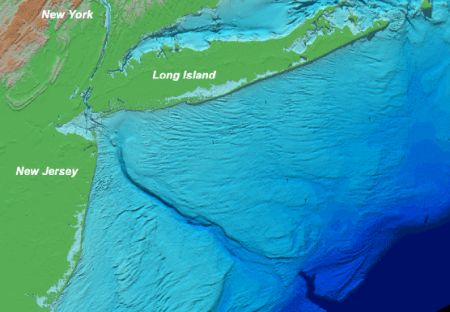
The bight stuff: Action in the New York Bight is essential — and it’s happening.
Investment in wind power essentially creates an offshore-wind economy onshore, because of the significant amount of resources necessary to construct and maintain the industry. And the need to construct adequate maintenance facilities, battery storage facilities and company offices – all necessary to carry out the day-to-day operation of this new sustainable industry – will put pressure on real estate interests.
These pressures will mirror Amazon’s recent effort to expand its warehousing operations in New York City, allowing the e-retail giant to be closer to its customers, allowing quicker delivery times. Locating those facilities challenges the existing real estate market, but offshore wind may have an advantage here: The redevelopment of brownfields may serve the industry well, and can go a long way toward addressing the significant land-use and environmental law challenges facing Long Island.
A key to making all this happen will be local collaboration. Just as the East Coast governors have banded together, so too must local officials. Coordinated environmental reviews and land-use approvals will be needed. Multiple jurisdictions must work together if proposed timelines for onshore infrastructure – critical to the construction and operation of offshore turbines – are to be met.
A Long Island energy summit uniting county and municipal officials, focused on making wind energy a reality, makes sense and is badly needed. With innovation, vision and long-range planning, we can – and must – accomplish these goals together. A transformative way to power our everyday livelihoods and our communities is on the horizon!
Michael H. Sahn, Esq., is the managing member of Uniondale law firm Sahn Ward PLLC, where he concentrates on zoning and land-use planning, real estate law and transactions, and corporate, municipal and environmental law. He also represents the firm’s clients in civil litigation and appeals.