By MICHAEL H. SAHN //
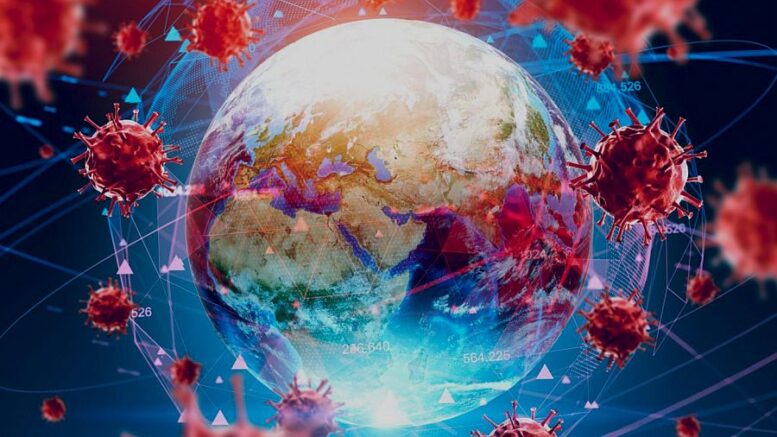
The climate-change crisis is accelerating. COVID is surging, particularly the Delta variant. Both present immediate challenges – and, quite interestingly, recent research shows there are undeniable links between these converging crises.
 This is more involved than caring for COVID patients (and preventing even more transmission) during severe weather events like Hurricane Ida, which is difficult enough. Research shows that the effects of climate change are actually increasing the risk of COVID infection, and causing more negative outcomes in COVID cases.
Contrary to some thinking, studies show the pandemic has not slowed climate change, despite theories that shutdowns would reduce carbon dioxide and methane pollution and abate climate change’s adverse impacts. If anything, according to a United Nations report, the pandemic only made it harder to study climate change and harder to monitor its effects – and returning to “normal” has only hastened global warming’s pace.
Consistent with those findings, Harvard University researchers have reported evidence that exposure to elevated levels of particle pollution from the western wildfires may have caused thousands more COVID cases and COVID deaths.

Michael Sahn: Connecting the dots.
The Harvard study concluded that 20 percent of the cases studied were linked to elevated levels of wildfire smoke in California and Washington State counties; further research has also shown that air pollution can worsen symptoms and hasten COVID’s spread.
Meanwhile, other studies demonstrate that the climate crisis/COVID combo has more negative effects on the poor and other disadvantaged populations, including the elderly and people with respiratory diseases and other underlying health conditions.
Climate change’s impending Long Island impact is becoming more evident. This was one of the first regions in the country to suburbanize, and we have long enjoyed the benefits of that transformation – and the burdens, such as heavy automobile traffic, which only adds to the changing climate thanks to its heavy fossil-fuel reliance.
Long Island’s miles of coastal waters are treasured by all. But they also pose a growing threat, creating a dire need to develop more resilient communities in the face of increasing sea levels and flooding associated with extreme weather events (witness the devastation in New York City, Great Neck and Port Jefferson wrought this week by Ida).
The infrastructure bill that recently squeaked through the U.S. Senate will address key transportation and climate issues, including some that will be transformative: investments in road and bridge infrastructure, with a focus on climate resilience; record funding increases for public transportation; money for electric-vehicle charging stations that could enable a transportation revolution. These could very well be game-changers in the fight against climate change.
The international community is focusing on the same challenges. In October, the 26th U.N. Climate Change Conference will commence in Scotland; its agenda includes net-zero carbon emissions by the middle of the 21st Century, new measures to protect natural habitats and new financing to drive critical climate actions and accelerate collaboration between governments, businesses and social organizations.
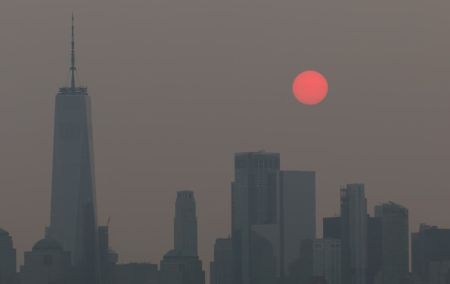
Ominous sign: Smoke from this summer’s western wildfires darkens New York City skies.
These strategies can seem remote, even unrelated. But seeing the smoke from this summer’s western wildfires turning the mid-afternoon sun orange here on Long Island shows how all of our climate and health efforts are now interconnected.
With increasing focus comes increasing opportunity to develop a Long Island future that simultaneously combats climate change and improves public health. We can all build upon these efforts to create a specifically Long Island-focused approach to confronting these challenges. A Long Island climate summit uniting local, county, civic, business and environmental leaders would be a great start.
Solutions to these challenges must transcend our local borders. Most importantly, these efforts must recognize that climate change is a driving factor in COVID infections and other diseases, and that our future planning must develop “eco-epidemiological” processes and plans in collaboration with public and private healthcare institutions.
COVID has shown us how interconnected our communities are, and how vulnerable we remain. The interconnection of public health and climate change reinforces this important and humbling lesson. We must learn and act together.
Michael H. Sahn, Esq., is the managing member of Uniondale law firm Sahn Ward PLLC, where he concentrates on zoning and land-use planning, real estate law and transactions, and corporate, municipal and environmental law. He also represents the firm’s clients in civil litigation and appeals.