
By GREGORY ZELLER //
Eye-opening facts about regional LBGTQ+ populations inform a comprehensive new health-needs survey by a cornerstone of Long Island healthcare.
 The 2021 Long Island LGBTQ+ Community Health Needs Survey, conducted last year by Stony Brook Medicine and some 30 community-based partners, was released this week to coincide with Oct. 11’s National Coming Out Day.
The survey of 1,150 respondents – each 18 years or older and self-identifying as a member of the relevant communities – includes several unnerving revelations, including more than a third of respondents (33.5 percent) admitting they’d recently considered harming themselves.
Nearly a quarter (23.9 percent) considered suicide at some point in the last three years, the lion’s share of the 43.6 percent of respondents who reported their mental health as somewhere between “fair” and “poor.”
Conducted online between June and September 2021, the LGBTQ+ Health Needs Survey was open to LGBTQ+ adults (and adults questioning their identity) either living or attending a college, university or technical school in Nassau or Suffolk counties.
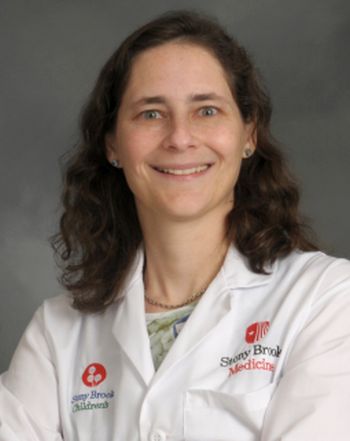
Allison Eliscu: Issue oriented.
The voluntary survey was conducted anonymously by representatives of Stony Brook Southampton Hospital’s Edie Windsor Healthcare Center – which provides comprehensive healthcare specifically tailored to LGBTQ+ populations – and other members of the LGBTQ+ Health Needs Assessment Survey Partnership.
The partnership is comprised of numerous community organizations, university extensions and individual contributors, including the Garden City-based Family and Children’s Association, the Cornell Cooperative Extension of Suffolk County, Hudson Valley-based healthcare system Sun River Health, the Patchogue Arts Council, the 501(c)3 Transgender Resource Center of Long Island and internationally acclaimed Huntington Station-based artist Anu Annam, among many others.
The survey ultimately paints a bleak mental picture of regional LGBTQ+ community members, more than a third of whom report moderate to severe anxiety and/or depression.
Fueling the problems, according to respondents: poor access to adequate behavioral-health resources, poor training among healthcare providers on the particulars of LGBTQ+ communities and lack of health insurance adequately addressing LGBTQ+ needs.
“Respondents also cited violence, bullying and harassment as critical issues facing the community,” added principal investigator Allison Eliscu, medical director of Stony Brook Medicine’s Adolescent LGBTQ+ Care Program.
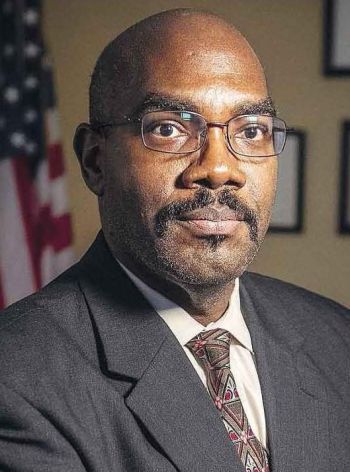
Gregson Pigott: Foundational knowledge.
“The LGBTQ+ Health Needs Survey findings give voice to members of Long Island’s LGBTQ+ community,” added Stony Brook Southampton Hospital Chief Administrative Officer Robert Chaloner. “These insights are critical to Long Island’s healthcare and social-service providers, government officials and public-health workers in their efforts to expand and improve programs and advocacy efforts.”
While the survey was publicly promoted this week to leverage National Coming Out Day, Stony Brook Medicine has been privy to the findings for months, and already has its planes in the air.
Among other initiatives, the burgeoning health system – anchored by four regional hospitals, Stony Brook University’s five health-science schools and more than 200 community-based healthcare facilities – has distributed new print and digital versions of its guide to Stony Brook Medicine LGBTQ+ providers.
The health system is also implementing extended LGBTQ+ cultural sensitivity training, offering mobile mammography screenings by LGBTQ+ culturally sensitive staffers and drawing up plans for a “multidisciplinary adolescent gender-affirming care clinic,” among other efforts.
Noting “Long Island’s LGBTQ+ community is diverse,” Suffolk County Health Commissioner Gregson Pigott praised Stony Brook Medicine’s wide-ranging response to the LGBTQ+ Health Needs Survey – and hailed the troubling study as a blueprint for future action.
“This survey’s findings provide … great insight into the intersectionality of sexual orientation, gender identity, race, ethnicity and income status,” Pigott said in a statement. “These insights provide a foundation to better understand and serve the LGBTQ+ community, moving toward health equity.”