By GREGORY ZELLER //
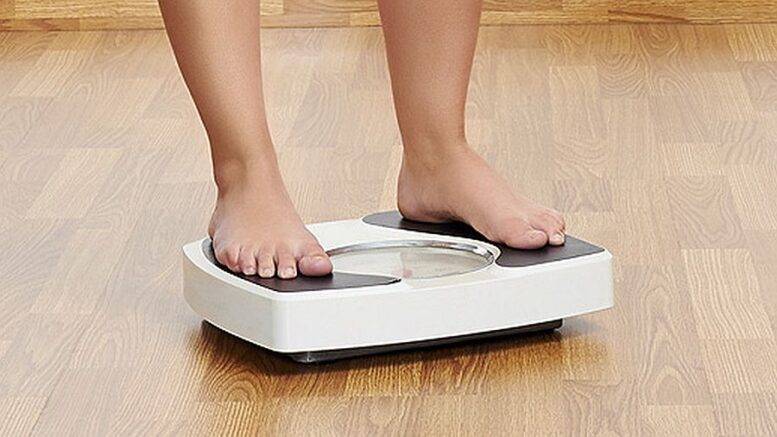
Weighty issues abound in the latest Mount Sinai South Nassau Truth In Medicine poll, which pounds home heavy physiological and psychological truths about weight loss.
 At once a healthcare review, deep psychological dive and intriguing insight into regional racial disparities, the 18th poll in the Truth in Medicine series and first of 2023 aims to evaluate general knowledge and sentiment on key public-health issues.
Among the questions queued up in the Feb. 16-21 telephone poll of 600 Long Island and New York City adult residents were direct queries about self-image, binge eating and the use of prescription medications for weight loss – including prescription drugs not specifically intended for weight loss.
Nearly one-quarter of respondents said they would take such a drug to shed extra pounds – not surprising, considering roughly one-third of metro area residents consider themselves to be “overweight,” according to the poll.
But that’s actually an optimistic estimate: The U.S. Centers for Disease Control and Prevention estimate that more than two-thirds of U.S. adults over the age of 20 qualify as overweight or obese, with obesity affecting a solid 40 percent of those ages 20 to 39.
And that’s just one of the unique psychological glimpses included in the year’s first Mount Sinai South Nassau poll, which reveals several other mind-over-matter truths. Half of the respondents admit to binge eating, for instance, while a majority who made weight loss a New Year’s resolution report it’s “not going very well.”

Adhit Sharma: You are what you eat.
Of respondents who have not discussed their weight problem with a healthcare provider, small but noticeable percentages reported discomfort talking about it or an outright fear of judgement – and a full 12 percent said they believe there’s nothing their provider can do about it.
That’s wrong, according to Mount Sinai South Nassau Hospital President Adhi Sharma, who trumpeted many short- and long-term programs designed to safely and effectively manage patient weight loss – and urged both patients and providers to proactively confront the issue.
“I strongly encourage all adults and parents of children who are struggling with their weight to talk about it with their healthcare providers,” Sharma said. “At the same time, physicians are in an ideal position to talk with patients about their weight and prescribe a plan of action to successfully manage it.”
Regarding those weight-loss drugs, 10 percent of poll respondents said they are currently taking or know someone who uses prescription drugs Ozempic, Mounjaro or Wegovy to lose weight – though only Wegovy has earned FDA approval for weight management, and that only in obese/overweight teens and adults with at least one weight-related comorbidity.
Ozempic and Mounjaro are both designed to control blood glucose in type 2 diabetes patients but have also proven to provide ancillary weight-loss benefits. Word of weight-loss wonder pills has spread fast and off-label use of prescription drugs as an alternative to diet and exercise has soared – a global “craze” that has left diabetes patients struggling to fill medical prescriptions.

Work it out: Nothing beats diet and exercise as a weight-loss prescription.
Nevertheless, one in four poll respondents said they would take a prescription weight-loss drug if they could (the drugs are expensive and many insurers won’t cover them, limiting the “craze” to the elite or the lucky few with the right health plan).
Worth noting is the crossover among poll respondents who pine for the wonder pill and the 60 percent of respondents who said they eat two or more fast-food meals per week – and the 22 percent who bump it up to four or more drive-thru belly bombs every seven days. The poll also found that those who take Ozempic (or are familiar with the drug) are among the respondents most likely to binge eat.
Statistically speaking, these misguided misuses will invariably backfire. A recent study published in the peer-reviewed medical journal Diabetes, Obesity and Metabolism notes that one year after withdrawing from the weekly maximum Ozempic dosage, study participants regained two-thirds of their lost weight.
People who eat poorly, don’t exercise and then use the popular brands to “lose a few extra pounds quickly” are taking a real health risk – not to mention gumming up the works for legitimately sick people, warns Mount Sinai South Nassau Department of Medicine Chairman Aaron Glatt.

Linda Armyn: Healthy balance.
“These treatments were not intended to serve as an alternative to regular exercise and healthy eating,” Glatt noted. “They were created to manage type 2 diabetes and obesity.”
Other key findings of the poll – which is sponsored by Bethpage Federal Credit Union and is the “only hospital-based public health poll of its kind in the region,” according to Mount Sinai South Nassau – offer glimpses into the region’s racial structures, at least regarding body image and eating habits.
Black respondents were also among the groups most likely to binge eat, and represented a large chunk of the 10 percent of overall respondents who take or know someone who is taking a weight-loss drug.
By viewing weight from this comprehensive set of angles, the latest Truth in Medicine poll serves up a smorgasbord of valuable insights into a serious public-health issue – and reaches some definite conclusions, according to Bethpage Federal Credit Union Chief Strategy and Marketing Officer Linda Armyn.
“Bethpage is proud to partner with Mount Sinai South Nassau in advocating and prescribing exercise and a balanced diet to achieve a healthy weight,” Armyn said in a statement.