By GREGORY ZELLER //
Economically disadvantaged students are getting a leg up on their college careers – and honing their life-saving skills – through the Donald & Barbara Zucker School of Medicine at Hofstra/Northwell.
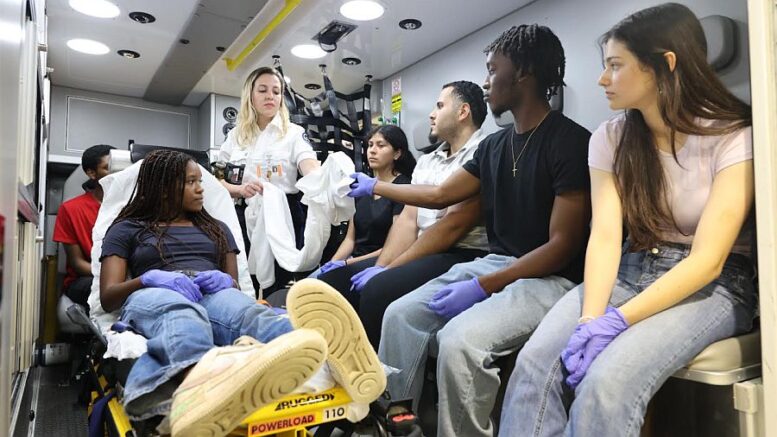
 A diverse class of 12 first- and second-year collegians is receiving hands-on training this summer in basic first aid, cardiopulmonary resuscitation and even the proper administration of Naloxone, the anti-overdose savior known best as Narcan.
They’re also punching their tickets to Zucker School admission – maybe – and at a minimum learning about potential healthcare careers they might not have otherwise considered.
The advantages are provided by the Zucker School’s Medical Scholars Pipeline Program and College Pipeline Program, both designed to encourage Underrepresented in Medicine students toward medicinal studies – and balance socioeconomic scales along the way.
“Underrepresented in Medicine” is an Association of Medical Colleges designation referencing “racial and ethnic populations that are underrepresented in the medical profession relative to their numbers in the general population.”
The MSPP – a three-year program that meets for four weeks each summer – provides an educational pathway into healthcare professions for URM students in New York City, Nassau and Suffolk. The program exposes participants to various healthcare-industry career paths while offering skill-enhancing workshops, professional mentoring and leadership activities.
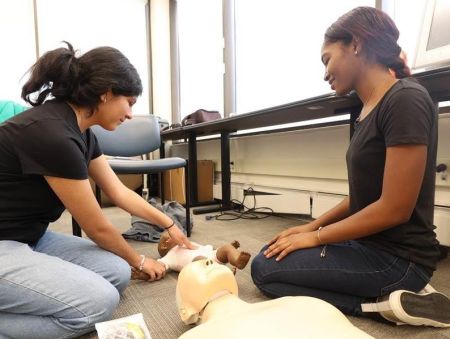
Hands on: Incoming and up-and-coming collegians gain invaluable healthcare exposure.
The CPP, an annual six-week summer sprint, is designed to help top college students become more attractive applicants for Zucker School of Medicine admission, via three annual sessions: a science refresher for rising sophomores (covering physics, chemistry and anatomy), a Medical College Admission Test prep program for rising juniors and a “research experience” for rising seniors.
The CPP provides a $1,250 annual stipend for admitted students, and those who ace both the three-year program the MCAT are “highly considered for direct matriculation to the Zucker School of Medicine,” according to the program website.
Among other things, students participating in both pipeline programs are trained to quickly identify medical emergencies – including bleeding, choking and coronary situations – and provide immediate aid. Tying tourniquets, administering abdominal thrusts and operating an Automated External Defibrillator are all on the agenda, with lessons learned at Northwell Health’s Center for Emergency Medical Services in Syosset.
Students also absorb critical lessons about properly administering EpiPens – epinephrine injections used to treat life-threatening allergic reactions – and Narcan nasal spray, which is used to reverse the potentially fatal effects of opioid overdoses.
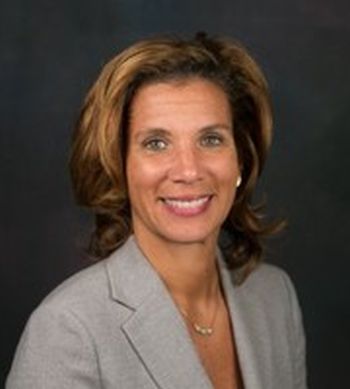
Gina Granger: Everything on the pipeline.
While the programs are not exclusive to medical-school students, four of this year’s pipeline students – one from the MSPP, three from the CPP – are scheduled to begin studies at the Zucker School of Medicine this fall.
When they do, many of the skills and techniques they learned over the summer will be put into immediate effect: The Zucker School requires all incoming students to take an eight-week EMT class.
By giving URM students that kind of running start on their medical studies, the Zucker School is both helping less-advantaged learners transition more smoothly to the higher-education world and shepherding many toward high-demand healthcare fields, according to Zucker School of Medicine Assistant Director of Pipeline Programs Gina Granger.
“We are proud of the success of our pipeline programs, which have been instrumental in creating a pathway for hundreds of underrepresented in medicine students to realize their dreams,” Granger said. “Many … have gone on to become doctors and healthcare professionals.”