
By GREGORY ZELLER //
A Long Island energy enterprise left this month’s CES 2025 with a new sense of power.
 Energy-harvesting 2019 startup WePower Technologies, which is looking to upgrade a host of longstanding and cutting-edge technologies (particularly Internet of Things technologies) with a magnet-powered alternative to traditional batteries, made a splash at the annual Consumer Electronics Show, held Jan. 6-9 in Las Vegas.
With its proprietary Gemns Energy Harvesting Generator product line ready to roll, Sagaponack-based WePower presented a future marked by fully sustainable energy output, courtesy of permanent oscillating magnets capable of powering everything from standard lighting and smart office appliances to sensitive sensors and wireless transmitters – the heart of the IoT revolution.
There are several methods, in various stages of understanding and commercial development, for generating electrical power through motion. The national offshore-wind industry is spinning up fast; various Long Island-based firms, meanwhile, have dabbled in technologies designed to generate electricity from kinetic energy, whether it’s the power of undulating ocean waves or automative traffic zooming along highways.

Larry Richenstein: Batteries not included.
This time, it’s all about electromagnetic induction – the production of an electromotive force across an electrical conductor in a changing magnetic field, created by an alternating electric current flowing through a solenoid.
That sounds more scientifically complex than it actually is. In a nutshell, an electric current flowing through a single wire produces a magnetic field. Wind the wire into a coil, and the static magnetic field is greatly intensified; organize your magnets correctly, and you can create a magnetic field with enough strength to power all manners of devices, from a desk lamp to the most advanced aerospace tech.
WePower Technologies actually made its CES debut in 2024, when it regaled onlookers with three energy-harvesting generator prototypes. At CES 2025, its refined generators attracted the attention of several interested observers, starting with representatives of the water-sensor marketplace.
WePower Technologies founder and CEO Larry Richenstein said his company “entered into negotiations with nine major brands in the smart-home space” during the three-day Vegas showcase, each planning to license WePower’s next-level Gemns generator “and white-label it into their water-sensor products.”
The CEO didn’t reveal the names of the interested companies, though he did dub them “big, well-known smart-home brands” and predicted those collaborations would be finalized in May or June.
“At the end of the day, these companies will receive the most reliable and robust water sensors ever designed, all of which will be integrated into their end-user product lines,” Richenstein added.
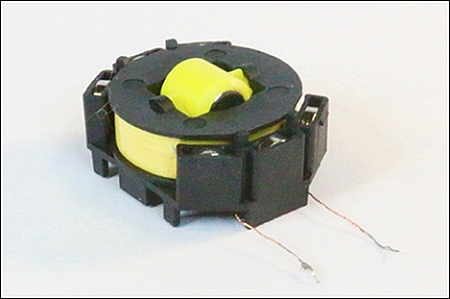
Doesn’t look like much: But the Gemns Energy Harvesting Generator packs an important punch.
Representatives of several other industries were also attracted to the U.S. patented energy-harvesting generators, according to the CEO, including lighting manufacturers, automakers, security specialists and others.
“[They] will all soon find themselves in need of power sources that don’t require the use of batteries,” Richenstein said.
With billions, perhaps trillions, of connected sensors and data transmitters coming online over the next decade, the CEO predicts that the demand for ecological and cost-efficient alternatives to traditional batteries – which are expensive, environmentally damaging and in constant need of replacement – is about to soar.
Energy-harvesting generators, he added, will become the leader of the power pack.
“Gemns has, until now, been ahead of the market,” Richenstein said. “But from what we’ve seen here at CES, all that is changing.
“People and companies are only now recognizing the importance of energy harvesting and the opportunities it presents to produce better, greener, more reliable and longer-lasting energy sources.”