By GREGORY ZELLER //
A major-league grant-maker focused on the wellbeing of all New York residents has significantly bolstered the mission of a nonprofit working to support at-risk Long Islanders.
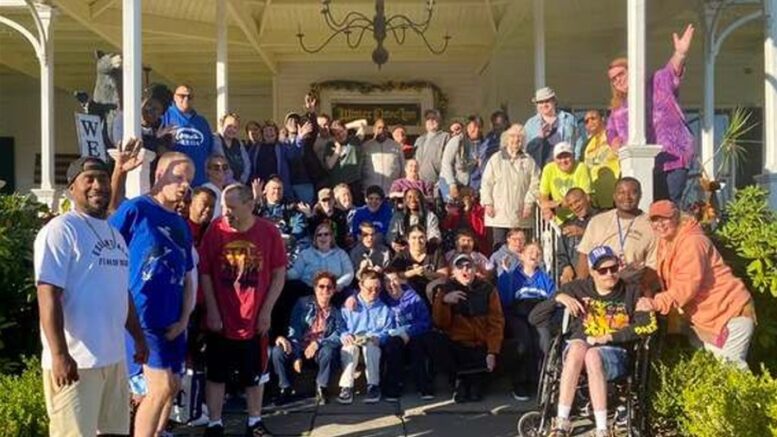
 The New York City-based Mother Cabrini Health Foundation has announced a $180,000 grant for East End Disability Associates, a 501(c)3 organization that supports more than 700 people with intellectual and developmental disabilities. The EEDA will use the grant to increase its outreach to Latino communities, which the Riverhead-based nonprofit describes as “drastically underserved” in regards to people with mental and emotional disabilities.
Hispanics and Latinos comprise a large percentage of Long Island’s roughly 8.1 million residents: about 17.3 percent of Suffolk County’s population and 15.3 percent of Nassau County’s population. Those percentages are well behind the percentages of White residents in each county (85.8 percent Suffolk, 77.3 percent Nassau), but more numerous than Black, Asian and all other demographics combined.
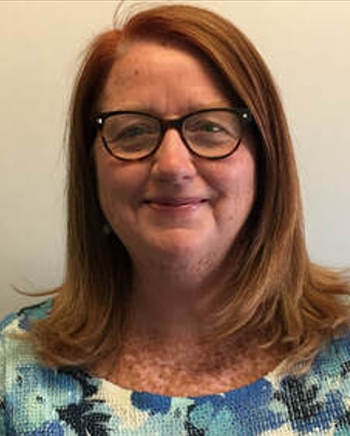
Joy O’Shaugnhessy: Building independence.
Despite those relatively large numbers, as of 2022, only 8.9 percent of Long Island Latinos with intellectual or developmental disabilities were receiving legally entitled support services from New York State, according to the EEDA, which cites language barriers, cultural differences and even fear of deportation as the chief culprits.
Enter the chunky Mother Cabrini grant, which the EEDA – part of the Manorville-based Kinexion Network, a management service organization that supports seven Long Island-centered affiliates working with differently abled persons and their families – will use to hire additional “Latino outreach support brokers.”
The brokers will work to build relationships, improve trust and otherwise help Latino communities navigate the array of services offered by the New York Office for People with Development Disabilities and other state agencies, according to EEDA Executive Director Joy O’Shaughnessy, who thanked the Mother Cabrini Health Foundation for “believing in our mission to better support Latinos with intellectual and developmental disabilities.”
“With services in place and staff dedicated to supporting them, people with intellectual and developmental disabilities blossom,” O’Shaughnessy said Tuesday. “They gain independence, build new relationships and become more active community members.”
 And the benefits of greater outreach among Latino populations won’t end there, the exec added.
“Their caretakers will also experience the relief of having dedicated staff, someone they choose who is culturally and linguistically competent to support their loved one’s goals and dreams,” O’Shaughnessy noted.
The EEDA grant was one of 539 separate awards issued by the Mother Cabrini Health Foundation this year. The 2025 funding round – which funneled a combined $208 million to nonprofit organizations across New York State – pushed the total amount donated by the circa-2018 foundation past $1 billion.
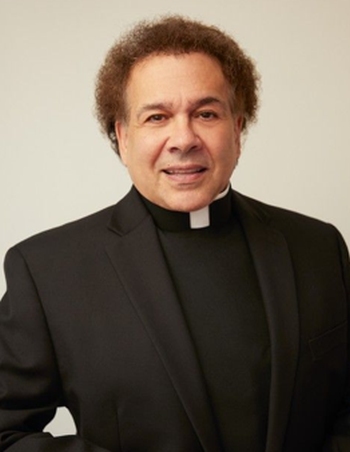
Gregory Mustaciuolo: Inspiration abounds.
Monsignor Gregory Mustaciuolo, chief executive officer of the Mother Cabrini Health Foundation, said in a statement the foundation was “deeply honored by the wide-ranging impact of our work and by the dedication of our grantees across New York State.”
“We’re inspired by the compassionate legacy of Mother Frances Cabrini, as this year marks a significant milestone in our grantmaking,” the monsignor added. “This moment fuels our commitment as a foundation to look toward the future, where we will continue making bold investments in a healthier, more equitable future for all.”
According to O’Shaughnessy, that faith will be repaid by the EEDA – particularly among Long Island’s oft-forgotten, but consistently growing, Latino populations.
“Together, we’re creating a healthier, more equitable future for people of all abilities and addressing a critical need in a severely underserved community,” the executive director added.