By GREGORY ZELLER //
A groundbreaking technology developed through clinical trials at the Feinstein Institutes for Medical Research has been granted all-time honors by Time magazine.
 The Double Neural Bypass – a cutting-edge brain-computer interface designed to connect thoughts to incapacitated arms and hands, creating a two-way “double bypass” that restores partial mobility to paralyzed limbs – is among 25 breakthroughs named to Time’s first-ever Best Inventions Hall of Fame.
The list – covering an eclectic selection of new technologies and ideas, ranging from YouTube and the Larger Hadron Collider to Kickstarter and iRobot’s automated Roomba vacuum cleaner – recognizes the best of the best since Time began its annual review of groundbreaking inventions in 2000.
Time’s editors originally intended to highlight three inventions per year – one in consumer technology, one in medical science, one benefitting basic industry – but quickly found many more creations worthy of attention.
Past honorees include the NuvaRing birth control device, the Apple iPhone, the 23andMe personal DNA testing service and the Vestergaard LifeStraw, a drinking straw packed with mesh, iodine and active-carbon filters that can make questionable water sources safe to consume.
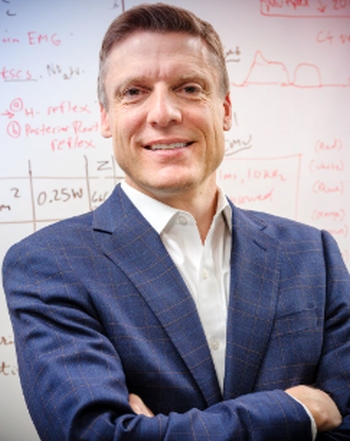
Chad Bouton: Double pleasure.
The magazine’s 2025 list continues the tradition with 300 new honorees, spotlighting breakthroughs in robotics, agriculture, clean energy, artificial intelligence, cryptocurrency, consumer electronics, wellness, transportation and other key categories.
None of the 2025 honorees were included in the inaugural Best Inventions Hall of Fame class. The most recent annual honoree to make the list was the Double Neural Bypass, which debuted in 2023 and cracked the Time list in 2024.
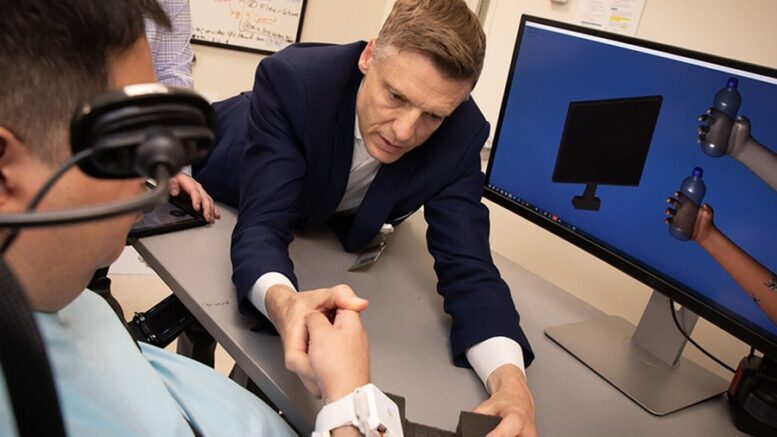
The magazine originally recognized the cutting-edge interface just months after clinical trial leader Chad Bouton and his Feinstein Institutes team of engineers, scientists and surgeons implanted five microchips in the brain of paralyzed patient Keith Thomas, then used customized AI algorithms and precision neurostimulation to electronically reactive links between Thomas’ brain, body and spinal cord.
When activated, the innovative bridge restored movement and sensation in Thomas’ hand. It even created lasting gains in the patient’s arm and wrist outside the lab – according to Northwell, Thomas went from only being able to lift his arms about an inch to being able to hold a drinking cup and wipe his own face.
That accomplishment pushed the Double Neural Bypass into rarified air and earned it a spot on Time’s all-time list – a “monumental achievement,” according to freshly minted Northwell Health President and CEO John D’Angelo, and “a real-life testament to years of relentless scientific dedication.”
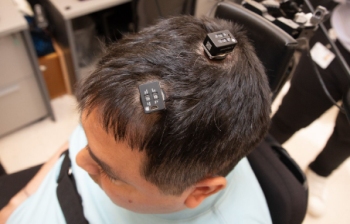
Chip in the old block: Microchip implants are just the tip of the amazing Double Neural Bypass technology.
“We are incredibly proud of Dr. Bouton and his team,” D’Angelo said in a statement. “It is truly inspiring to witness how this groundbreaking work is making a lasting, tangible impact, not just in the lab but in the lives of individuals … this is what scientific progress looks like when driven by compassion.”
Bouton – Northwell’s vice president of advanced engineering and founder/CEO of Connecticut-based Neuvotion, a 2019 startup leveraging Feinstein Institutes research to create even more advanced brain-computer and brain-body interfaces – called induction into Time’s Best Inventions Hall of Fame “an immense honor” and said it “amplif[ies] our hope for the millions living with paralysis.”
“This marks a historic milestone: the first electronic bridge between the brain, body and spinal cord in a paralyzed human to restore lasting movement and sensation,” Bouton added. “This thought-driven therapy is a game-changer, envisioning fuller, more independent lives for those with paralysis.”