By GREGORY ZELLER //
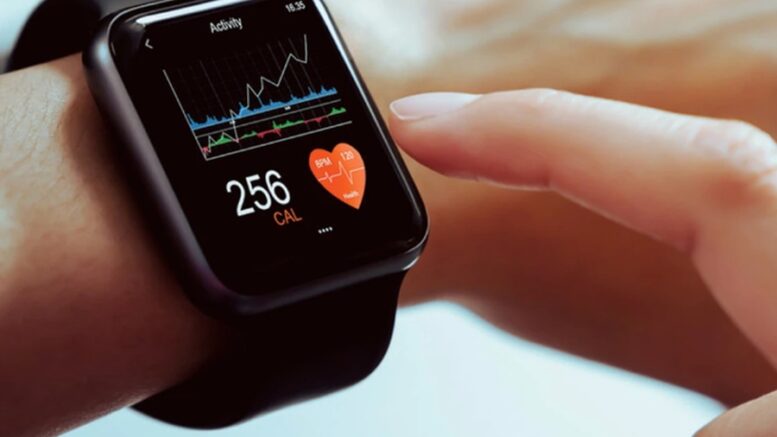
Wearable health devices are having a profoundly positive effect, according to the latest Mount Sinai South Nassau Truth in Medicine Poll – at least, among those who wear them.
 The poll, sponsored by Bethpage-based FourLeaf Federal Credit Union and released Dec. 9, revealed that 44 percent of respondents wear health-monitoring or wearable fitness devices– and 63 percent of those wearers are more likely to see a physician based on what the devices tell them.
Nearly three-quarters of respondents (74 percent) say they share information from their devices with their healthcare providers, according to the poll, and in some cases, the percentages range even higher: For instance, 92 percent of respondents who wear a glucose monitor say they share the monitor’s data with physicians.
The impressive numbers come courtesy of 600 New York City and Long Island adults contacted by phone this Fall by nationally recognized independent polling firm LJR Custom Strategies.
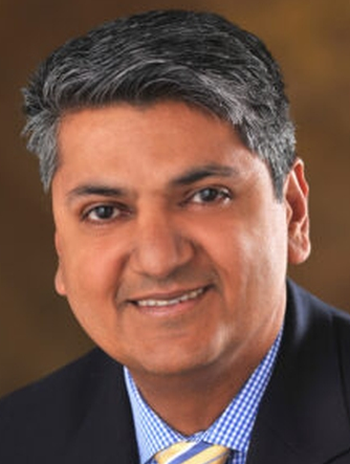
Adhi Sharma: Data-driven.
The 24th poll in the long-running Truth in Medicine series, which began in 2017, was also the third of 2025, following a poll released in September (focused on the effects of politics on national healthcare) and one released last April (centered on alcohol consumption).
The newest survey did not reveal a population blindly enamored with wearable devices. For instance, only 33 percent of all respondents said wearable devices were part of their 2025 holiday wish list – and the lion’s share of those gift-seekers already owned at least one kind of wearable health monitor, mostly Apple Watches and Fitbits (53 percent and 28 percent of current owners, according to the survey).
But there’s no doubting the faith of those who already self-monitor their health with the help of high-tech wearables – or the power inherent in those real-time reports, according to Mount Sinai South Nassau President Adhi Sharma.
“When patients have their data, it empowers physicians to prescribe personalized, timely interventions and treatments, which is crucial for better outcomes” Sharma noted.
The poll also tracked usage of direct-to-consumer home-testing products, such as over-the-counter COVID-19 testing kits – by far the most popular form of DIY healthcare assessments, with 85 percent of respondents confirming they’ve used a home COVID test at least once.
 Other key findings from the Nov. 12-16 public health poll include 57 percent of respondents who expressed concern over wearable devices’ ability to digitally protect patient information (including 36 percent of current device owners) and 53 percent of respondents who expressed no interest in wearable health devices. Only 19 percent of current non-owners said they would consider using a wearable health device in the future.
That belies the 53 percent of respondents who claimed they were more likely to screen for health conditions if they could do it at home.
As technologies continue to improve, expect pro-wearable numbers to swell – good news for future healthcare outcomes, according to Mount Sinai South Nassau Chief of Infectious Diseases Aaron Glatt.

Aaron Glatt: Proactive, preventively.
“The next step in maximizing the data and information harnessed by these devices and products is their integration with electronic health records systems,” noted Glatt, who also chairs the hospital’s Department of Medicine. “This will facilitate truly proactive and preventive care as well as enhanced chronic-disease management and postoperative monitoring.”
Ultimately, the poll revealed a split decision in the public perception of wearable health devices – and that in itself makes it a useful exercise in patient education, according to FourLeaf President and CEO Linda Armyn.
“Wearing health-monitoring devices has a positive impact on health and encourages connection to a physician and more engagement with your own health,” Armyn said in a statement. “Educating people about these technologies is an important public health topic.
“I applaud the work Mount Sinai South Nassau is doing to create awareness on such an important topic.”