By MICHAEL H. SAHN //
The metropolitan New York housing market has dramatically shifted since the onset of the COVID pandemic – and the rapid changes will continue, especially with the resurgence of the COVID infection rate.
 No one can predict where the multiple factors driving the market will take us. But we must examine the challenges and opportunities and plan for all contingencies. A long-range housing approach would be a great start.
One major factor driving the housing market, on a national level, is the surge of cash into the economy. The federal government’s large cash infusion has spurred consumer spending and economic growth, and a large percentage of consumer spending is going into the housing market.
Economic growth may ebb, but widespread business re-openings and the continued trend to remote work will remain big drivers of housing demand. Historically low mortgage interest rates are also prompting sales and refinancing activity.
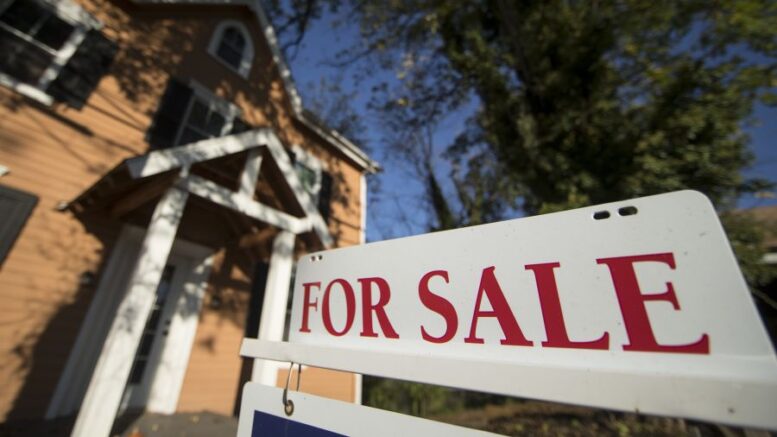
In the Long Island marketplace, despite some signs of a slowdown in new sales and rising prices, the demand for homes remains strong. The seller’s market continues, complete with bidding wars and sellers receiving offers over the asking price.

Michael Sahn: Playing with house money.
Much of this is fueled by the migration trend away from New York City, as people seek larger living spaces and smaller communities more insulated from the pandemic’s effects. Likewise, existing homeowners are looking to move up to larger homes with more space, especially to accommodate new needs for remote-working space.
Another trend – family members pooling resources to buy homes together – is also spurring demand. Multigenerational buying allows families to remake a household, resulting in new demand for larger living spaces.
The desire for more space at home is also driving a marked increase in renovation projects, leading to increased construction costs – especially given the scarcity of needed supplies like lumber and other building materials.
Soaring renovation costs and supply shortages prompted President Biden to consider a summit-type meeting with industry leaders to find ways to increase supply and lower costs. For now, the inability of contractors to determine with certainly their supply and labor costs have left many jobs hanging in the balance.
Meanwhile, New York City’s real estate market is bouncing back from the lowest points of the pandemic. The number of apartments sold this spring increased significantly from Spring 2020, with 3,417 completed deals between April and June this year, compared to 1,357 in the same time period last year.
But prices are still not back to pre-pandemic levels, and without a full economic recovery in the city – including a return to the office workplace – the residential and commercial real estate market is likely to lag. As of now, nearly 19 percent of all office space in Manhattan is empty, and that vacancy rate may continue to climb.
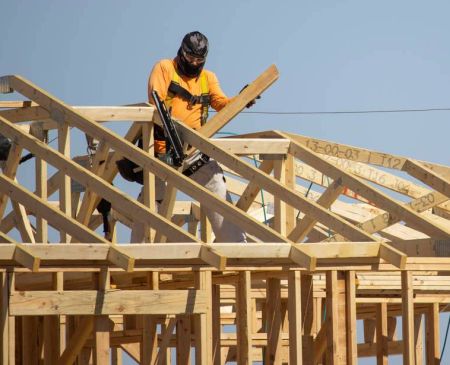
Wood if you could: A national lumber shortage is slowing building and renovation projects.
Given these diverse factors, the public and private sectors must creatively meet the challenges and opportunities of the marketplace.
One way to stabilize the market is to provide more opportunities for affordable housing. Higher prices are great for sellers, but they’re a serious negative for people who cannot afford to move or renovate. Governments and developers can work together to find opportunities to provide housing for a wide variety of demographics, including age-restricted senior housing, workforce-housing projects, transit-oriented developments and mixed-use residential/commercial developments.
Another way to stabilize the market, and promote long-term growth, is to reduce approval timelines for new-building permits, or permits for housing renovations that meet sustainability goals.
Improving infrastructure to meet the challenges of climate change will also lead to long-term market stability and growth. Enacting “green zones” and creating sustainable neighborhoods with reduced dependency on fossil fuels and automobile-dependent travel, while increasing reliance on new energy sources like wind and solar power, can provide long-term market certainty while also improving the environment.
Improving vaccination rates to prevent a further COVID resurgence will also stabilize the housing marketplace and the overall economy.
Simply stated, changing housing must recognize the changing climate. Reducing the costs of powering our homes while simultaneously improving the livability of our communities are recognizable goals with clear benefits.
Collaboration is key to all these efforts. As the markets shifts, our responses must shift, too.
Michael H. Sahn, Esq., is the managing member of Uniondale law firm Sahn Ward PLLC, where he concentrates on zoning and land-use planning, real estate law and transactions, and corporate, municipal and environmental law. He also represents the firm’s clients in civil litigation and appeals.