By MICHAEL H. SAHN //
The COVID pandemic has changed us and how we live, forever. And as we consider the post-COVID world, Long Island land-use policies and zoning laws are drawing increased focus.
 Last September, the Long Island Regional Planning Council issued a report describing how the post-pandemic economy will result in major land-use changes in Nassau and Suffolk counties over the short and long terms. The identified charges are far-reaching, covering housing, retail, restaurants, entertainment venues, offices, light industrial facilities and recreational spaces.
The report describes impact areas and opportunities for new land-use regulations to address increasing demand for diversified housing alternatives, designed to accommodate multigenerational living, multifamily rentals and new premiums on housing that allows people to work from home.
It also suggests new uses for underutilized (or vacant) retail spaces, more “pop-up” retail in downtown areas and repurposed office parks, with due attention paid to the strong demand for light industrial spaces (critical to e-commerce service and distribution) and for outdoor municipal parks (as alternatives to indoor recreational facilities).

Michael Sahn: In the zone.
The LIRDC recently published another study that found multifamily projects do not overburden school districts with new-student enrollment, and that real estate taxes generated by multifamily projects can result in more revenue for school districts than the costs of adding new students.
The planning and legal worlds are taking note. Last October, the American Planning Association issued a report on zoning in a post-COVID world, noting short- and long-term adjustments to zoning laws and administration are necessary for more flexibility in housing choices and the use of excess office and commercial spaces. Such changes could also encourage walkability and open spaces by allowing compact, mixed-use developments and revisiting parking restrictions for various uses.
Meanwhile, the challenges of sustainable development, climate change and obsolete infrastructure are no less compelling than before the pandemic. The model Sustainable Development Code, initiated pre-COVID, provides guidance in crafting land-use regulations to meet these continuing challenges.
No doubt about it: We need immediate, bold and thoughtful action to adapt land-use regulations to post-COVID realities. The usual legislative process will not be enough to meet this new challenge; we must find creative ways to keep Long Island’s economy growing.
Municipalities should adopt laws giving building and zoning officials discretion to grant waivers of existing regulations, allowing re-use of closed and vacant facilities on a short-term basis while applications for permanent changes are pending. The zoning approval process takes time; short-term approvals would go a long way toward rebuilding the post-pandemic economy. One good example: opening small-format retail stores in closed or vacant buildings while longer-range plans are reviewed.
Let’s also abandon our one-size-fits-all approach to zoning codes. Most codes allow a limited range of uses in any zoning district; some of those are permitted, as-of-right, and some require conditional permits. The concept of limited uses goes back to the early days of zoning laws, based on the theory that dividing and checker-boarding uses into discreet, limited areas protected residential communities and limited the impacts of commercial uses.
Now that we realize the benefits of mixed-use projects, we must broaden the range of permitted uses to achieve more opportunities for the adaptive re-purposing of buildings. For instance, codes should be amended to allow mixed uses of large, department or big-box stores that are closed and will not return. We don’t need to build new buildings if existing buildings can be renovated and re-purposed, whether the empty stores are in malls or stand alone.
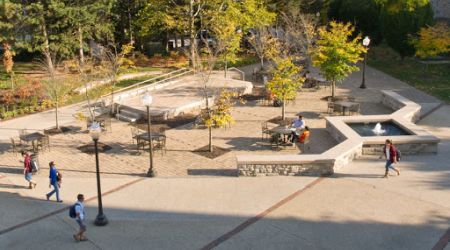
Get out: Outdoor plazas and recreation should factor heavily in new zoning laws, Sahn says.
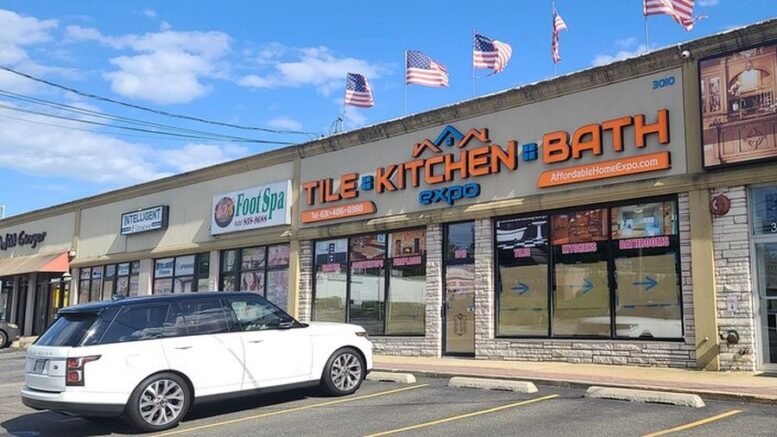
So, what could a new approach stressing flexibility and sustainability look like? Sunrise Highway and Jericho Turnpike are terrific examples of how incentives to rebuild old strip retail centers can benefit communities.
These are typically one-story buildings, set back on the property with parking areas in front. New transit-corridor zoning would encourage mixed-use buildings with varying heights, located adjacent to the roadways. These buildings would have adequately screened parking areas, and taller buildings could incorporate multiple uses – retail, restaurants, business/medical offices and residences.
Architectural elements could be mandated – public plazas, open or glass facades, etc. – for aesthetic purposes. Such elements encourage people to live and work in contiguous spaces.
Corridor zoning like this will eliminate the sea of cars we now see parked in strip centers. It would also encourage the aggregation of smaller lots, allowing better planning and fewer curb cuts leading to the street, and could provide incentives for open plazas, green spaces and park areas – encouraging outdoor gatherings, dining and recreation.
The reimagining of our existing spaces is the essence of a sustainable and climate-responsible future. The post-COVID world presents us a significant opportunity to think creatively, jettison old zoning theories that no longer fit current realities and take bold steps that benefit a changing world – and foster prosperity for our changing lifestyles.
Michael H. Sahn, Esq., is the managing member of Uniondale law firm Sahn Ward PLLC, where he concentrates on zoning and land-use planning, real estate law and transactions, and corporate, municipal and environmental law. He also represents the firm’s clients in civil litigation and appeals.