By JEFFREY REYNOLDS //
Everyone knows the definition of insanity is doing the same thing over and over again and expecting a different result.
 That’s why, as we address a fatal-overdose crisis that soared during the COVID-19 pandemic, we need to be more imaginative and innovative – not just in preventing substance abuse, but in treating addiction once it takes hold, and supporting people on what’s often a lifelong journey of recovery.
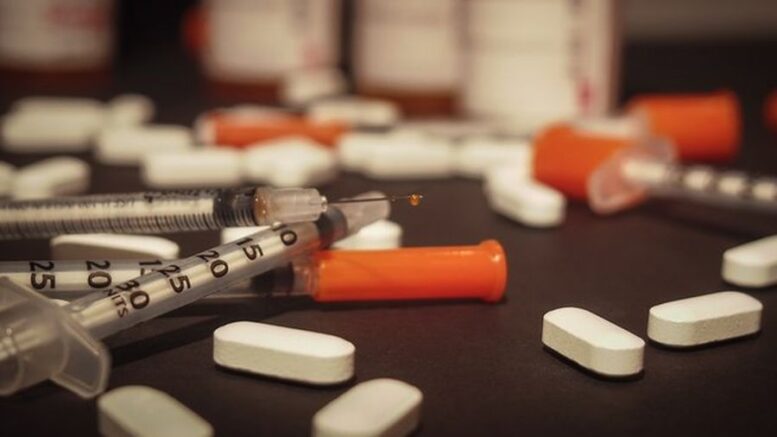
For more than a decade, Long Island – indeed, the entire nation – has battled an opioid crisis, with heroin and prescription-painkiller overdoses peaking in 2017. They fell steadily until last year, when COVID hit; that “only” 563 Long Islanders perished in 2019 due to entirely preventable overdoses wasn’t exactly a victory, but we had finally turned a corner.
Then came the anxiety, depression, uncertainty and economic woe associated with the pandemic, along with a disrupted drug supply and reduced capacity at rehabilitation centers. Combined, these factors drove overdose fatalities back up in 2020 – rising 34 percent year-over-year in Nassau and 12 percent in Suffolk.
The surest way to prevent an overdose is to avoid the use of drugs and alcohol, but stale prevention messages delivered to teens in old-school ways miss the mark. Herding kids into crowded auditoriums where guest speakers parrot 1980s “Just Say No” and fried-egg metaphors won’t change their behavior or keep them safe.
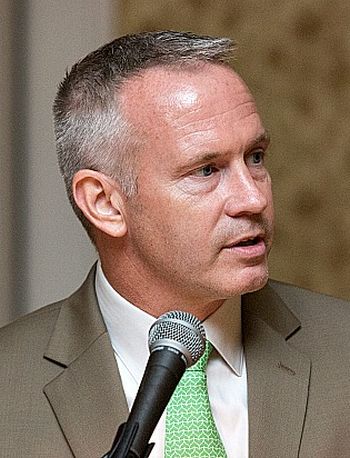
Jeffrey Reynolds: Old-school “Just Say No” messages no longer resonate with teens.
Age-appropriate conversations should start as early as kindergarten. Kids should be taught not explicitly about heroin, but about decision-making, peer pressure and stress management. It’s time to put aside morality and focus on biology – to help kids understand how their brains work and how different drugs impact their moods, their still-developing minds and their bodies.
And let’s take it to TikTok, Twitch and Clubhouse, and stop leaving it up to the schools to protect our sons and daughters from this disease.
For those who begin using drugs and are unable to stop, we should do more to keep them alive until they are ready for a treatment facility. Fentanyl is now killing more people than any other drug; dealers, unbeknownst to the user, are now adding counterfeit versions of the heavy-duty painkiller to heroin and cocaine and even pressing it into fake Xanax pills.
Test strips that can be used to quickly check drugs for added Fentanyl are available for about $1 on Amazon. Since the Biden Administration recently loosened federal funding restrictions, community-based organizations should be buying and distributing these life-savers by the truckload.
Powerful drugs require powerful antidotes. Now that the FDA has approved higher doses of Naloxone (a drug that reverses opioid overdoses), we have doubled down on our efforts to get the nasal spray into the hands of those who might need it – people picking up opioid painkiller prescriptions, leaving prison or bouncing in and out of treatment.
Once-popular naloxone trainings and distribution events all but stopped during the pandemic. While local organizations have held limited virtual trainings, forward-thinking communities like Sheboygan, Wis., are saving lives with wall-mounted boxes scattered throughout the community, stocked with grab-and-go naloxone.
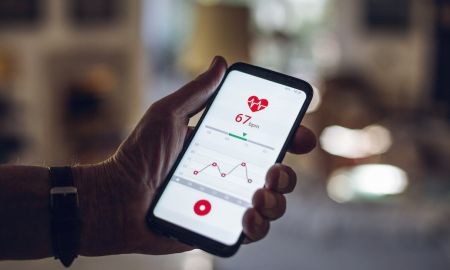
Palm balm: Prescription Digital Therapeutics show promise in the battle against drug-related fatalities.
Most opioid overdoses happen slowly and quietly at home, after people – often young people – use drugs by themselves and drift off to sleep, only to be discovered dead the next morning. COVID quarantines made it hard to follow overdose-prevention warnings about not using alone, but a new overdose support line takes callers’ first name, location and phone number and remains on the phone with them after they use, notifying local EMS if they stop responding. It’s a simple yet elegant idea, one the nation’s thousands of addiction-treatment hotlines should adopt.
The addiction-treatment landscape on Long Island has changed dramatically in the past few years, with an infusion of federal and state dollars that have fueled new inpatient, outpatient and mobile services combining quick access to medications that curb cravings with traditional talk therapy.
Tech companies like Pear Therapeutics, meanwhile, have won FDA approval for a new class of promising software-based treatments called Prescription Digital Therapeutics, which go beyond garden-variety apps to promote treatment engagement and prevent relapse.
As we await the development of vaccines for opioid use and other substance-use disorders, we know more about addiction and have more tools than ever before. That’s great, but first we have to keep people alive long enough to benefit from these advances.
Jeffrey Reynolds is the president and CEO of the Garden City-based Family and Children’s Association.