By STACEY SPATA //
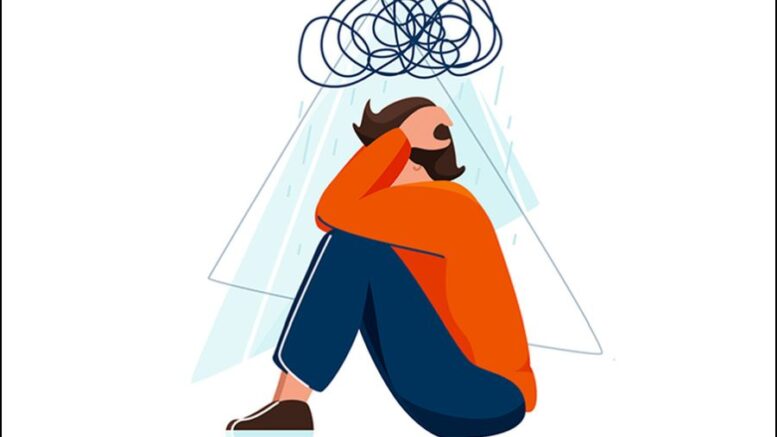
How are you doing today? Take a minute to ask yourself this question.
 As New York State restrictions are lifted, it feels like we may be on a path to return to a daily routine resembling life before the pandemic. Millions are receiving the vaccine, and the U.S. Centers for Disease Control and Prevention is easing guidelines.
But, as we prepare for another version of our new normal, we must take time to focus on the complete picture of the trauma we’ve all been through, including the mental health setbacks from the pandemic.
The rise of anxiety and depression, and the implications of social isolation, are alarming. Many of us have dealt with feeling more alone this past year, but how will that isolation impact us – individually and as a society – for years to come? As we navigate our path forward, we have a collective responsibility to keep our mental health and wellbeing at the forefront of our joint recovery.
Let’s start by looking at our youngest and most vulnerable population. According to the CDC, from April to October 2020, U.S. hospitals saw a 24 percent increase in mental-health emergency visits for children ages 5 to 11 and a 31 percent increase for children ages 12 to 17.
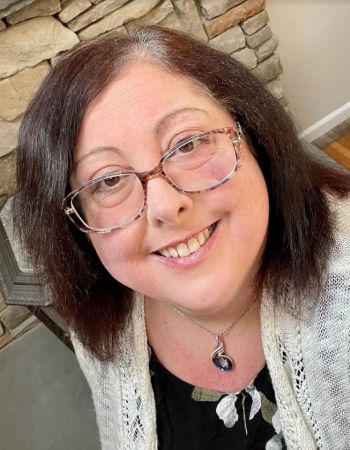
Stacey Spata: Emotional response.
Here on Long Island, our YMCA Family Services branch provides a comprehensive menu of treatment and prevention services promoting the emotional wellness of individuals, families and the community at large. Our social services and mental health team has personally dealt with the rise of children having suicidal ideation and plans; we are also seeing a tremendous amount of youth with anxiety about returning to school or other social settings, which will take time to resolve and may have an impact for years.
It’s important to remember that signs of anxiety and stress in children may be different than the signs we’re familiar with in adults. In younger populations, symptoms may include new stomach problems or behavioral issues that we might otherwise write off as typical temper tantrums. We need to help children learn healthy outlets to deal with their feelings and express themselves.
Students of all ages have experienced grief over missing out on important school rituals, from pre-K moving-up ceremonies to senior prom and graduation. These are important rites of passage. Other children have lost their sense of being a child and “acting their age,” forced into new responsibilities like caring for younger siblings, or teenagers working to help as parents struggle financially through the pandemic.
YMCA Family Services is working vigilantly with school districts across Long Island to address a new set of student needs, focused on the behavioral-health resources necessary to identify these challenges.
 Adults also have their share of new challenges; balancing career changes and home life while not missing a beat is not normal. Common side effects of burnout from the pandemic – trouble concentrating, fatigue, headaches – are often overlooked, but are signs from the body to pay attention and slow down.
Too often, adults turn to unhealthy coping mechanisms such as drugs or alcohol for temporary relief, but these habits can ultimately increase depression and financial troubles, and worse.
The best thing to do is take time for self-care and normalize exercise to help create those “feel good” endorphins and recover energy levels naturally. And therapy is a significant self-commitment anyone can make: Talk with someone about your feelings.
This month, the Y will use our platform to promote stress management and the value of exercise. Mental Health Awareness Month is a great time to think about how we can all help our greater community in the coming weeks and months – and to reassess our own mental health.
Our road ahead is long. The first step toward post-pandemic health is to self-analyze our mental wellbeing and address this question: How are you doing?
Stacey Spata, a licensed clinical social worker, is the executive director of the YMCA of Long Island’s YMCA Family Services.