By GREGORY ZELLER //
The big brains at the Feinstein Institutes for Medical Research are compiling an enormous summer, replete with breakthrough studies and millions of dollars in new research grants.
 On Wednesday, Northwell Health’s Manhasset-based global home of bioelectric medicine announced a new $1.3 million grant from the National Institutes of Health, earmarked for research into how the all-important vagus nerve – a major nerve network that controls inflammation throughout the body – transmits immune signals to the brain.
Principal investigator Eric Chang will monitor neural activity using novel calcium imaging technology, looking to unearth critical clues about how the immune system communicates with the brain.
“One major goal of our research is to understand how electrical signals, transmitted along nerves, are involved in regulating the functions of our organs in both health and disease,” noted Chang, an assistant professor in the Feinstein Institutes’ Institute of Bioelectronic Medicine.
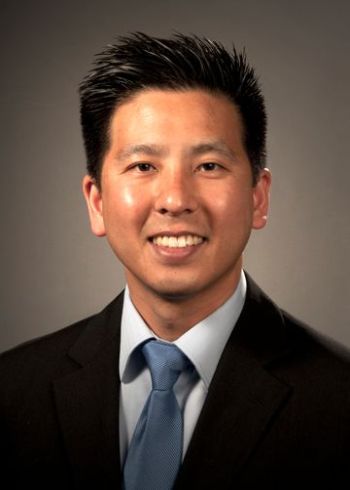
Eric Chang: Codebreaker.
“As we start to decipher the neural code of these signals, we can use this information to create devices that modulate the vagus nerve to control the immune response and to treat diseases,” Chang added.
This multi-year effort follows up an ambitious, five-year research mission that kicked off in May, when Feinstein Institutes President and CEO Kevin Tracey – hailed globally as the father of bioelectronic medicine – snagged a five-year, $3.7 million grant from the NIH’s National Institute of General Medical Sciences.
With Tracey as principal investigator, that wide-ranging program will dive even deeper into the molecular basis of bioelectronic medicine – the true heart of the matter, according to Tracey.
“The foundation of bioelectronic medicine is basic research in molecular biology, neuroscience and biomedical engineering,” the scientist noted in May. “The NIH support of this work is essential for translating our science into clinical studies.”
Tracey and his impressive Feinstein Institutes team are credited with several advances in treating disease, injuries and other medical conditions – including Crohn’s disease, rheumatoid arthritis and certain forms of paralysis – and regularly publish their breakthrough findings, including a new study published this week in the peer-reviewed journal Frontiers of Neuroscience.
This time around, researchers from the Institute of Bioelectronic Medicine – along with collaborators at the Texas-based Baylor College of Medicine and Washington University in St. Louis – report new understandings of brain signals related to movement and touch.
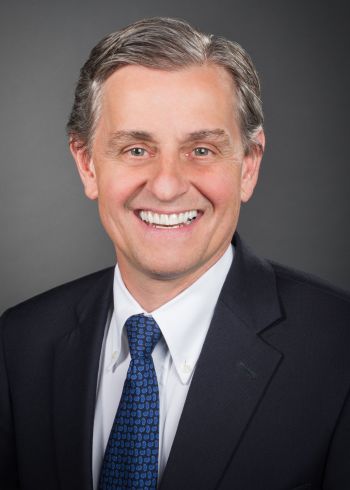
Kevin Tracey: Communicative.
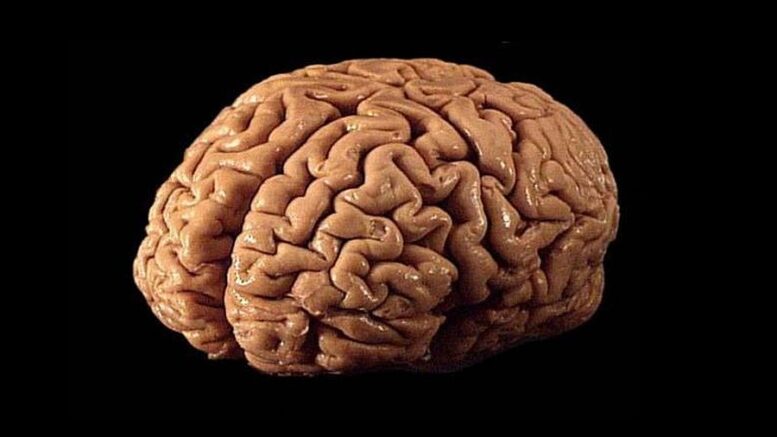
It’s a first-ever decoding of activity in the sulci (narrow fissures slicing through the brain) and subcortical region (located below the brain’s cortex), promising new understanding of precisely how the brain manages hand motions and processes tactile stimuli.
These findings – achieved via minimally invasive surgeries, in which three patients had electrodes implanted deep within their brains – may lead to new therapeutic methods to restore movement or the sense of touch to those who’ve lost them to injury or disease.
Feinstein Institutes Neurosurgeon Ashesh Mehta, an associate professor in the Institute of Bioelectronic Medicine and co-principal investigator of the brain-signal study, performed the procedures. Once the implants were in place, researchers asked the patients to perform simple tasks with their hands – then used brain-computer interface technology to identify and extract neural signals related to the hand movements.
“Whether from diabetes or a traumatic injury, millions of people are living without something many of us take for granted – the sense of touch,” said Institute of Bioelectronic Medicine Professor Chad Bouton, Northwell Health’s vice president of advanced engineering and the study’s co-principal investigator. “By observing these signals hidden deep within the brain, we are one step closer to restoring that sensation through stimulation and advances in the field of bioelectronic medicine.”
And bioelectronic stimulation is the name of the game, according to Tracey, who noted the hefty research grants and breakthrough research all point in one all-important direction.
“Using bioelectronic medicine approaches, including neural mapping and brain stimulation, researchers better understand how the brain communicates with the rest of the body,” the scientist said.